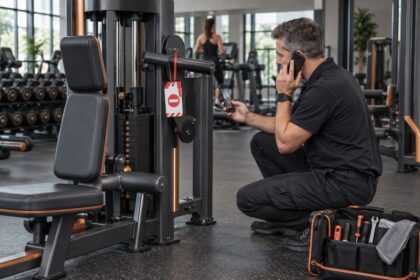


From the outside the trade looks like a product business, which is the single most expensive misreading available to anyone about to start a fitness equipment business. The catalog is the visible part. Stock, credit terms, freight, install labor and the phone call at seven on a Monday morning are the business.
- Month Zero: Dealer or Independent
- What a Territory Actually Grants
- Months One to Three: What It Costs to Start a Fitness Equipment Business
- Months Four to Six: Stock Becomes the Business
- The Working Capital Trap When You Start a Fitness Equipment Business
- Months Seven to Nine: Service Capability Is the Moat
- Months Ten to Twelve: The Second Sale
- What the First Year Consumes
- Five Decisions Before You Trade
- Questions People Ask Before Entering the Trade
- Do I need a dealer agreement to start a fitness equipment business?
- How much stock should a new entrant hold?
- Is it realistic to start a fitness equipment business without technical staff?
- What separates a supplier from a genuine partner?
- What the First Year Really Tests
What follows is a first year laid out in sequence, because the order in which these problems arrive is what catches people. Nothing here is a projection or a market figure. It is the shape of the year as operators who have done it describe it.
Month Zero: Dealer or Independent
The first decision is whether to sign with a manufacturer as an authorized dealer or to trade independently across brands. A dealer agreement buys credibility, parts access, training and often a defined territory. It also constrains what you can quote, at what price, and to whom.
Trading independently keeps the quote flexible and the margin conversation open. It also means no parts channel, no factory training, and a much harder answer when a prospect asks who backs the warranty. Neither route is wrong, but they produce different businesses and different cash profiles.
What a Territory Actually Grants
Read the territory clause before anything else in the agreement. Exclusivity is rarely absolute; most agreements carve out national accounts, existing relationships, and online sales into the region. A territory that looks generous on a map can be thin once those carve-outs are applied.
Ask what happens when a national chain opens a site inside your area, and get the answer in writing. This is the same diligence a buyer applies to a supplier, and the perspective in what local knowledge changes in an equipment deal reads usefully from the other side of the table.
Months One to Three: What It Costs to Start a Fitness Equipment Business
The early spend for anyone choosing to start a fitness equipment business is unglamorous. Vehicle or freight arrangements, a lift or a liftgate, basic install tooling, insurance, a parts float, and somewhere dry with a loading door. Most of it is not the equipment.
The line people underestimate is time. Quoting takes longer than expected, site surveys take a full half-day each, and the first three installs will run over because nothing about the buildings is standard. Anyone planning to start a fitness equipment business should assume the first quarter produces activity rather than revenue.
Months Four to Six: Stock Becomes the Business
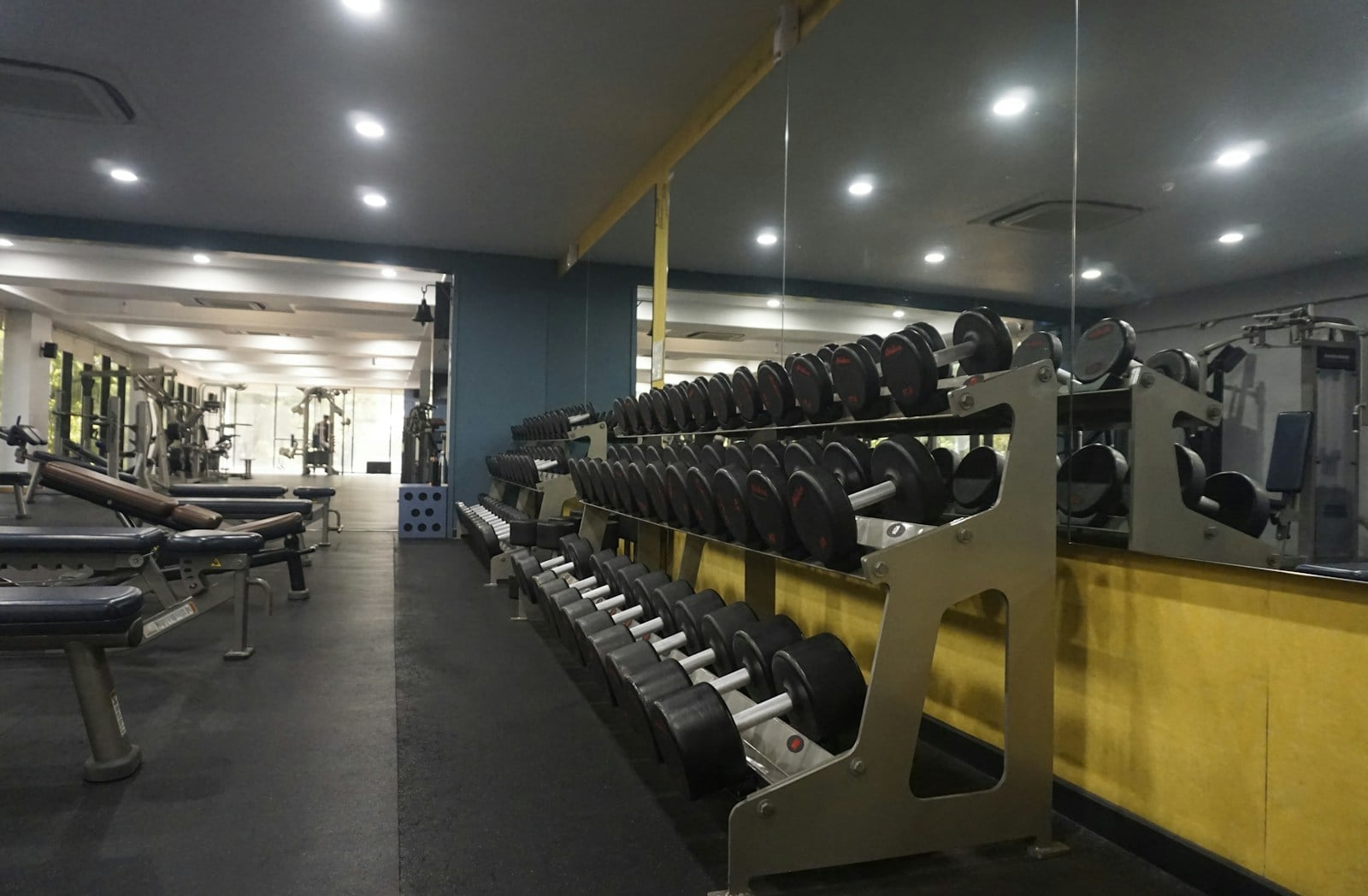
This is the quarter where the model reveals itself. Selling from stock wins deals, because a gym opening in six weeks cannot wait sixteen for a container. Holding stock also ties up capital in units that may sit for months, in a warehouse you are paying for.
The uncomfortable middle is where most start. A small held range on the fast movers, everything else on indent, and a constant judgment about which is which. Getting that mix wrong is the most common reason a first year runs out of room.
The Working Capital Trap When You Start a Fitness Equipment Business
Money leaves before it arrives, and the gap is structural rather than a sign of poor management. Suppliers want payment on or near shipment. Gym operators want thirty days, sometimes sixty, and a retention against punch list items. Freight and install labor are paid in between.
That gap widens with every deal you win, which is why growth can be more dangerous than a slow month. Anyone about to start a fitness equipment business should model the cash cycle deal by deal rather than by monthly totals, because the monthly view hides the trough.
Months Seven to Nine: Service Capability Is the Moat
Anyone can forward a quote. Far fewer can be on a broken treadmill the same week with the right part on the van. That capability is what converts a first sale into a supplier relationship, and it is the reason buyers pay a premium that a spreadsheet cannot justify.
Building it means parts stock, a trained engineer, and a call-handling process that does not depend on you personally answering. The expectations are set out plainly in what a supplier relationship owes after the sale, and meeting them is slower and more expensive than most entrants plan for.
It is also the only durable defense. Price gets matched, lead times equalize, and catalogs converge. Response capability does not travel easily, which is why it holds.
Months Ten to Twelve: The Second Sale
The first year of any attempt to start a fitness equipment business is judged on repeat business, not on the opening order. A club that buys once has tried you. A club that comes back for the second phase, the replacement treadmill, or the sister site has decided something about you.
What they decided usually happened during delivery week rather than during the pitch. The detail in the distribution work that begins when the truck arrives is what buyers remember, and it is where a new business either earns a reference or quietly loses one.
What the First Year Consumes
The table sets the two routes against each other on the lines that actually absorb resource in year one. Use it to decide which kind of business you are building before signing anything.
| Line | Authorized dealer route | Independent route | Most often underestimated |
|---|---|---|---|
| Brand credibility | Granted by the agreement | Built deal by deal | How long the independent build takes |
| Parts access | Factory channel | Open market and third party | Lead time on non-stocked parts |
| Stock commitment | Often a minimum | Your own judgment | Capital sitting still in the warehouse |
| Pricing freedom | Constrained | Open | Margin lost to matching, not to discounting |
| Territory protection | Defined, with carve-outs | None | National accounts inside your area |
| Warranty position | Backed by the manufacturer | You explain it every time | Time spent on the warranty conversation |
| Service obligation | Contractual | Optional but decisive | Cost of an engineer before volume supports one |
| Cash cycle | Supplier terms may help | Usually pay before you are paid | The trough that widens as you grow |
Five Decisions Before You Trade
Before committing capital, run these five checks. They cost time rather than money and they change the plan more often than not.
- Price the cash cycle on one real deal. Take a plausible order and write down every date money moves, in and out. The trough between those dates is your minimum working capital, not your monthly profit.
- Read the territory clause with the carve-outs applied. Redraw the map excluding national accounts and existing relationships. Decide whether what remains supports the business you intend.
- Decide your service answer before your first quote. Who attends, within how long, with what on the van. If you cannot answer, you are a broker, and buyers will price you as one.
- Separate warranty from service contract in writing. The FTC’s plain-language guidance on written and implied warranties is the right basis for language that will not create obligations you cannot meet.
- Choose your held range deliberately. Name the units you will stock and the reason each earns the space. Everything else goes on indent until demand proves otherwise.
Questions People Ask Before Entering the Trade
Do I need a dealer agreement to start a fitness equipment business?
No, but you need an answer to the questions a dealership would have answered for you: where parts come from, who backs the warranty, and who attends a breakdown. Independents succeed when those answers are concrete. They struggle when the answer is that it depends on the brand.
How much stock should a new entrant hold?
Less than instinct suggests, and only on units that repeat. Held stock wins the deals where a club is opening on a fixed date, which is a narrow but valuable slice. Everything else can go on indent while you learn which models your market actually repeats on.
Is it realistic to start a fitness equipment business without technical staff?
For a first few months, yes, using subcontracted engineers. As a permanent structure it caps the business, because subcontract response is slower and the quality is not yours to control. The point at which you hire is usually earlier than the revenue appears to justify.
What separates a supplier from a genuine partner?
Behavior after the invoice clears, and consistency when something goes wrong. The distinction is drawn carefully in the difference between a seller and a genuine equipment partner. Product standards work is another marker of seriousness, and the ASTM subcommittee on fitness products is where that work sits.
What the First Year Really Tests
The trade rewards patience with cash and speed with problems. People who start a fitness equipment business and last are usually the ones who under-promised on lead times, over-invested in parts, and answered the phone on the bad days. The catalog is the easy part. Everything that makes the catalog worth buying happens after the order is signed.