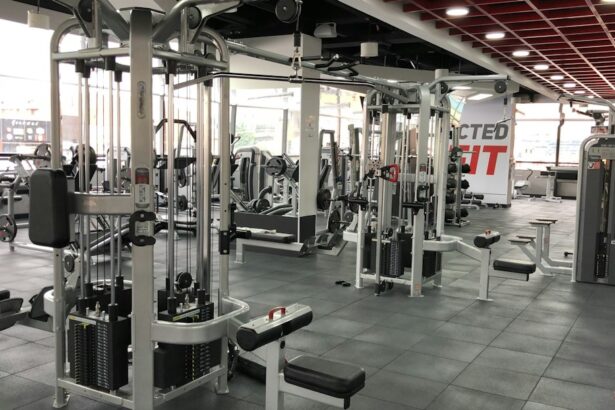
A Cable Stack Ships With Money Held Back. The Warranty Reserve Priced Its Weak Part.
The money a factory sets aside against future failures is a forecast of its own weak parts. Here is how to read that forecast from the buyer's side of the table, before the order ships.


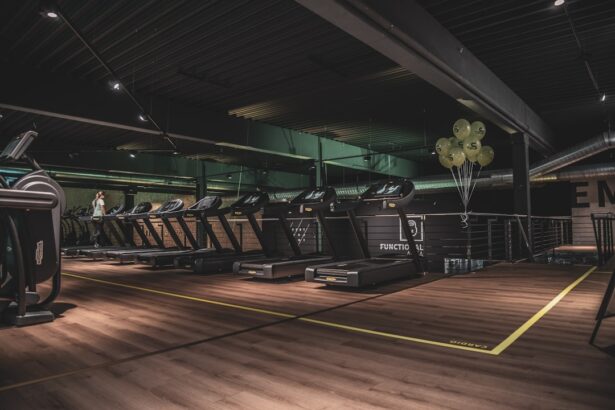
A Ten-Year-Old Stepmill Got a New Console. The Second Retrofit Ended It.
Upgrade kits look like cheap capital until the second one lands on the same frame. Three gates, a threshold table and the point where a retrofit stops being an alternative to replacement.

A Cable Station’s Pop Pin Held a Loaded Carriage Overhead. Nine Times It Did Not.
A quick-release pin is the smallest part on an adjustable machine and the only thing between a loaded carriage and the floor. Six ways it fails, and what to check on each.

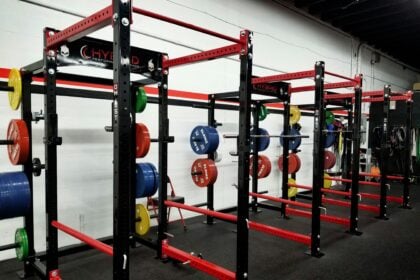
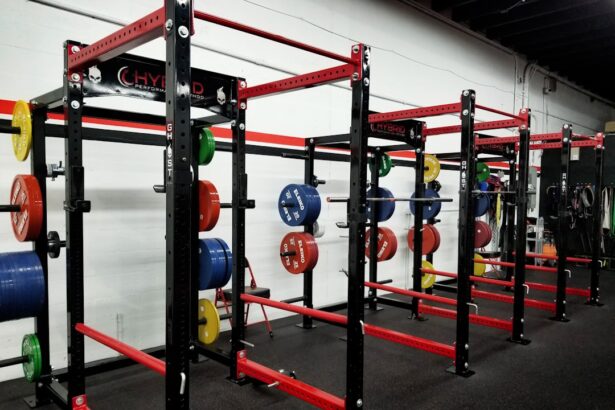
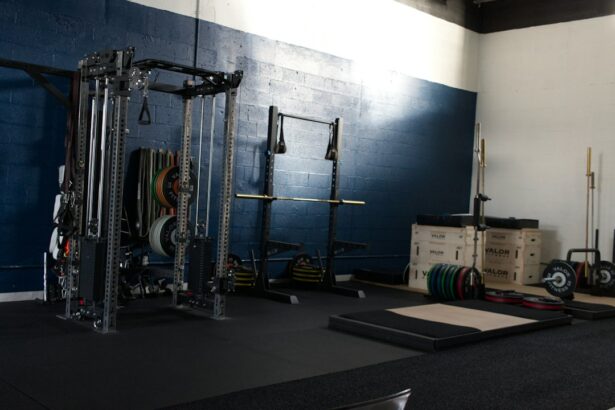
A Squat Rack Lost Its Finish in Nine Months. The Oven Never Ran Hot Enough.
Chipped uprights and rusting dumbbell cradles are usually process defects rather than member abuse. Six checkpoints between pretreatment and cure decide whether a finish survives a commercial floor.

Urethane Plates Arrive Looking Identical to Rubber. The Insert Decides the Difference.
The jacket material gets the attention and the marketing budget. The steel insert and its bond to the hub decide whether a plate survives five years of dropped sets or cracks inside eighteen months.

A Van Carried Six Kettlebells and a Sled. The Payload Sticker Settled the Rest.
Load-outs fail on arithmetic, not ambition: payload, lift count, and how many sessions a piece survives before it stops looking professional. The vehicle sets the ceiling on all three.