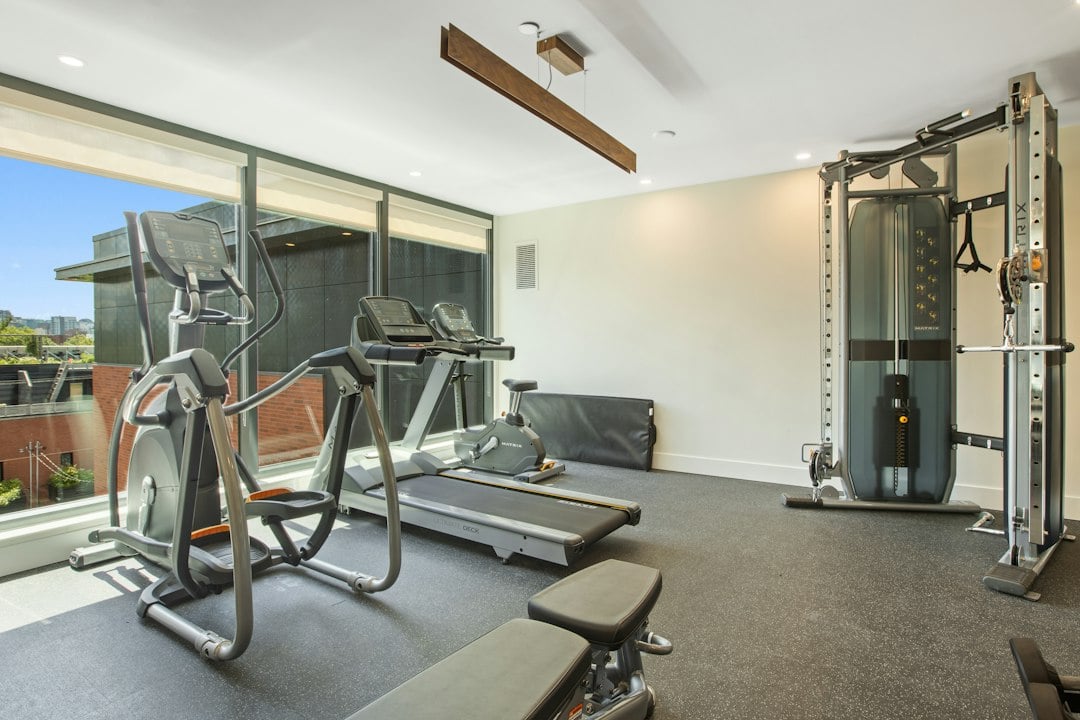

For: service managers, dealers and facility operators
The decision: How should a missing or damaged guard be handled before a machine returns to use?
60-second answer: Remove a machine from use when a required guard is missing or damaged. Identify the exact model, obtain the manufacturer’s instructions and document qualified repair and release.
A replacement shroud is only useful when the service record connects it to the right machine and a completed repair.
Establish what belongs on this machine
A missing panel should trigger a model-specific review. Machines have different guarding designs, and a photograph of another product is not a parts specification. Record the model, serial number and configuration, then compare the unit with its current owner and service documentation. Ask the manufacturer to resolve unclear or discontinued parts before ordering a substitute.
When a required guard is absent, damaged or interferes with moving components, keep the unit unavailable under the facility’s isolation procedure. A handwritten warning is not a replacement for the guard. Do not let a service backlog quietly become permission to use the machine.
| Stage | Evidence to retain | Release condition |
|---|---|---|
| Identify | Asset ID, serial photo, affected area and relevant manual page | The manufacturer or qualified technician identifies the required assembly |
| Contain | Out-of-service record, location and responsible person | Members cannot resume use during the repair |
| Order | Approved part number, hardware and configuration compatibility | A matching component is available; no improvised substitute |
| Repair | Technician, date, work order and specified checks | Repair and functional checks are completed under the applicable instructions |
| Close | Completed service record and release authorization | The facility receives a documented handoff |
Count the delay, not just the panel
Track the days lost between identification, diagnosis, part order, receipt and repair. These are different causes of downtime. A part sitting in a warehouse will not shorten downtime if no one owns installation. Include travel, labor and repeat visits in the service cost record; keep warranty reimbursement separate from the actual cost.
Do not classify every shroud as cosmetic. The part’s safety function and the manufacturer’s requirements determine how it is handled. Equally, do not assume every selectorized machine must have the same enclosure arrangement.
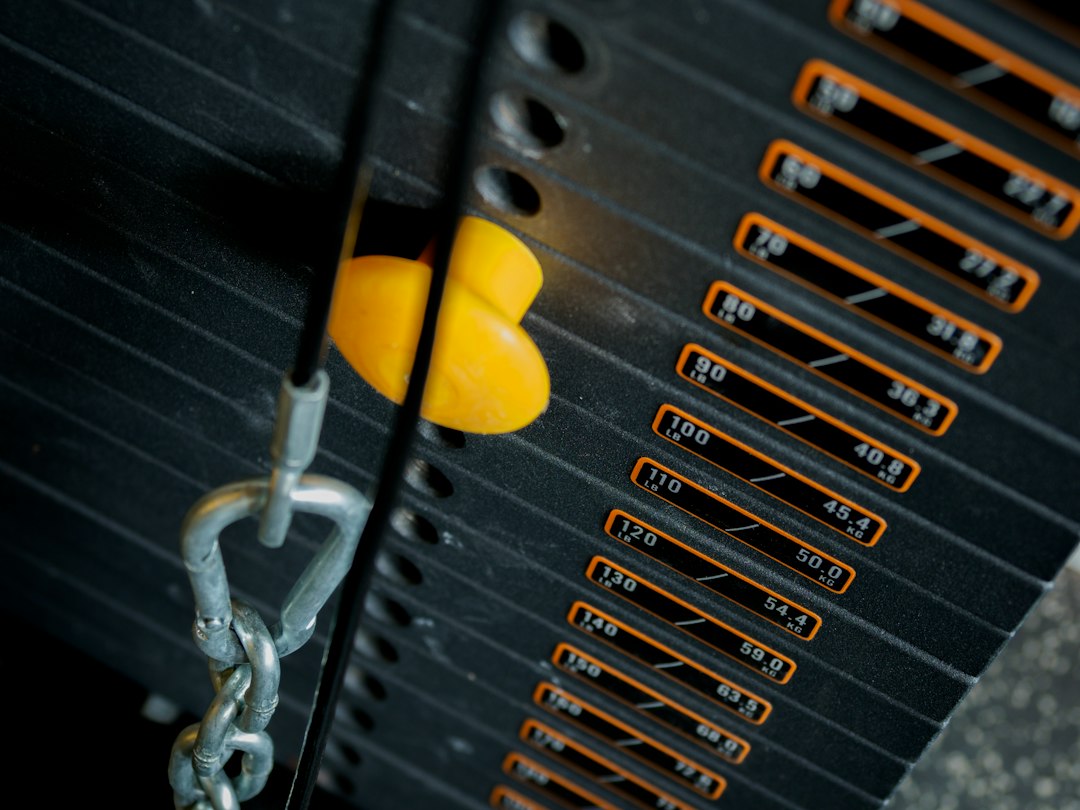
Records to pull
Pull the asset register, current manuals, open safety work orders, parts orders, technician availability and the latest repair history. Match each item by serial number rather than by a broad product-family name.
Questions to resolve
- Which guard and hardware are specified for this serial range?
- Is the replacement approved for this configuration?
- Who will perform and sign off the return-to-service checks?
What to do this week
- Review open guard-related tickets and keep unresolved affected machines unavailable.
- Match pending parts to asset IDs and assign installation owners.
- Record repair completion and authorized release in the same work order.
Related FEX resources
FEX editorial analysis: the operating framework above is a recommendation, not a manufacturer specification or an industry benchmark.
Sources and scope
- Life Fitness manuals and resources — An example of a manufacturer documentation route; use the maker and model actually installed.
Editorial update, October 7, 2026: Replaced an unverified incident narrative and generalized insurance conclusions with a model-specific service workflow.