

For: dealer principals, purchasing managers and finance teams
The decision: Will an additional purchase improve the expected commercial result after inventory costs?
60-second answer: Model the exact rebate terms and compare the incremental benefit with the cost and risk of buying forward. A higher tier is valuable only when the extra commitment produces a better result than the alternative.
Translate the agreement into a calculation
Pull the current program, eligible invoice detail, returns and credits, supplier balance, account standing and prior settlements. Determine whether the tier is retroactive across qualifying volume or applies only to an incremental band. Record whether qualification follows ordering, shipment, invoicing, receipt or payment. These are contract variables, not industry defaults.
Keep an expected commercial payout distinct from the accounting amount recognized. Finance should determine recognition and inventory treatment under the applicable policy. The previous claim that all rebates are recognized in one annual lump was incorrect as a general rule.
| Input | Evidence | Sensitivity to test |
|---|---|---|
| Eligible base | Included SKUs and net qualifying transactions | Returns, exclusions and timing changes |
| Tier calculation | Retroactive or incremental rate schedule | Result just above and below each relevant threshold |
| Conditions | Payment status, deadlines and other requirements | What could reduce or forfeit entitlement? |
| Settlement | Expected date, credit or cash terms | Cash availability versus a future purchasing credit |
| Extra order | Landed cost, demand and stock already held | No additional sales, slower sale or markdown |
Test a proposed buy-forward order
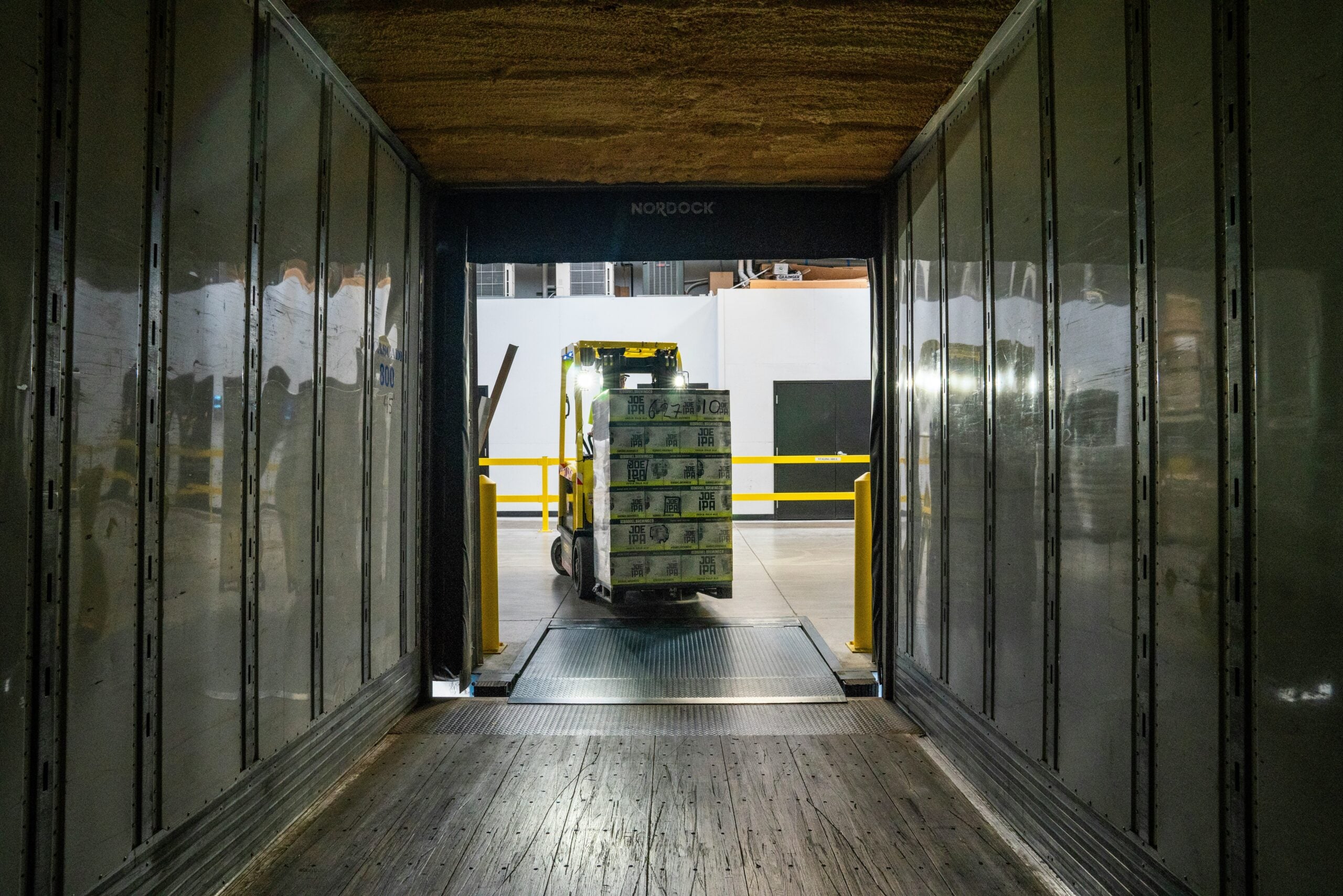
Calculate the rebate under the existing forecast and again with the proposed order, using the same program rules. The difference is the incremental rebate benefit. Compare it with financing or capital cost, storage, handling, obsolescence and expected markdown exposure caused by the extra stock. Estimate those costs from your own records and show uncertain inputs as scenarios.
Also ask when the goods would otherwise have been purchased. Advancing a committed customer order is different from filling the warehouse with speculative units. A paper rebate gain can coincide with a cash shortfall, especially if the supplier settles later or only by credit.
- Which transaction date actually qualifies the volume?
- Can a later return change a prior tier or settlement?
- Are freight, parts, closeouts or special prices included?
- What happens if the account has a disputed or overdue invoice?
- Can the supplier confirm the forecast without treating it as a guaranteed payout?
Avoid managing the sales desk to an unearned tier
Report the base forecast, possible upside and conditions separately. Do not use an uncertain rebate to justify every marginal quote. If product-level margin reporting allocates rebate income, document the basis and reconcile it to actual settlement so the same benefit is not counted twice.
Broader sporting-goods growth is not an appropriate automatic target for a dealer rebate plan. The meaningful comparison is the account’s eligible categories, territory and committed demand. A new product launch can change purchasing choices, but it does not establish the economics of switching volume.
At the next purchasing review
- Reconcile qualifying volume with the supplier statement.
- Model each proposed extra order with and without the tier change.
- Approve only the commitment whose expected benefit and cash exposure are understood.
Continue with FEX
FEX editorial guidance: the decision tools and operating recommendations in this guide are FEX analysis. They are not manufacturer specifications, contractual entitlements or industry benchmarks.
Editorial update, October 7, 2026: Corrected the blanket accounting-recognition claim and removed unrelated launch and industry-growth figures from the rebate decision; no supplier payout is assumed.