
For: dealers, manufacturers and commercial purchasing teams
The decision: What evidence supports the treated-surface claim in the proposal?
60-second answer: Establish whether the claim concerns protection of the material or protection of people. Obtain the exact wording, supporting evidence and regulatory basis. Do not turn a material-preservation claim into a promise of infection protection.
Identify what is being protected
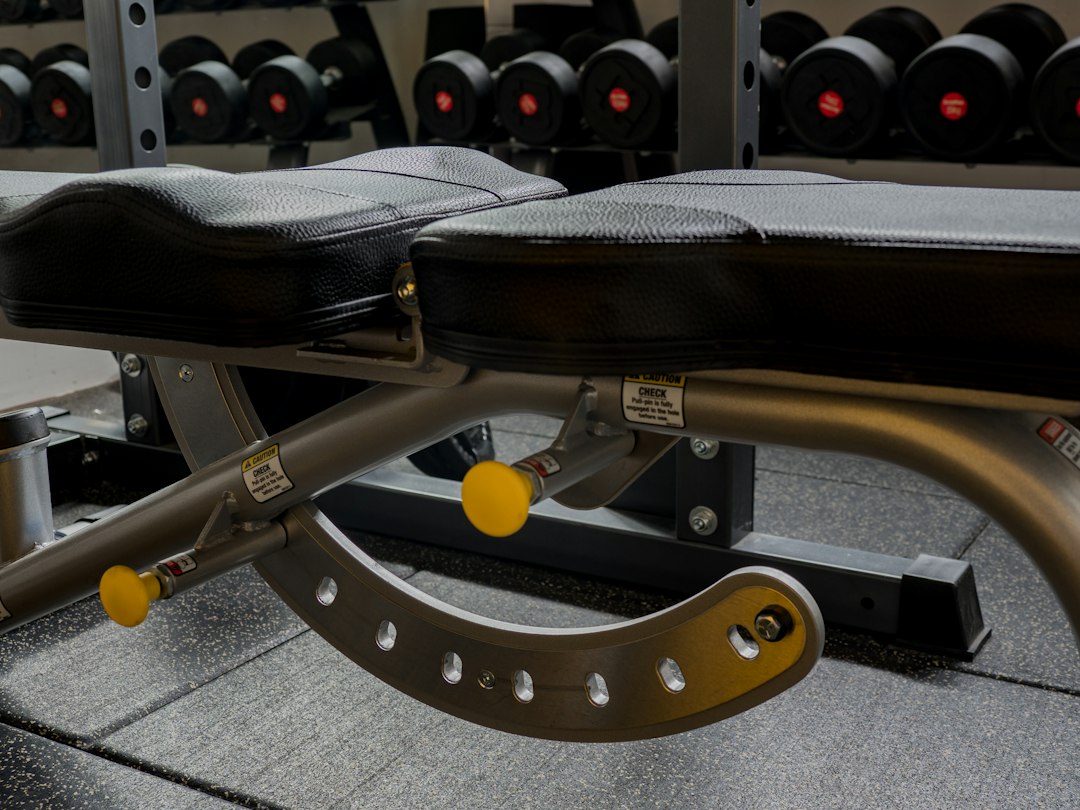
A treated bench pad may be marketed for preservation of the pad itself. That does not establish that it protects the person using the machine. Keep that distinction clear from the supplier’s technical sheet through the dealer’s website, proposal and showroom conversation.
The EPA’s guidance on pesticide-treated products explains that the treated-articles exemption is limited to protection of the article itself, with conditions on treatment and claims. Public-health claims require a different regulatory basis. An additive alone does not establish that the finished pad may be advertised as protecting members from disease.
| Claim or document | Ask for | Sales decision |
|---|---|---|
| General antimicrobial wording | Exact supported wording, what is protected and regulatory basis | Keep scope explicit; infer no health benefit. |
| Protection against named pathogens | Applicable registration or other valid basis and authorized labeling | Hold for qualified regulatory review. |
| Odor or material preservation | Evidence for that precise claim on the supplied material | Use only the supported conditions. |
| Performance after cleaning | Method, agents, exposure conditions and results | Do not promise durability beyond the evidence. |
| Treatment warranty | Duration, exclusions and remedy | Explain the actual remedy. |
| Product identity | Material code, model and document revision | Match the evidence to what is delivered. |
Separate a test result from an outcome in a gym
A laboratory report has defined conditions. Ask which material was tested, which organisms were included and whether the result applies after the expected cleaning and abrasion. Do not replace those details with an unqualified promise of protection.
Flag wording that suggests users can clean less, avoid infection or receive permanent protection. Request evidence and an approved claim. Whether wording is permissible depends on the product and the complete statement; changing one adjective does not settle the issue.
Keep cleaning instructions attached to the specification
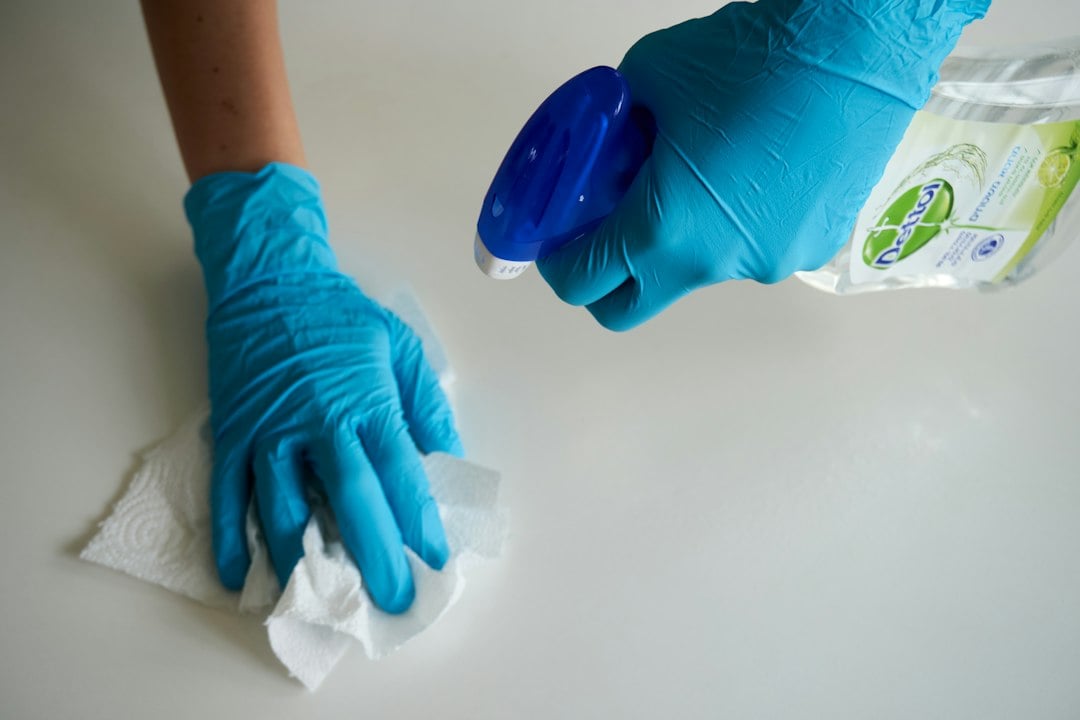
Obtain the equipment manufacturer’s care guidance and the treatment supplier’s compatibility evidence. Reconcile these with the facility’s cleaning products and procedures. A treated material does not justify ignoring a disinfectant’s label or using an untested chemical. Any change in facility hygiene practice needs its own justification.
- Save the exact supported claim and required qualifications.
- Identify the model and material covered by the evidence.
- Retain test information and applicable regulatory documents.
- Record care limitations, replacement options and warranty remedy.
- Keep both the original supplier documents and the final customer wording.
If a claim cannot be substantiated, evaluate the equipment on its other documented properties. The workflow is FEX guidance for evidence review, not a compliance determination about any supplier.
What to do this week
- Collect current claim sheets for treated upholstery options.
- Compare proposal and website wording with the supported scope.
- Escalate health-protection language for qualified review.
- Save the approved wording and care requirements.
For maintenance planning, see equipment cleaning and surface damage.