
For: equipment dealers, service companies and commercial buyers
The decision: Which pulldown station provides the right fit and support for the intended floor?
60-second answer: Evaluate the actual adjustment range, user trial, stated resistance and service documentation. Equal stack labels do not by themselves establish equal buying value.
A station has to fit the person using it and the technician who will maintain it.
Test the complete user setup
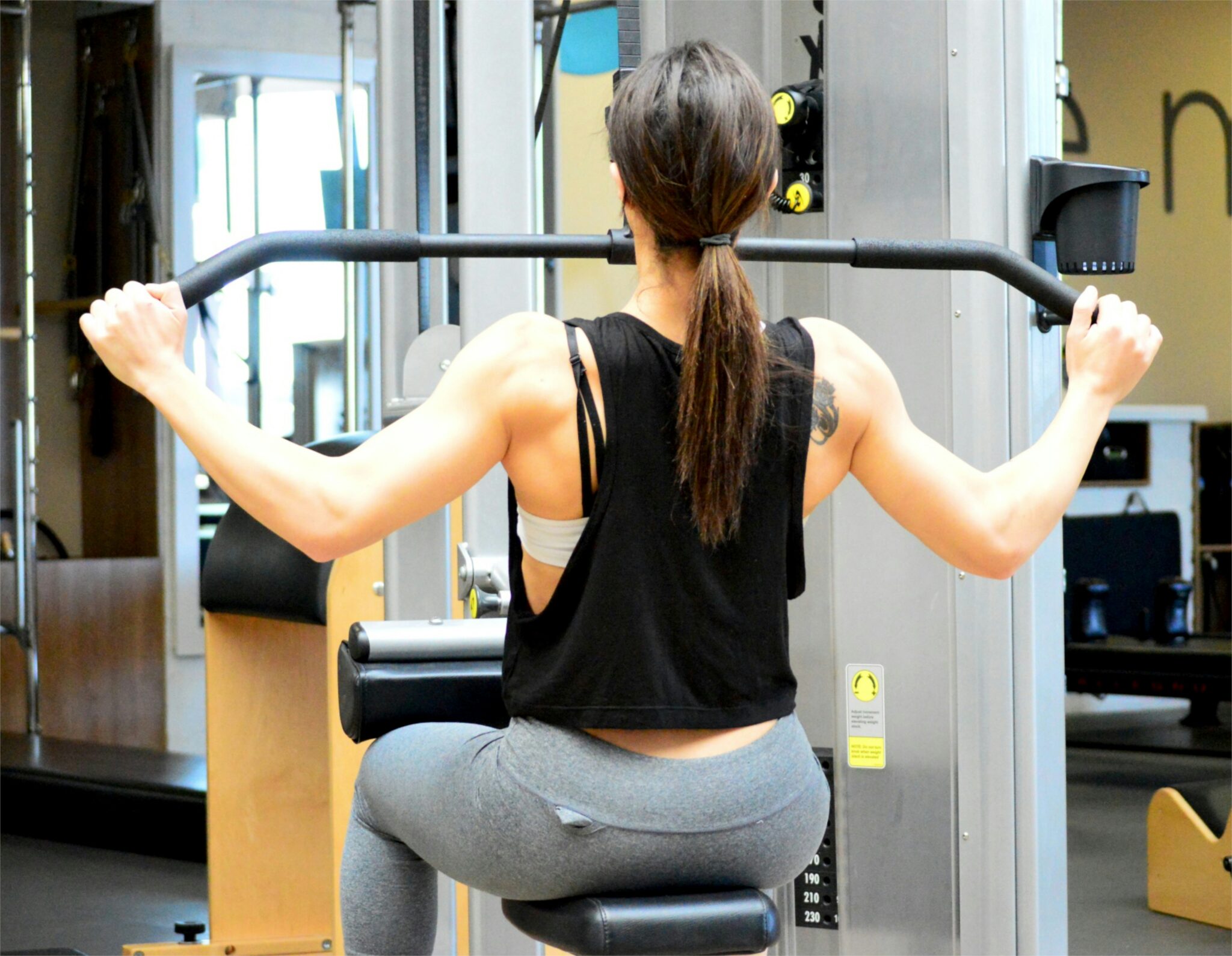
Ask qualified staff to evaluate seat position, thigh-pad adjustment, reach to the attachment and the intended exercise within the manufacturer’s instructions. Include representative users. Record specific limitations rather than a general “comfortable” score that gives the purchasing team little to act on.
Clarify what the advertised stack weight represents. Request the manufacturer’s explanation of the cable arrangement and stated resistance. Avoid assuming that two products with the same stack label provide the same force, increments or range of movement. Compare like-defined specifications in the quotation.
| Area | Evidence | Question it answers |
|---|---|---|
| Fit and adjustment | Supervised user trial and adjustment specifications | Can the intended users set up appropriately? |
| Resistance | Supplier’s definitions and model documentation | Are the quoted values comparable? |
| Attachments | Approved attachment list and included components | Does the price include the intended setup? |
| Service access | Manual, cable routing and technician review | Can required work be performed in the proposed location? |
| Parts and warranty | Exact part numbers, availability and commercial-use terms | Who supports the machine after installation? |
Ask a technician to review the quote
Have the service team identify routine inspection points, wear parts and any access restrictions before the order is final. Confirm the correct cable assembly and revision for the machine. A cable described only by length is not evidence that it is an approved replacement.
Do not infer a service life from the presence of a particular bushing material or the thickness of a visible upright. Those observations can inform questions, but they are not a substitute for testing, manufacturer documentation or the dealer’s own comparable service history. Avoid unsupported year-by-year cost forecasts.
Compare delivered and installed cost, staff orientation, planned maintenance and service travel on the same basis. Where the buyer is replacing a familiar station, record which features users value and which complaints the new unit must solve. A larger stack does not necessarily address a poor thigh-pad fit or difficult adjustment.

Records to pull
Pull current user complaints, usage observations, shortlisted manuals, exact attachments, parts quotations and service records for genuinely comparable models. Separate observed costs from estimates.
Questions to resolve
- What does the stack rating mean at the user interface?
- Which cable and adjustment components fit this exact model revision?
- What access and maintenance conditions must the buyer provide?
What to do this week
- Run a consistent supervised trial across shortlisted stations.
- Ask service staff to review access and parts before the order.
- Compare complete installed quotes with exclusions visible.
Related FEX resources
FEX editorial analysis: the operating framework above is a recommendation, not a manufacturer specification or an industry benchmark.
Sources and scope
- Manufacturer manual resources — Use exact-model documentation from the relevant manufacturer for the assessment.
Editorial update, October 7, 2026: Removed unsupported material rankings and predicted service-life outcomes.