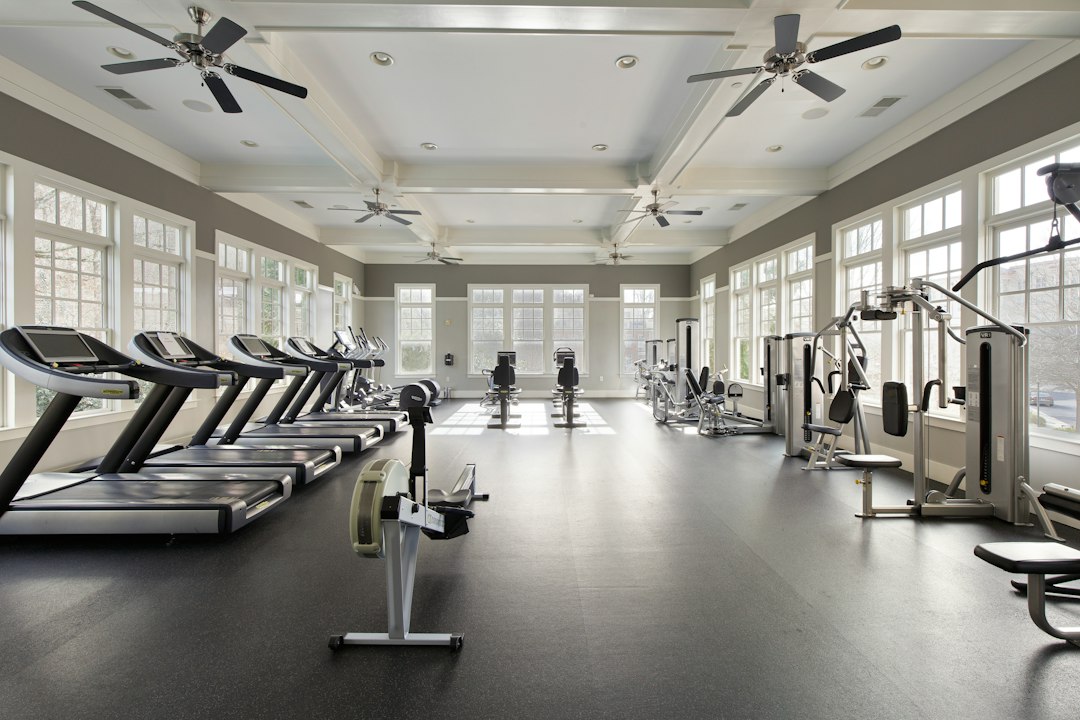

The room measures out at four usable machine positions once the door swing and the mirror wall are honored, and hotel gym equipment packages are still routinely specified for seven.
- Four Machines, Seven Positions
- The Owner: Capital Tied to a Renovation Cycle
- The Brand: A Standard That Names Categories, Not Models
- The Management Company: Whoever Signs Is Not Whoever Calls
- The Guest: A Member Somewhere Else
- Where Hotel Gym Equipment Orders Actually Come From
- Specifying Hotel Gym Equipment for an Unstaffed Room
- Reading the Segment Against the Category Data
- Winning a Hospitality Package
- Questions Distributors Ask About the Hospitality Segment
- Is hotel gym equipment a lower margin sale than club business
- Who actually pays for the equipment in a franchised property
- Should a hospitality package use commercial or light-commercial machines
- How long does hotel gym equipment stay on the floor
- What the Segment Rewards
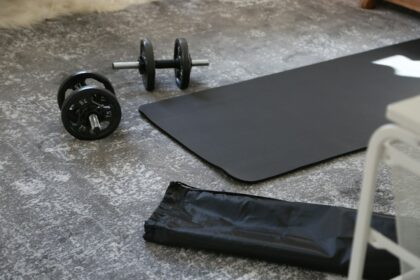
Two treadmills sit nose to tail against the window, an elliptical occupies the corner where the ramp cannot fully extend, and a short dumbbell run blocks the only clear path to the towel station. Everything in the room was bought correctly. Nothing in it was placed correctly.
Four Machines, Seven Positions
Hospitality is the segment most likely to buy hotel gym equipment that does not fit, because the people specifying it are rarely the people who will stand in the room. A design package, a brand guideline and a purchasing agent can complete a fitness room without anyone measuring a ramp at full extension.
This is the defining characteristic of the segment. Hotel gym equipment is bought through a chain of parties, each optimizing something different, and the machine on the floor is the residue of that process rather than anyone’s decision.
The Owner: Capital Tied to a Renovation Cycle
Hotel owners do not replace hotel gym equipment when it wears out. They replace it when the property comes up for a scheduled renovation, which means a machine may be replaced early in perfect condition or run years past its service life.
That single fact separates the segment from club buying entirely. A club decides between a batch and a staged purchase on its own evidence, in the way a cardio fleet refresh is timed against hours and closure windows. A hotel decides when the renovation budget opens.
The Brand: A Standard That Names Categories, Not Models
Brand standards for franchised and managed properties typically specify categories and minimum counts rather than named models. A property may be required to provide cardio and strength options at a stated count for its room size and key count.
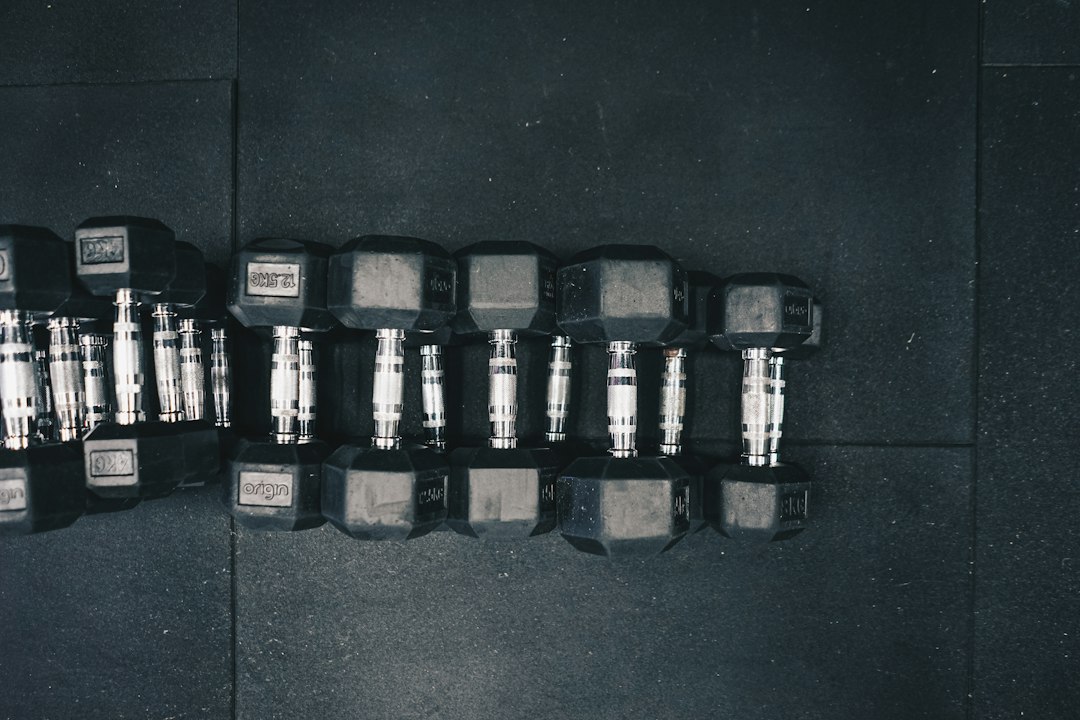
For a distributor that is an opening rather than a constraint. Where the standard names a category, the specification is winnable on footprint, service coverage and lead time instead of on brand.
The Management Company: Whoever Signs Is Not Whoever Calls
The purchase order may come from an ownership group, a management company or a procurement service. The service call comes from a front desk manager at eleven at night who has no idea who bought the machine.
Suppliers who win repeat hotel gym equipment business solve that gap explicitly. A label on every unit with a service number and an asset ID turns an unanswerable call into a dispatch, and it is the cheapest differentiator available in the segment.
The room is also unstaffed for almost all of its operating hours, which changes the risk profile the way it does in residential amenity space, covered in what a 400-square-foot unstaffed room can actually hold.
The Guest: A Member Somewhere Else
The guest using the room is disproportionately likely to belong to a club at home, and arrives with expectations formed there. The Health and Fitness Association reported in its 2026 US Health and Fitness Consumer Report, published April 9, 2026, that a record 81 million Americans belonged to a gym, studio or other fitness facility, representing 26.1 percent of the US population aged six and older, alongside a decade-low industry churn rate.
That is the standard hotel gym equipment is judged against, fairly or not. A guest who trains four times a week at home notices a console generation behind and a dumbbell run that stops at fifty pounds.
Where Hotel Gym Equipment Orders Actually Come From
Orders reach distributors through four routes: a renovation package specified by a design firm, a brand-mandated refresh at a property transition, a replacement after a failure that could not be repaired, and a conversion when a property changes flag.
Only the third route behaves like a normal equipment sale. The other three are calendar events, which means the distributor who tracks property transitions and renovation schedules in a market sees the order before the request for quote exists.
Renovation timing also creates a short-term equipment need that most suppliers ignore, since a property closing its fitness room for six weeks is a natural customer for a short-term equipment rental fleet.
Specifying Hotel Gym Equipment for an Unstaffed Room
Hotel gym equipment is filtered by supervision and footprint long before it is judged on quality. The table below is the filter worth applying before a package is quoted.
| Category | Fit for an unstaffed room | Footprint and access issue | Service exposure | Verdict |
|---|---|---|---|---|
| Treadmill | Strong, familiar to every guest | Requires clearance behind the deck | Highest in the room | Specify first, in pairs |
| Upright or recumbent bike | Strong, lowest misuse risk | Compact, tolerates tight placement | Low | Specify, good value per position |
| Elliptical | Good, but bulky | Ramp travel is routinely underestimated | Moderate, ramp and roller wear | Specify only if the plan measures true |
| Rower | Mixed, technique-dependent | Needs length that small rooms lack | Rail and chain damage from misuse | Skip unless the room is generous |
| Functional trainer | Weak without supervision | Large clear zone on two sides | Cable wear from uncontrolled returns | Skip in standard rooms |
| Selectorized station | Good, self-explanatory movement | One station consumes a full position | Low if pin and stack are enclosed | Specify one, chest or leg |
| Fixed dumbbells | Strong, the highest use per square foot | Needs a clear approach lane | Very low | Specify a short run with a tree |
| Bench and barbell | Weak, liability without spotting | Requires a drop zone the room lacks | Low mechanically, high in risk terms | Skip in unstaffed rooms |
Accessibility runs underneath all of it. Clear floor space next to a machine is a specification item rather than a courtesy, and the placement logic in how one clear floor space can serve two machines recovers positions a naive layout wastes.
Reading the Segment Against the Category Data
Hospitality sits inside the institutional side of the equipment market, and that side has been the stronger one. SFIA reported in its 2026 Manufacturers’ Sales by Category Report, published March 31, 2026, that wholesale sporting goods sales reached $130 billion in 2025, up 3.7 percent year over year, with institutional fitness equipment showing broad-based growth while portions of the consumer and home equipment segment declined.
Hotel gym equipment belongs to the growing half of that split. It is also the half where lead times tighten first, which makes early engagement with renovation schedules a supply advantage rather than a sales tactic.
Winning a Hospitality Package
- Measure the room before quoting it. Door swing, ramp travel at full extension, mirror walls and the towel station. A package that fits the drawing and not the room becomes a change order at your expense.
- Quote to the brand category, not the model. Where a standard names categories and counts, compete on footprint, lead time and service coverage rather than trying to displace a named machine.
- Label every unit for the front desk. Asset ID and a service number on the frame. The person who reports the fault is never the person who signed the order.
- Track transitions and renovation calendars. Property sales, flag changes and scheduled refurbishments are the actual demand signal in this segment, and they are public long before a quote request appears.
- Offer the interim room. A rental package covering a six-week closure keeps the relationship warm and frequently decides who gets specified for the permanent order.
Questions Distributors Ask About the Hospitality Segment
Is hotel gym equipment a lower margin sale than club business
Usually on the unit, often not on the account. Volumes per property are small and specifications are price-sensitive, but a management company with thirty properties buys on a rolling renovation calendar. The margin lives in repeat placement and service coverage rather than in the first package.
Who actually pays for the equipment in a franchised property
The property owner, in nearly all cases, even where the brand sets the standard and the management company runs the purchase. That matters because the owner is the one weighing this spend against guest rooms and roofing, which explains the timing far better than any wear argument.
Should a hospitality package use commercial or light-commercial machines
Commercial, with few exceptions. Usage hours per machine are low but supervision is zero and misuse is common, so the failure mode is abuse rather than accumulated mileage. Light-commercial units also carry warranty terms that often exclude this application entirely.
How long does hotel gym equipment stay on the floor
Until the next renovation, which is the honest answer and the reason the segment frustrates suppliers. Machines are replaced on a property calendar rather than on condition, so a well-maintained unit may run long past a club equivalent while a lightly used one leaves early.
What the Segment Rewards
The hotel gym equipment segment does not reward the best machine. It rewards the supplier who measured the room, quoted the category the brand standard actually named, labeled the frame for a front desk manager and knew the renovation date before the request for quote existed. Those four habits convert a small, fragmented, calendar-driven segment into a repeating order book. The equipment decision is almost never the hard part here.