
The OSHA heat rule that has been sitting in proposed form since August 2024 now has a scheduled next step: a supplemental proposal set for December 2026, with final action targeted for October 2027. For equipment dealers, that timetable is the planning window, not a reason to wait.
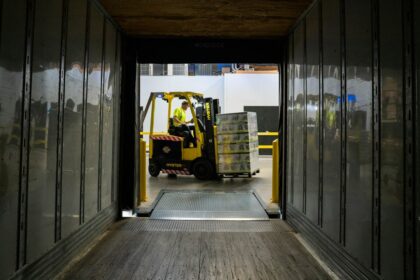
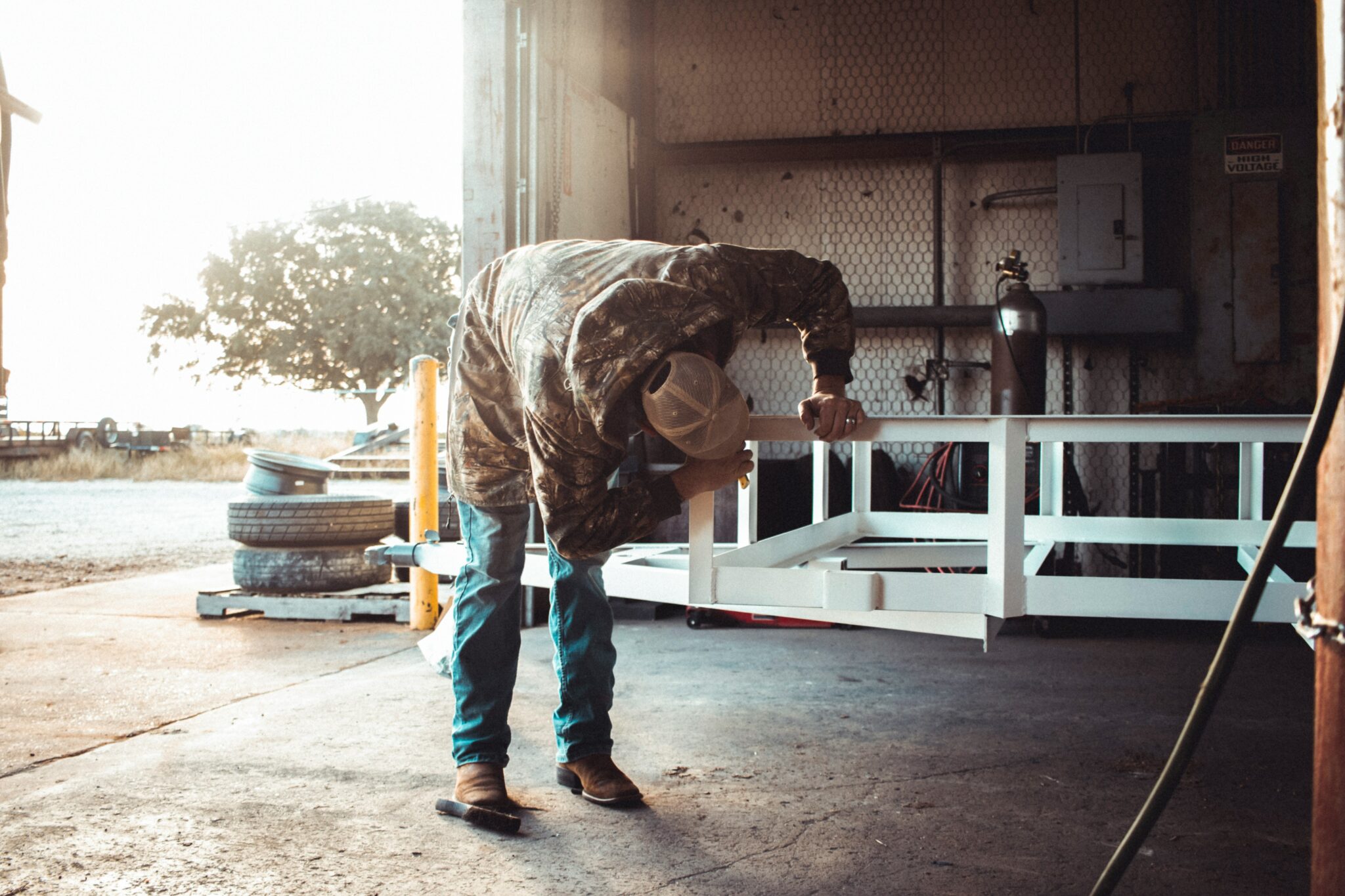
The proposal matters to this industry because of where the work happens. Delivery and installation crews spend their days in unconditioned warehouses, on loading docks, in box trucks, and inside gym build-outs where the HVAC is not yet running. Those are settings the proposed standard was written to reach.
Where the OSHA heat rule stands as of October 2026
OSHA published the Notice of Proposed Rulemaking on August 30, 2024, at 89 FR 70698, under Docket No. OSHA-2021-0009 and RIN 1218-AD39. The comment period closed on January 14, 2025. An informal public hearing ran from June 16 to July 2, 2025, and the post-hearing comment period, extended by a notice at 90 FR 46110, closed on October 30, 2025 (OSHA heat rulemaking page).
The regulatory agenda entry for RIN 1218-AD39 lists the rule at Proposed Rule Stage and gives two forward dates: a Supplemental NPRM in December 2026 and Final Action in October 2027 (Unified Agenda entry, RIN 1218-AD39). Agenda dates are planning targets and have moved before, so the December date should be read as a signal of direction rather than a commitment.
Nothing in the OSHA heat rule proposal is enforceable today. OSHA continues to address heat under the General Duty Clause and its heat-related National Emphasis Program, which it renewed on April 10, 2026 for a further five years, and several states already run their own heat standards. What the proposal does is show the shape of the obligation a dealer is likely to inherit.
What the proposed OSHA heat rule would require
The proposed standard would sit at 29 CFR 1910.148 and be incorporated by reference into the construction, maritime and agriculture parts. It is built around two thresholds. The proposed text defines the initial heat trigger as “a heat index of 80 degrees F or a wet bulb globe temperature equal to the NIOSH Recommended Alert Limit,” and the high heat trigger as “a heat index of 90 degrees F” or a wet bulb globe temperature equal to the NIOSH Recommended Exposure Limit.
| Threshold | Proposed value | Core obligations that attach |
|---|---|---|
| Initial heat trigger | Heat index 80 degrees F | Drinking water, break areas, acclimatization for new and returning employees |
| High heat trigger | Heat index 90 degrees F | Minimum 15-minute paid rest break at least every two hours |
On water, the proposal would require a supply “of sufficient quantity to provide access to 1 quart of drinking water per employee per hour.” On break areas, outdoor sites would need shade that provides “blockage of direct sunlight and is open to the outside air,” explicitly not “shade from equipment,” or an air-conditioned enclosed space; indoor break areas would need to be “air-conditioned or has increased air movement and, if appropriate, de-humidification.”
At the high heat trigger, the proposed text is specific: “The employer must provide employees a minimum 15-minute paid rest break at least every two hours.” Acclimatization offers two routes for new employees. One applies the high-heat protections during the employee’s first week whenever the heat index is at or above the initial trigger. The other limits exposure to “20% of a normal work shift exposure duration on the first day of work, 40% on the second day of work, 60% of the third day of work, and 80% on the fourth day of work” (OSHA proposed regulatory text).
The exclusions that matter to a dealer
Several proposed exclusions map directly onto how equipment businesses operate. Work with no reasonable expectation of exposure at or above the initial trigger would be out. So would “short duration employee exposures at or above the initial heat trigger of 15 minutes or less in any 60-minute period,” and “work activities performed in indoor work areas or vehicles where airconditioning consistently keeps the ambient temperature below 80 degrees F.”
A further exclusion covers “sedentary work activities at indoor work areas” involving only sitting, occasional standing and walking for brief periods, and occasional lifting of objects under 10 pounds. A showroom salesperson plausibly sits inside that carve-out. A two-person crew walking a selectorized stack across an unconditioned warehouse does not.
Seven steps to take before the supplemental proposal lands
- Measure, do not estimate. Log heat index at the dock, in the warehouse aisles and in the trucks across a summer week. A written record of actual conditions decides whether the exclusions apply to your sites.
- Separate the work types. Showroom, warehouse, delivery and installation sit at different exposure levels. Treat them as separate populations rather than averaging the company.
- Cost the water and break-area provisions. One quart per employee per hour over an eight-hour shift is two gallons a person. Price the coolers, the restock labor and the shade or cooling at each regular site.
- Model the paid break arithmetic. A 15-minute paid break every two hours removes roughly one hour from an eight-hour field day. Run that against your installed-unit-per-day assumptions before it reaches a quote.
- Write an acclimatization practice now. New hires and crews returning after time away are the proposal’s focus. A gradual-exposure schedule is cheaper to design in January than in July.
- Check the state rules you already sit under. Several states enforce their own heat standards today. A dealer operating across state lines may already owe more than the federal proposal would require.
- Push the obligation into subcontract language. Where installation is subcontracted, decide in the contract who supplies water, shade and breaks, and who documents them.
The cost line that is easy to leave out of a rate card
Assume, purely for illustration, a two-technician install crew billing an eight-hour day, and assume the high heat trigger is reached on 30 field days a year. Four 15-minute paid breaks per person per day is one hour each, or two crew-hours a day. Across 30 days that is 60 crew-hours. These are assumed inputs, not survey figures, and each dealer should substitute its own day count and crew size.
At an assumed fully burdened cost of $65 per technician-hour, 60 crew-hours is $3,900 a year for one crew. The number itself is small. What matters is where it lands: if installation is quoted at a fixed per-unit rate set before the season, that hour comes out of margin rather than out of the invoice. The same logic that governs pricing delivery and installation with a complete job-cost sheet applies here, and the rate card is the right place to absorb it.
Records to start keeping
Three records would do most of the work under a standard of this shape. A daily conditions log capturing heat index by site. A training record showing who received heat illness training and when. An acclimatization record naming each new or returning employee and the schedule applied. None of these require software, and all of them are far easier to build in advance than to reconstruct after an inspection.
Dealers that already maintain injury logs have most of the administrative habit in place. The thresholds that decide whether install crews end a dealer’s OSHA records exemption are a useful reference point, because the same crews and the same sites are in scope. Warehouse operations have a parallel set of controls, and the receiving and storage practices covered in aisles, stacking and forklift records at the dock are where a heat log naturally attaches.
Common mistakes
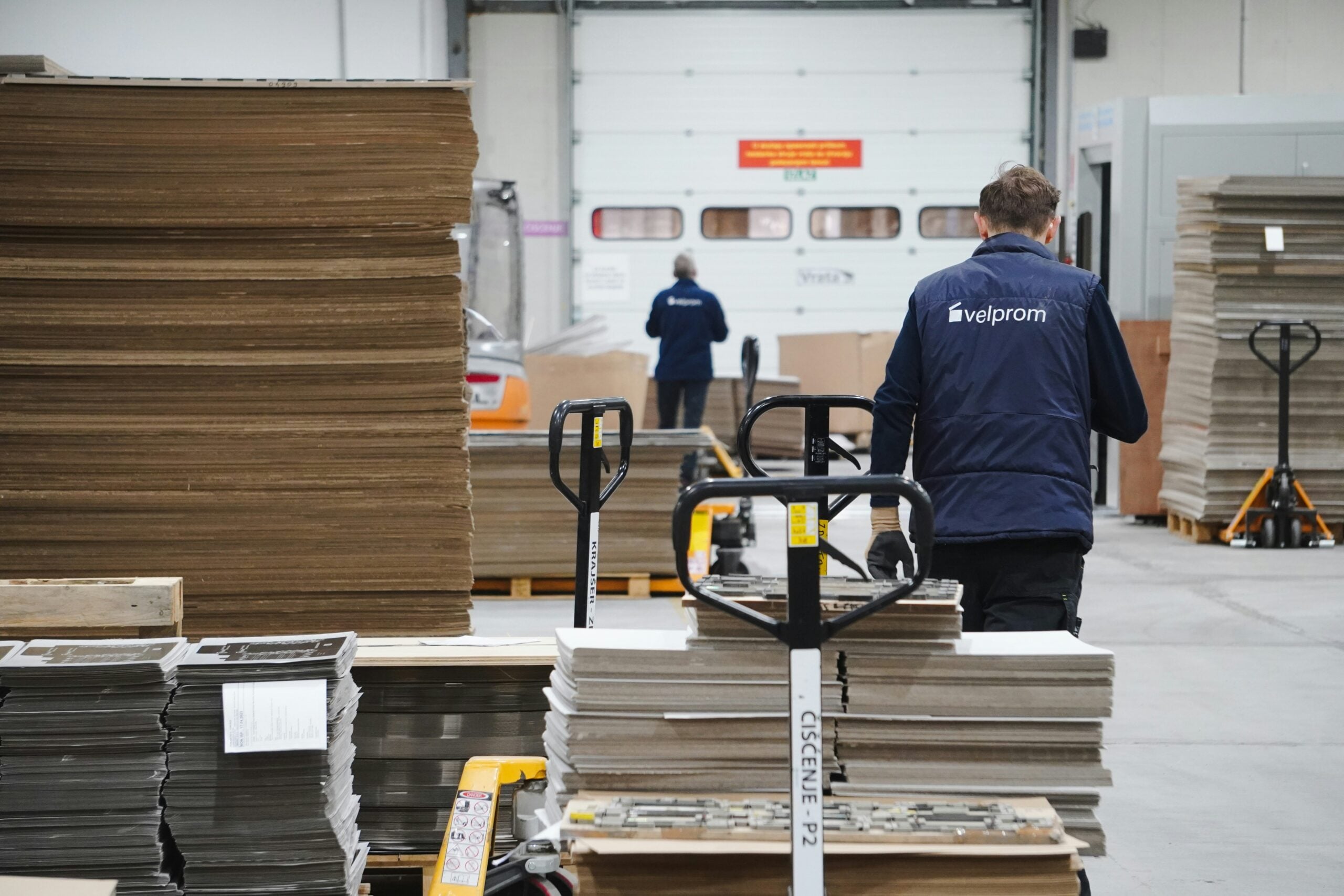
The first is reading the OSHA heat rule as “proposed, so not yet relevant.” The General Duty Clause already reaches recognized heat hazards, and a company with no heat program has no answer when an inspector asks what it did. The second is assuming indoor work is automatically excluded. The proposed exclusion applies only where air conditioning consistently keeps the space below 80 degrees F, which many equipment warehouses will not.
The third is treating shade as solved by parking a truck nearby. The proposed text rules out shade from equipment, which would exclude the obvious improvisation on a loading dock. The fourth is forgetting returning employees. Acclimatization provisions in heat standards generally apply to people coming back after a break in exposure, not only to new hires.
What a dealer should do between now and December
Build the conditions log this autumn, while the memory of the last hot season is fresh enough to identify the worst sites. Write a one-page heat plan naming the triggers you will use, the water and break provisions you will supply, and the person responsible at each site. Then price the field-day impact into next season’s installation rates.
If the supplemental proposal arrives in December 2026 as the agenda indicates, it will carry its own comment period, and dealers with real measurements will be in a far better position to comment than those arguing from impression. The requirements described here come from a proposal that has not been finalized and may change; this is general information rather than legal advice, and a dealer should confirm its own obligations with counsel or with its state plan.