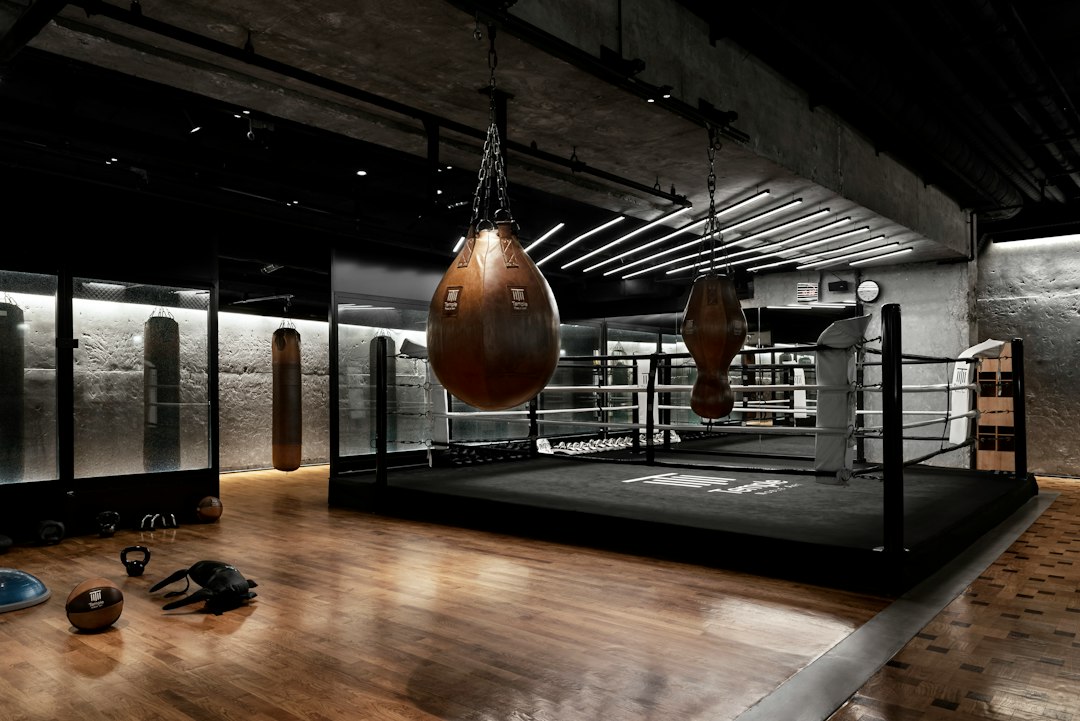

For: dealers, studio operators and project installation teams
The decision: Can the proposed rail system and building support the intended class layout?
60-second answer: Obtain the rail manufacturer’s requirements and a qualified assessment of the actual supporting structure. Agree the approved layout, installation method and responsibilities before ordering or mounting.
Bag count belongs in a coordinated installation design, not a guess based on ceiling appearance.
Define the complete proposed system
List the rail model, bags, hangers, trolleys, accessories and intended use. Ask the manufacturer which combinations and configurations are approved. A published component capacity does not establish the capacity of the assembled system or the building connection.
Have the appropriate structural professional assess the actual structure and proposed loading, including movement and the intended arrangement. Do not infer a mounting point from a ceiling tile, exposed finish or an unidentified joist. Do not use a generic dynamic-load multiplier as the installation design.
| Decision | Evidence required | Owner to identify |
|---|---|---|
| System configuration | Manufacturer-approved components and layout | Dealer and manufacturer |
| Structural suitability | Assessment of actual structure and proposed loading | Qualified structural professional |
| Operating space | Bag movement, users, circulation and nearby equipment | Facility and design team |
| Installation method | Approved connections, access and work scope | Qualified installer and project lead |
| Handover | Completed checks, restrictions and inspection instructions | Installer and facility operator |
Include the work that the catalogue price omits
The installation quote should identify access equipment, structural work, protection of occupied areas, making good and any specialist inspection. Clarify landlord permissions and responsibility for building information. If the design changes after the order, get the cost and schedule consequences approved before work proceeds.
Evaluate noise and vibration concerns with the building team, particularly where other occupiers share the structure. A rail that fits a room geometrically may still be unsuitable for its setting. Keep those issues visible in the project brief rather than allowing them to become an informal installer decision.
Before the class begins, give the operator the approved configuration, use restrictions and inspection instructions. Changes in bag type, quantity, spacing or accessories should go back through the relevant review. Movement, damage or an unresolved connection concern requires stopping use of the affected installation pending qualified assessment.

Records to pull
Pull the full component schedule, manufacturer documentation, building and structural records, approved drawings, installation scope and handover checks. Keep the agreed configuration available to staff who may later move bags.
Questions to resolve
- Which system configurations does the manufacturer approve?
- Who confirms the actual supporting structure and connections?
- What changes require a new review before use?
What to do this week
- Attach a complete configuration list to the next rail quotation.
- Resolve structural and layout questions before installation is booked.
- Include documented checks and inspection responsibilities in handover.
Related FEX resources
FEX editorial analysis: the operating framework above is a recommendation, not a manufacturer specification or an industry benchmark.
Editorial update, October 7, 2026: Removed an unverified studio incident and generic structural prescriptions. The guide now defines evidence and responsibilities for a qualified project review.