

A club that runs forty cardio assets and a full strength line will spend more on in-house equipment service than it expects, and less than the vendor invoice it replaces.
- Threshold One: Assets Under One Roof
- Threshold Two: Drive Time Between Sites
- Threshold Three: The Parts Shelf You Already Carry
- What In-House Equipment Service Costs Before Anyone Turns a Wrench
- Threshold Four: The Response Time You Already Promised
- Threshold Five: Who Signs the Energy Control Procedure
- Threshold Six: The Work a Technician Is Not Allowed to Do
- A Threshold Table for In-House Equipment Service
- Five Moves Before the Requisition Goes Up
- Questions Operators Ask About In-House Equipment Service
- Can one technician cover three clubs
- Does an employed technician void manufacturer warranties
- What does the first year usually cost
- Should a single-site studio ever hire one
- Where the Decision Actually Lands
The comparison most owners run is broken before it starts. They set a technician’s salary against last year’s service invoices, find the salary smaller, and hire. What they bought was not a lower cost line. It was control over response time, and that control costs money in places a salary line never shows.
The thresholds below are the ones that actually decide it. Each is a number the club already has, sitting in a work order history, a lease file or a payroll register.
Threshold One: Assets Under One Roof
The first threshold for in-house equipment service is the simplest one: powered assets in a single building. A technician’s week holds roughly thirty-two productive hours once travel, ticket writing and parts chasing are stripped out.
Preventive maintenance on a commercial cardio unit runs somewhere between twenty and forty minutes a month depending on the platform, so sixty powered assets produce a real but not quite full week of skilled work. Below that line, the unfilled hours quietly become facilities work. That is not a failure. It is a different job description than the one you posted.
Threshold Two: Drive Time Between Sites
Multi-site operators reach the economics earlier, because one technician covers more assets. Drive time is the variable that ruins it.
Two clubs twelve minutes apart share a technician comfortably. Two clubs fifty minutes apart share one on paper and a backlog in practice, because every emergency call spends close to two hours in a vehicle. Measure the drive at the hours calls actually arrive, mid-morning and early evening, rather than at midnight.
Fleets running one spec across every site get more from in-house equipment service than fleets running four brands, because the parts shelf and the training both shrink. The case for a single spec across a multi-site fleet and the case for an employed technician are largely the same argument arriving twice.
Threshold Three: The Parts Shelf You Already Carry
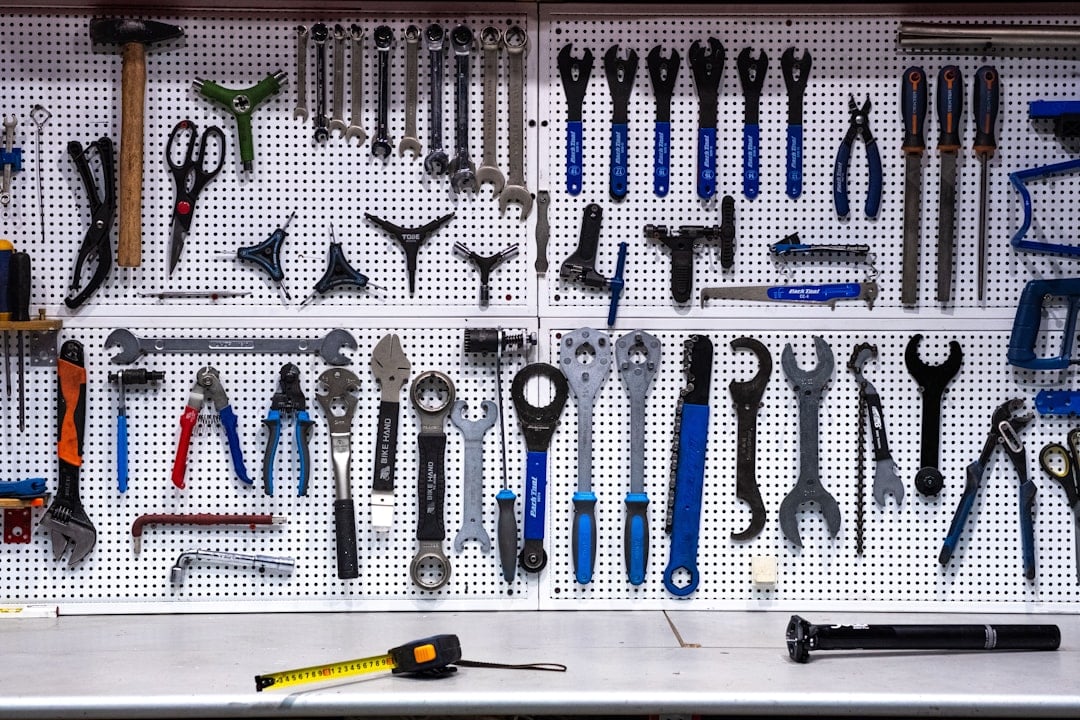
A technician without parts is a diagnostician. The shelf is the hidden capital requirement, and it is not small: belts, decks, motor brushes, drive belts, console boards, cables, bearings and the fasteners nobody remembers to order.
Clubs that already stock deep have paid most of this cost. Clubs that have relied on a vendor’s van are about to learn that the van was inventory they were renting, which is why the way parts get stocked belongs inside this decision rather than after it.
What In-House Equipment Service Costs Before Anyone Turns a Wrench
Wages are the visible line and the smallest surprise. The Bureau of Labor Statistics reported median pay for general maintenance and repair workers at $49,590 a year, or $23.84 an hour, in 2025, and projects the occupation to grow 4 percent from 2025 to 2035, in its Occupational Outlook Handbook entry for the trade.
Treat that as a floor for a fitness-specific technician rather than a forecast. Then add payroll taxes, benefits, a vehicle or mileage reimbursement, tools, manufacturer training courses, diagnostic access and the shelf described above.
Run the total against three years of invoices rather than one. A single year flatters whichever side of the decision happened to have the quiet year.
Threshold Four: The Response Time You Already Promised
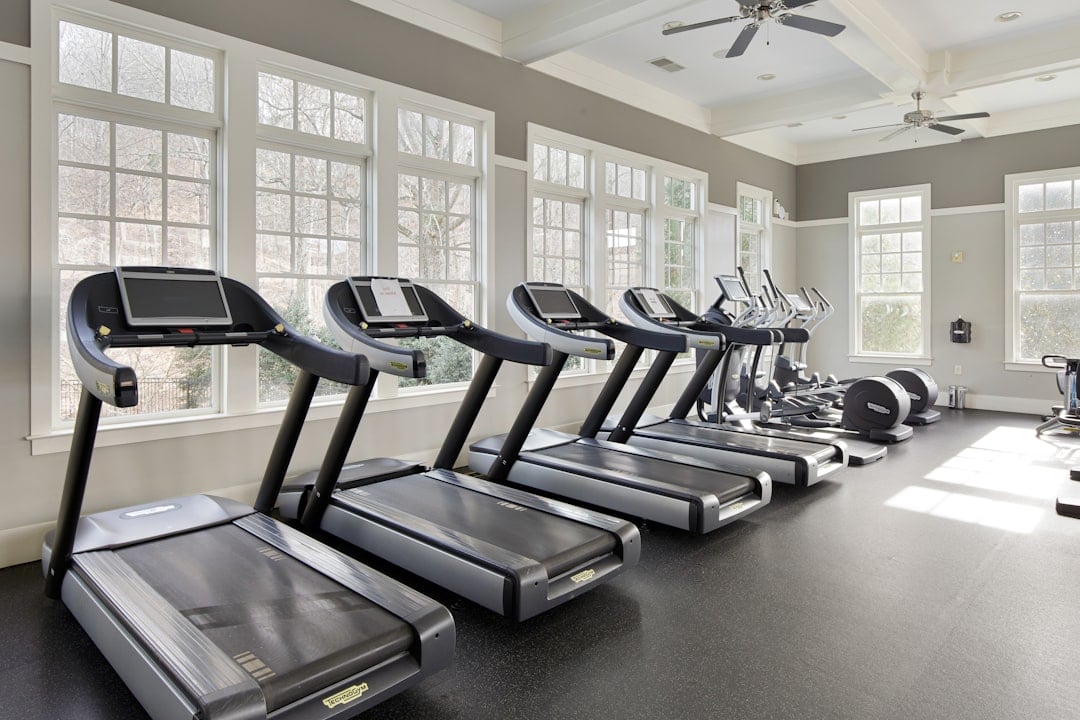
Read what the club has told members, and in a group, what the operations manual commits to. A four-hour response on a treadmill is a promise almost no third-party contract will match at a price a single club will pay.
This is where in-house equipment service earns its keep. Not on cost per repair, but on downtime hours avoided on the six assets members actually notice and complain about.
Uptime has a revenue shadow rather than a revenue line, so the case has to be argued on it explicitly. Operators who have measured what the first hours after a breakdown cost already have the numbers this threshold needs.
Threshold Five: Who Signs the Energy Control Procedure
A technician working inside a powered machine is doing work OSHA regulates. The lockout and tagout standard at 29 CFR 1910.147 covers servicing and maintenance where unexpected energization, start up or the release of stored energy could cause injury, and 1910.147(c)(1) requires a program of energy control procedures, employee training and periodic inspections.
Two details decide whether a club is ready. Authorized employees must be trained in recognizing hazardous energy sources and the means of isolating them, and the periodic inspection required at 1910.147(c)(6) has to happen at least annually, performed by someone other than the employee using the procedure.
A third-party contract carries that obligation inside the vendor’s compliance program. Moving service in-house moves the obligation to you. The transfer is free to sign and expensive to ignore.
Threshold Six: The Work a Technician Is Not Allowed to Do
Every in-house equipment service program hits a boundary. Warranty labor without authorization, electrical work past the cord cap, and structural weld repair generally sit outside what a club technician should touch, whatever their skill level.
Warranty is the boundary that costs real money, because a part replaced before the manufacturer authorizes the work is usually a part the manufacturer declines to pay for. A technician who is fast and unauthorized converts a covered failure into an operating expense.
So the honest version of the decision is not vendor or employee. It is which share of the work moves, and whether the residual vendor relationship survives at a lower volume. In-house equipment service is almost always partial.
A Threshold Table for In-House Equipment Service
Score each row against your own numbers. Three or more landing in the right column makes the hire arguable. Two or fewer means the money belongs in a better service agreement instead.
| Threshold | Stay with a vendor | Bring it in-house |
|---|---|---|
| Powered assets in one building | Under sixty | Sixty or more |
| Drive time between sites | Over thirty minutes | Under twenty minutes |
| Brands on the floor | Four or more | One or two |
| Parts already stocked | Vendor’s van | Own shelf with a dated bin list |
| Response time promised to members | Next business day | Same day or four hours |
| Service invoices, three-year average | Below one loaded salary | Above one loaded salary plus parts |
| Lockout and tagout program | The vendor’s | Written, trained, inspected annually |
| Warranty labor share of repairs | Majority of tickets | Minority of tickets |
Five Moves Before the Requisition Goes Up
None of these takes longer than a week, and each one removes a way the decision goes wrong.
- Pull three years of service invoices, not one. Split them into preventive visits, warranty labor and emergency calls, because only two of those three transfer to an employee.
- Time the response you actually get today. Read ticket timestamps rather than the contract language, and list the six assets that generate the most member complaints.
- Price the shelf before the salary. Build a bin list from last year’s parts consumption and get it quoted, because that number decides more cases than the wage does.
- Write the energy control procedure first. If nobody will own the annual inspection, the program is not ready no matter how the arithmetic reads.
- Renegotiate the vendor agreement in the same quarter. A narrower scope at a better rate is the fallback, and the clauses worth reopening are easiest to move while the hire is still credible.
Questions Operators Ask About In-House Equipment Service
Can one technician cover three clubs
Usually yes, if the drive between them is short and the brands are few. Three clubs carrying fifty to seventy powered assets each amount to a full week of preventive work on their own, which means emergencies push the schedule instead of fitting inside it. Plan the second pair of hands at that point, or accept slipping intervals.
Does an employed technician void manufacturer warranties
Not by itself. What voids coverage is unauthorized labor: work started before the manufacturer issues an authorization number, or a repair performed outside the training the warranty terms require. Ask each supplier in writing which tasks an owner-employed technician may perform, and keep that answer filed with the asset record.
What does the first year usually cost
More than the salary and less than the panic estimate. Budget wages and payroll costs, a parts shelf sized from last year’s consumption, manufacturer training on the two platforms with the most units, basic tooling and a vehicle allowance if the sites are spread out. Invoice savings arrive in year two, not year one.
Should a single-site studio ever hire one
Rarely as a full role. A boutique or Pilates studio with twenty assets gets more from a trained staff member working a documented weekly checklist, plus a contracted technician for anything powered. In-house equipment service at that scale arrives as part of someone’s job rather than as a job.
Where the Decision Actually Lands
Clubs that get this right do not decide on cost. They decide which failures they refuse to wait on, buy the capability to fix those, and contract the rest. In-house equipment service is a response-time purchase with a wage attached, and it pays when the shelf, the training and the annual inspection are funded alongside the salary. Funded halfway, it delivers a slower vendor at a higher price.