
For: commercial equipment buyers and dealers arranging manufacturer demonstrations
The decision: Will the visit answer the questions needed to advance a purchase?
60-second answer: Send the operating requirements ahead, test the relevant configurations and leave with documented answers and open issues. A booked showroom visit can improve access to product staff; it does not prove reliability, local service or buying value.
Two openings, different formats
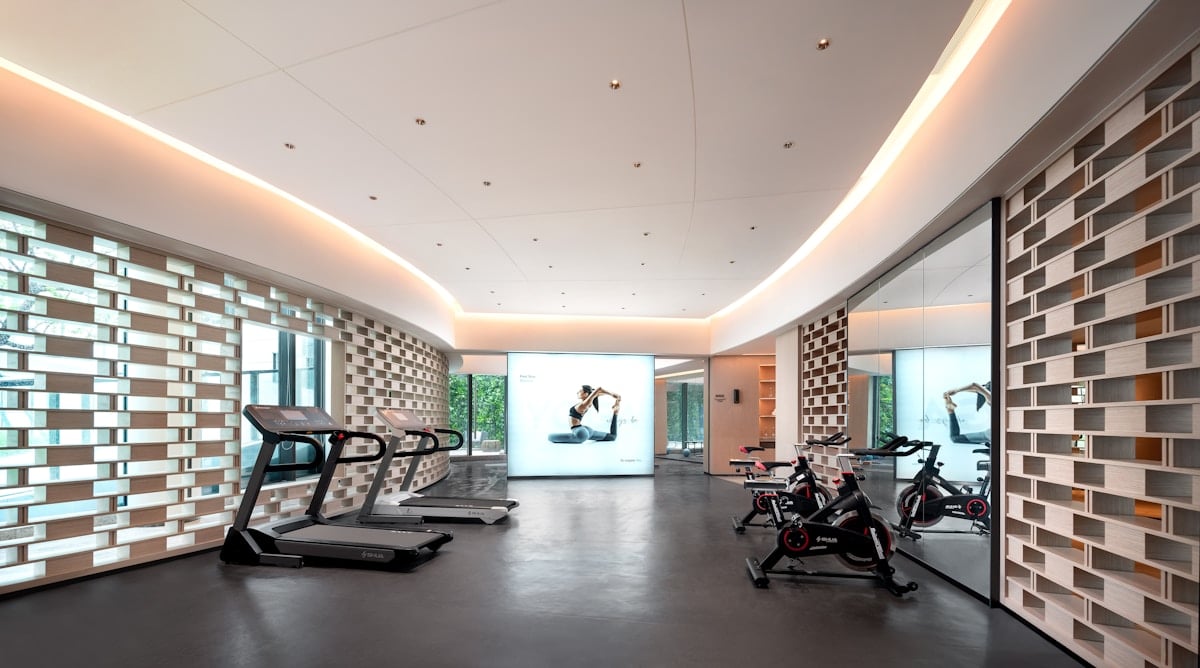
MTG’s September 1, 2026 release describes a reservation-only Nike Strength showroom in Tokyo for individual and business visitors. SportsArt’s September 3 release describes POWR-ZONE Columbus as a showroom and application-development hub, with a September 10 opening. The SportsArt release also describes programming and an experience center; it does not establish the same appointment-only operating model as MTG.
These announcements show different ways to demonstrate equipment. They do not prove a broad shift away from dealers, or that resident demo machines have accumulated meaningful wear. Ask for the actual history of the units you will see.
Send a one-page visit brief
| Before arrival | During the visit | Evidence to take away |
|---|---|---|
| Named models and proposed users | Observe fit, adjustment and access | Configuration-specific notes and unresolved limitations |
| Measured room and access constraints | Compare actual setup with the proposed layout | Dimensions and installation documents |
| Service coverage questions | Discuss diagnosis, parts and escalation | Named contacts and applicable service terms |
| Required digital functions | Demonstrate the relevant workflows | Subscription scope, support and data questions |
| Budget and decision date | Review the full supply and install scope | Dated written proposal and agreed next step |
Bring existing service issues, user feedback, current equipment inventory and the operating schedule. Where practical, include someone who will maintain the equipment and someone who will use or supervise it. Their observations may differ from those of the purchasing lead.
Use the room for the questions it can answer
A supervised visit can reveal adjustment difficulties, awkward controls or a layout assumption that needs revision. It cannot reproduce years of duty or establish response times in your territory. Ask whether the display unit differs from the proposed production model and whether any demonstration is configured specially for the visit.
- How long has this unit been in service, and what work has been recorded?
- Who will support our actual location, and under which agreement?
- Which claims can be demonstrated today and which require documents or a reference site?
- What must be resolved before a second visit or purchase decision?
For a dealer considering its own appointment program, pull booked visits, attendance, staff hours, qualified proposals and realized contribution. Include rent, demo carrying cost and upkeep. Compare outcomes over a suitable sales cycle instead of claiming that appointments inherently convert better than walk-ins.
A warning sign is leaving with enthusiasm but no answers to the original constraints. Record declined requests as well as favorable findings. Where a local reference site or pilot would resolve an important remaining issue, define the question and cost before arranging it.
After the demonstration
- Send a concise record of findings and outstanding documents to the supplier.
- Assign owners and due dates to issues that affect the quote.
- Advance, revisit or decline using the agreed buying criteria.
Continue with FEX
FEX editorial guidance: the decision tools and operating recommendations in this guide are FEX analysis. They are not manufacturer specifications, contractual entitlements or industry benchmarks.
Source notes
- MTG showroom release — September 1, 2026 announcement; reservation requirement is explicit.
- SportsArt release via Athletic Business — Company-supplied September 3, 2026 announcement; a different experience-center format.
Editorial update, October 7, 2026: Corrected the claim that both announced facilities were appointment-only and removed unsupported visit-duration, access-time and demo-age assumptions.