
For: equipment dealers, showroom managers and sales leaders
The decision: Which demonstration stations help qualified buyers make a decision?
60-second answer: Use recent quotes, lost-sale reasons and demonstration results to allocate the showroom. Plan safe, accessible operating space and an equipment movement route. Give every displayed model a sales purpose and a review date.
Start with decisions your customers struggle to make
A showroom should answer questions that a product page cannot settle: adjustment, access, movement, noise, console workflow or a meaningful comparison between two models. Review recent opportunities with the sales team. Identify where a demonstration changed the proposal and where the display added no useful evidence.
Use a defined review period and keep the appointment count, qualified quotes, orders and cancellations separate. A visitor who tried three machines should not become three independent sales opportunities in the report.
| Display or zone | Record | Action to consider |
|---|---|---|
| Demonstration station | Qualified appointments, question resolved and related quotes | Keep if it supports a useful purchasing decision. |
| Comparison pair | Reason buyers need the comparison; observed preferences | Retain only while the comparison remains relevant. |
| Rarely demonstrated model | Capital tied up, age and realistic exit options | Rotate, sell or move to order-only status. |
| Working area | Manufacturer clearance, access and supervision requirements | Resolve layout issues before demonstrations. |
| Support display | Manuals, service process and relevant parts examples | Make after-sale support concrete. |
| Movement route | Receiving, relocation and separation from visitors | Schedule equipment movement outside demonstrations. |
Do not trade operating clearance for one more display
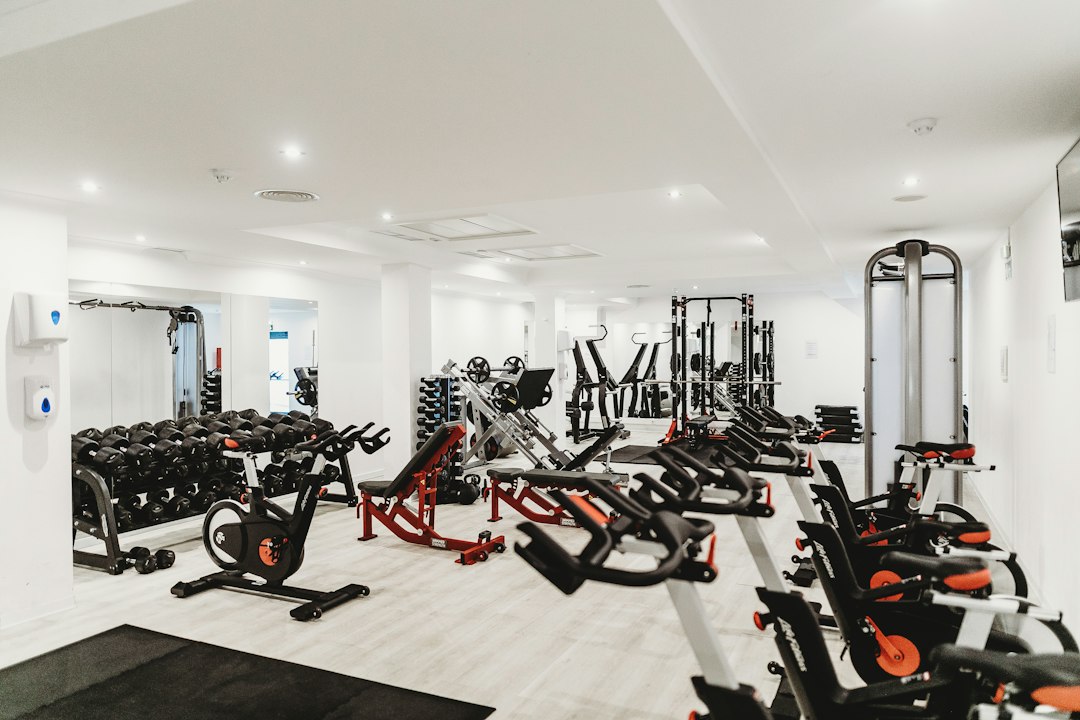
Use model-specific operating envelopes, loading space, access requirements and applicable accessibility and building guidance. Get qualified review where needed. A generic dimension does not resolve every showroom layout, and static machine footprints do not show users, spotters, plate loading or maintenance access.

Design the appointment around a proposal
- Record the buyer’s intended use, site constraints and decision criteria before the visit.
- Prepare the relevant models and current documentation.
- Demonstrate within manufacturer instructions and staff competence.
- Record the buyer’s observations without turning a preference into a performance claim.
- Leave with an agreed specification question or next proposal step.
Keep display condition, approved software and demonstration readiness on a routine checklist. If a feature cannot be shown, tell the buyer why and arrange a verified follow-up rather than describing an untested result.
Measure contribution without claiming causation
Track orders associated with demonstrations, realized contribution after attributable costs, and time held on the floor. The fact that a buyer visited does not prove the showroom caused the purchase. Compare outcomes with the decision it was meant to support and ask the sales team what would be lost if the model were removed.
Treat illustrative floor-space or conversion targets as local management choices. Do not present them as industry benchmarks. Adjust the review for long institutional sales cycles and products that require a demonstration but sell infrequently.
What to do this week
- Audit every display against recent qualified inquiries.
- Resolve one layout or readiness problem.
- Add a demonstration-outcome field to the sales record.
- Choose one rotation decision and set a review date.
Connect the display plan to the quote worksheet and stocking review. This is an FEX management framework.