
For: Dealers adding or quoting digital resistance machines, and commercial buyers evaluating them.
The decision: Whether the service, software and support model behind an electronically controlled strength machine is one your service team and your customer can live with for the life of the unit.
60-second answer: Treat the purchase as a service and dependency decision as much as a product comparison. Before quoting, get written answers on five points: who can diagnose and replace the resistance unit, and with what tools; the software fee and what happens if it lapses; how the machine behaves on power loss; who controls firmware updates; and whether the license transfers on resale. A quote missing any of these is incomplete.
What changes when the stack becomes software
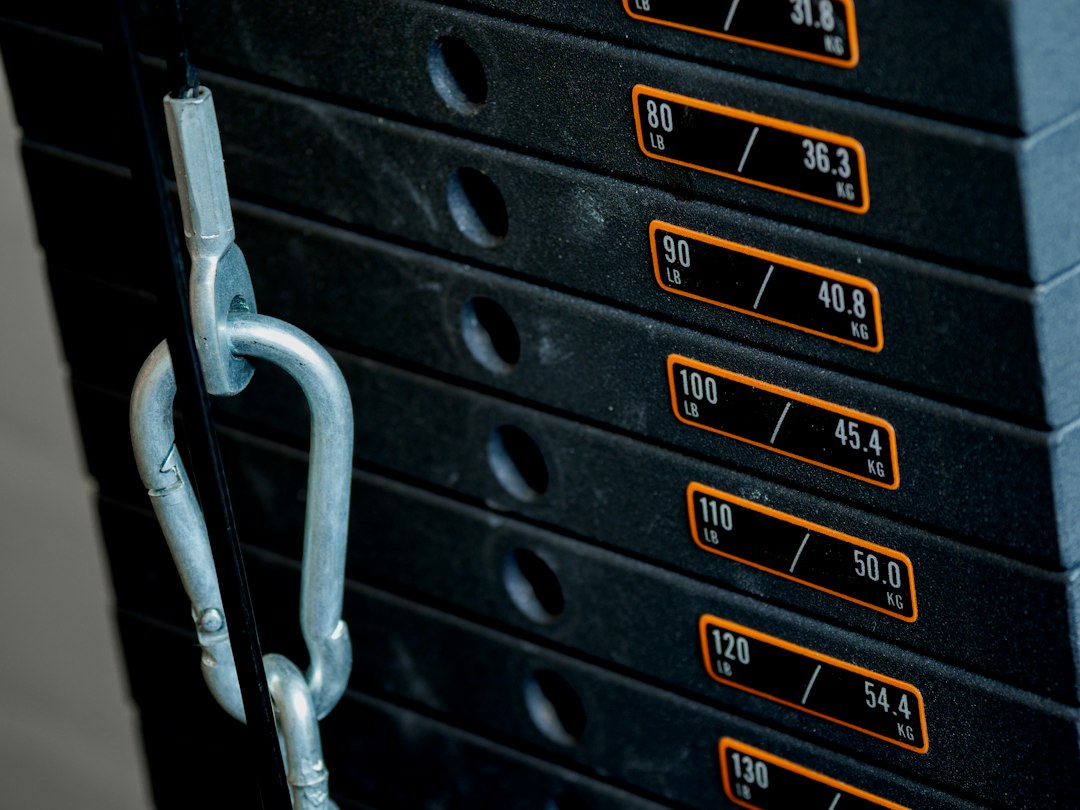
Electronic load control can offer eccentric loading, per-repetition adjustment and training data a pin and stack cannot. In exchange, one mechanical component becomes three: a motor or brake, a controller, and software that sets the force at the handle. Frames, cables, pulleys and bearings remain conventional and wear conventionally, so they still need the ordinary inspections in the manufacturer’s manual.
What changes is where new failures land and who can fix them. The questions below decide whether a fault is an ordinary service call or a shipment to the manufacturer with a lead time attached.
The five questions that belong in the quote
1. Who can service the resistance unit?
If the resistance module is field-replaceable, carries a published part number and can be diagnosed with tools your technicians can obtain, service looks like conventional strength equipment with an extra part on the shelf. If diagnosis needs proprietary software held only by the manufacturer, or the unit must be returned, every fault becomes a freight and lead-time event. Ask which it is before discussing price, and confirm whether service is restricted to the manufacturer’s own network.
2. What does the software cost after the warranty?
Get the post-warranty software position in the quote: the fee per machine, whether it can increase, what stops working if it lapses, and whether the machine reverts to a basic mode or stops entirely. The broader issue is covered in equipment software fees.
3. How does the machine behave on power loss?
Ask the manufacturer to state in writing what happens to the load if power is interrupted during a repetition, and to demonstrate it. Showrooms rarely lose power, so this question is often skipped. Put the required behavior in the purchase agreement and have the manufacturer confirm it applies to the configuration delivered.
4. Who controls firmware updates?
On these machines firmware can govern the force the user feels, not just the screen. Ask whether updates are scheduled, whether they can be deferred, and whether rollback is possible. A fleet on mixed versions may not deliver the same load for the same selection. Version control is covered in firmware updates and support lifecycle.
5. Does the license transfer on resale?
If the software license is tied to the original purchaser and does not transfer, the machine’s resale and trade-in value depends on what it can do without it. Ask for a written statement of the minimum function the machine retains with no live software relationship. If the answer is that it becomes unusable, evaluate the purchase as a subscription with hardware attached.
Check the listing and the recall record
Powered exercise equipment falls under a different electrical standard from a plate-loaded rack. UL 1647, the Standard for Motor-Operated Massage and Exercise Machines, covers motor-operated exercise equipment; its current sixth edition was revised in 2026, and its requirements do not cover appliances rated above 250 volts. Ask which listing mark appears on the finished machine, not only on a component inside it, and see certification marks: verify the model and scope.
Search CPSC recalls for the brand and category. Smart and connected strength equipment has been recalled for mechanical faults as well as electronic ones: in recall 26-150 of December 18, 2025, Amp Fit recalled about 1,900 AMP MP2 wall-mounted smart fitness machines, sold online at Ampfit.com, after ten reports that the arm did not lock properly. CPSC told consumers to stop using the machine immediately; the remedy is a free inspection and repair at the consumer’s residence that replaces a part in the locking mechanism. The lesson for commercial buyers is to inspect the joints between the new technology and the conventional hardware, not only the software.
Evidence table for the quote file
| Question | Answer that supports quoting | Answer that needs resolving first |
|---|---|---|
| Resistance unit service | Field-replaceable module, published part number, diagnosis tools available to your technicians | Whole unit returns to the manufacturer, or service restricted to its network with no stated lead time |
| Software after warranty | Fee and escalation terms stated in the quote | Fee unstated, or open-ended |
| Lapse behavior | Defined basic mode without a live license | Machine stops working |
| Power-loss behavior | Written description, demonstrated, included in the agreement | Verbal assurance only |
| Firmware control | Scheduled, deferrable, rollback position stated | Updates pushed without notice or control |
| Electrical listing | Mark on the finished machine for the model quoted | Component-level certificate only |
| Data export | Documented export on termination | Data available only inside the vendor platform |
| Resale and transfer | License transfers with the machine | License tied to the original account |
Operating questions to ask
- Duty and environment: What continuous duty rating and ambient temperature range does the manufacturer state for the resistance unit? Compare it with the warmest part of the floor and the facility’s opening hours.
- Parts: Which parts should a dealer stock for the installed base, and what is the lead time for the resistance module?
- Training: What training does the manufacturer provide for dealer technicians, and is it required before warranty work is accepted?
- Network: What does the machine need from the facility network, and what still works when the network is down?
What to do this week
- Send the five quote questions to the manufacturer and file the written answers with the quote.
- Ask for the resistance module part number, lead time and service-tool access for your technicians.
- Confirm the listing mark on the finished model being quoted.
- Search CPSC recalls for the brand before the first order.
- If the customer is new to the category, propose a single-unit trial on a busy part of the floor before a fleet order; agree the review date in advance.
Continue with FEX
- Connected equipment data: access, retention and exit
- New strength brands: verify commercial support
- Critical parts stocking from failures and lead times
FEX editorial guidance: the question set and evidence table are FEX analysis. They are not manufacturer specifications, contractual entitlements or industry benchmarks.
Source notes
- UL 1647, Standard for Motor-Operated Massage and Exercise Machines — Scope and the 250-volt limit; sixth edition revised 2026.
- CPSC recall 26-150: AMP MP2 Smart Fitness Machine — Units, reports, hazard and remedy.
Editorial update, October 8, 2026: Removed an unsourced claim about what long-term operators report on software costs and an unsupported statement that such machines are worth close to scrap value in year six. Corrected the description of UL 1647’s scope, and noted that the AMP recall concerned a product sold for home use. October 9, 2026: described the AMP MP2 by its CPSC-listed sales channel and added CPSC’s stop-use instruction.