
For: dealers, strength-floor planners and equipment service teams
The decision: Is this attachment approved for this rack configuration and intended use?
60-second answer: Match the exact rack and attachment models, dimensions, retention method and manufacturer-approved loading conditions. Similar tube sizes or a pin that fits are insufficient evidence that the assembled system is suitable.
Physical fit is one part of the decision
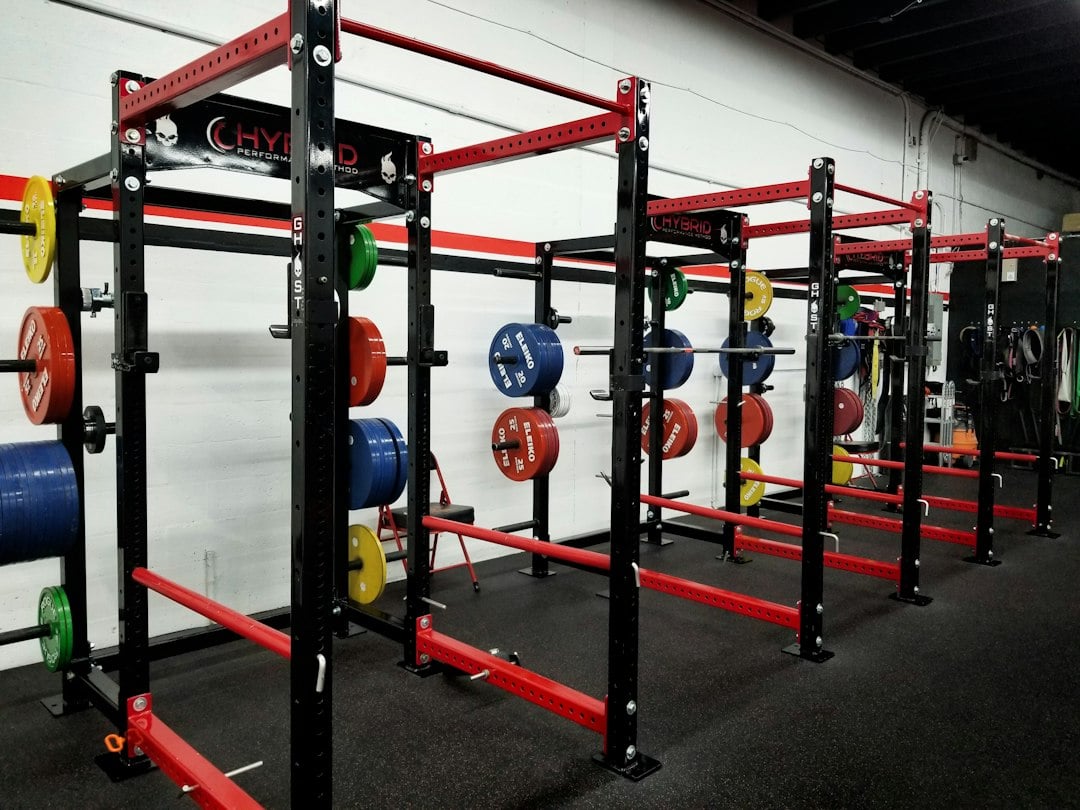
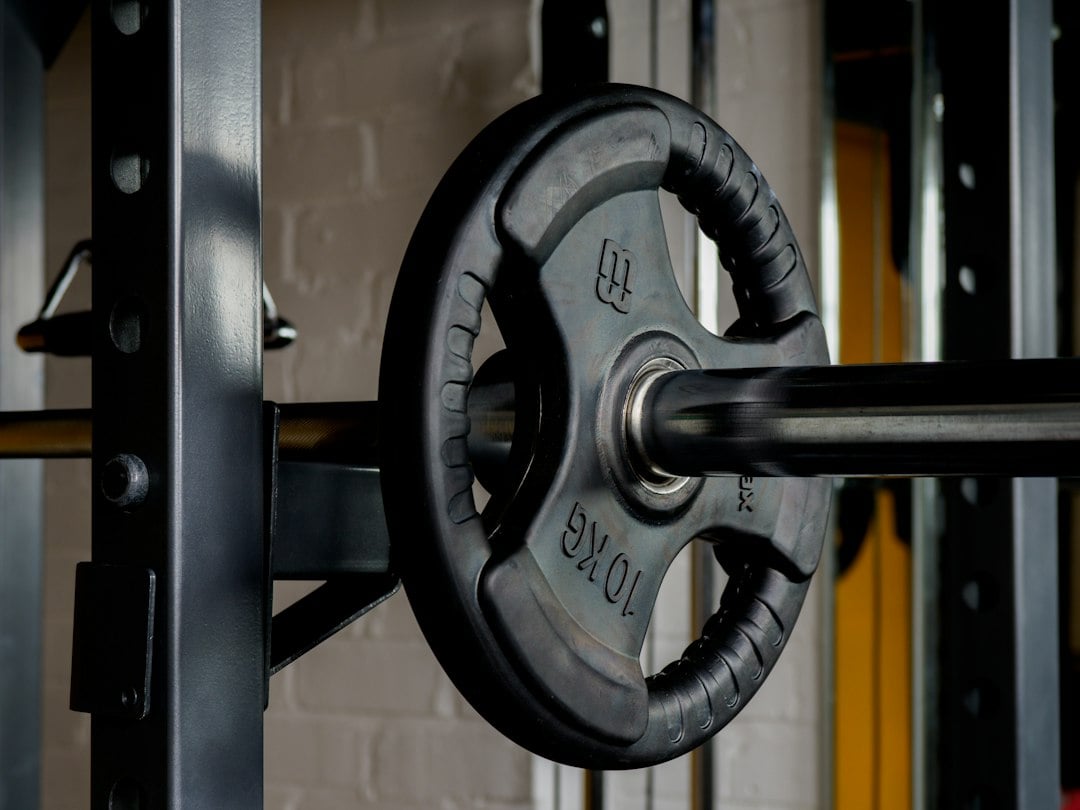
Record the rack model and revision before measuring anything. Upright dimensions, hole diameter and spacing can help identify a mismatch, but measurements do not establish the approved load path, stability or permissible use of the combination. Ask the rack and attachment suppliers to confirm the proposed assembly in writing.
The earlier opening example reversed the physical fit: a smaller sleeve cannot simply slide over a larger upright. More importantly, a larger sleeve fitting around a smaller upright would still not establish a safe or supported combination. FEX’s recommendation is to resolve compatibility at the system level instead of improvising spacers, drilling holes or borrowing hardware.
| Check | What to retain | Reason to pause |
|---|---|---|
| Identity | Rack, attachment and hardware model/revision | Unidentified rack or modified upright |
| Approved combination | Manufacturer instructions or written confirmation | Only a generic fits-standard-racks claim |
| Dimensions and engagement | Required geometry and retention details | Partial pin engagement, play or interference |
| Load and stability | Permitted use, loading, anchoring and configuration | Attachment changes use beyond the documented configuration |
| Inspection and maintenance | Applicable checks and replacement criteria | No process for damaged or worn retention parts |
Build a fleet map before standardizing
Pull the installed rack inventory, attachment list, manuals, purchase records and service findings. Photograph identification labels and record site-specific configuration. Keep the matrix with the quoting and parts teams so a compatible item for one site is not automatically sent to another.
Compare the cost of approved additions with replacement or a different layout. Include installation, storage, inspection and staff instruction. Existing serviceable racks do not need to be replaced merely to make every part number identical; equally, a lower-priced attachment is not a saving if it cannot be supported for the intended use.
Questions worth asking before a trial fit
- Which exact combinations does the manufacturer support?
- Does the attachment require anchoring, a particular base or additional clearances?
- Which rated limit applies to the assembled configuration and intended exercise?
- What does the actual warranty say about this combination?
Have qualified personnel assemble and inspect the system under the applicable instructions. Do not use a loaded trial by staff or members as an improvised proof test. Keep a unit unavailable when retention or compatibility is unresolved.
A recall check belongs in procurement, but a recall involving a different kind of machine does not validate or condemn a rack attachment. CPSC’s AMP MP2 notice concerns that identified wall-mounted product. This guide no longer uses its arm-locking defect as evidence about unrelated rack systems.
Resolve one combination at a time
- Identify all rack and attachment models in the proposed order.
- Obtain written compatibility and installation requirements for each combination.
- Record the approved configuration and give it to assembly, service and purchasing teams.
Continue with FEX
FEX editorial guidance: the decision tools and operating recommendations in this guide are FEX analysis. They are not manufacturer specifications, contractual entitlements or industry benchmarks.
Source notes
- Manufacturer manual reference example — Use the documentation for the actual rack and attachment; this directory is not compatibility approval.
- CPSC AMP MP2 recall — Retained only to clarify the limits of the earlier comparison.
Editorial update, October 7, 2026: Corrected the impossible sleeve-fit anecdote, removed irrelevant recall comparisons and stopped treating dimensions alone as proof of compatibility.