
For: strength-equipment dealers and commercial buyers
The decision: Which machine fits the intended users, room and service capability?
60-second answer: Compare exact models through manufacturer documentation and supervised trials. Plate capacity alone does not establish the resistance a user experiences through the movement.
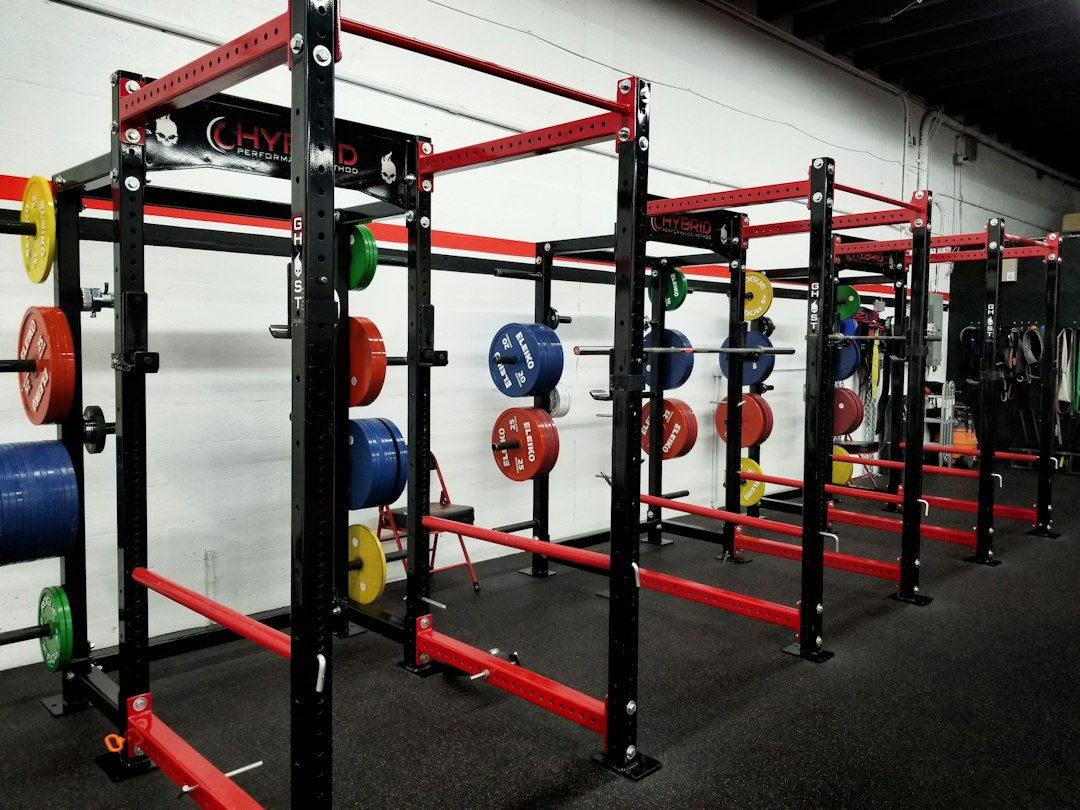
The loading sleeve is visible. The useful buying comparison also includes geometry, adjustment, operating space and support.
Define what the resistance figures mean
Ask the manufacturer what its published starting resistance, loading capacity and any resistance-curve information describe. Plate mass on a lever does not translate into a single universal force at the user interface. Do not compare two machines as equivalent solely because they hold the same number of plates.
Use a supervised trial to assess the intended users’ entry, setup, adjustment and exit within the manufacturer’s instructions. Record who could use the machine comfortably and which limitations appeared. A successful trial by one salesperson does not establish fit for an entire membership.
| Item | Evidence to collect | Buying consequence |
|---|---|---|
| User fit | Trial notes and stated adjustment range | Check the intended population before standardizing |
| Resistance | Definition of published figures and manufacturer explanation | Avoid false plate-for-plate equivalence |
| Stops and controls | Operating instructions and qualified demonstration | Resolve use and supervision questions |
| Room and installation | Operating envelope, plate access and mounting requirements | Price the actual installed layout |
| Service | Wear-part identification, access and supply terms | Include support and inspection cost |
Compare the full operating envelope
Draw the machine, moving parts, user access and loading area on the proposed plan. Check where plates are stored and how staff reach inspection points. The footprint of a stationary frame does not describe every space requirement during exercise or maintenance.
Avoid a generic ranking that declares one stop or bearing design safe and another unsafe without model-specific evidence. Have qualified staff and the manufacturer explain the approved operating procedure and inspection requirements. If a safety function is unclear or appears unreliable, do not accept it as a training preference; resolve it before use.
For a dealer, the support question begins before stocking. Request parts diagrams, current replacement prices, expected lead times and authorization requirements. Compare the cash committed to stock with the actual customer pipeline. A visually distinctive machine may justify a demo appointment before it justifies warehouse inventory.

Records to pull
Pull the exact-model specification, operating and installation manuals, sample-trial record, floor plan, parts diagram, landed quotation and likely customer demand. Keep published specifications separate from trial observations.
Questions to resolve
- How is starting resistance defined for this model?
- Which adjustments and operating limits apply to the intended users?
- Which service tasks require dealer authorization or specialist access?
What to do this week
- Use the same comparison sheet for two shortlisted models.
- Conduct a supervised fit and operation trial.
- Approve the installed layout and support plan before placing a stock order.
Related FEX resources
FEX editorial analysis: the operating framework above is a recommendation, not a manufacturer specification or an industry benchmark.
Editorial update, October 7, 2026: Removed unsupported universal force estimates and categorical design rankings.