
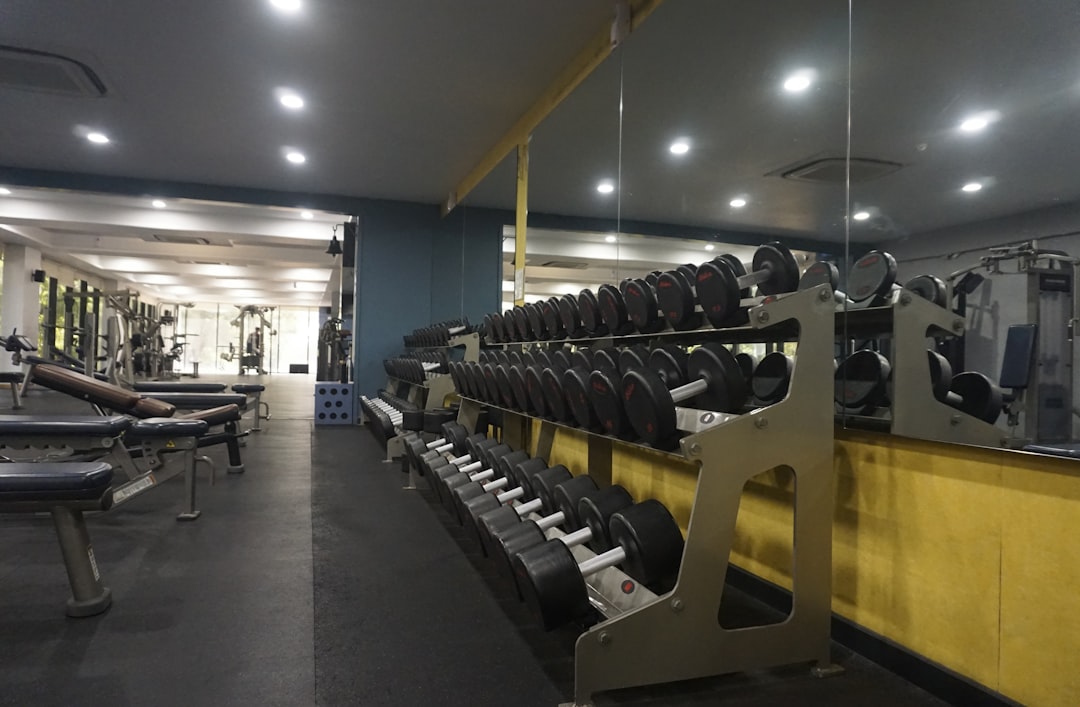

An equipment demo fleet is the most persuasive sales tool a distributor owns and the least governed asset on its books. A machine that a prospect can use for three weeks closes business that no specification sheet will, which is exactly why the placement is usually agreed in a phone call and documented afterward, if at all.
- What a demo unit is on the balance sheet
- Before the truck loads: what the placement agreement has to say
- Before the truck loads: choosing which units go out
- During the placement: the clock nobody starts
- During the placement: who services a machine that is not sold
- The day it comes back: grading before it is re-shelved
- The day it comes back: pricing the second life
- A placement scorecard for an equipment demo fleet
- Where an equipment demo fleet stops paying
- Running a placement end to end
- Questions distributors ask about demo placements
- How large should an equipment demo fleet be
- Should we charge for a demo placement
- What do we do with a unit that comes back damaged
- Can a demo unit be sold as new
- The asset that travels without paperwork
The cost of that informality does not appear until the unit comes back, or does not. By then the machine has hours on it, a scuff nobody can date, and a value that two people remember differently.
What follows is one placement, in three phases: before the truck loads, during the weeks it sits on someone else’s floor, and the day it returns.
What a demo unit is on the balance sheet
A machine held for sale is inventory. A machine placed into service to generate business starts to look like something else, and the distinction has tax consequences the sales team does not carry. The Internal Revenue Service’s Topic 704 on depreciation sets out the basic conditions for depreciable property: the business must own it, use it in a business or income-producing activity, and it must have a determinable useful life expected to last more than a year, with a Section 179 election available up to a dollar limit in the year the property is placed in service.
Whether a given unit qualifies is a question for the company’s accountant rather than for its sales director, and nothing here is tax advice. The operational point stands regardless: an equipment demo fleet is an asset class, and treating it as loose inventory is how its value disappears without an entry anywhere.
Before the truck loads: what the placement agreement has to say
Most equipment demo fleet disputes trace back to four blanks. How long the placement runs, who services the machine while it is out, what counts as damage rather than use, and what the unit costs if the prospect keeps it.
None of those requires a long document. A one-page placement agreement with dates, a named service contact, a damage standard and a conversion price resolves nearly every argument that would otherwise arrive six weeks later with an account manager caught in the middle.
Before the truck loads: choosing which units go out
The instinct is to send the newest machine, because it demonstrates best. The better rule is to send the unit the business most needs to convert, which is usually a model one generation back that is otherwise heading for a slow shelf.
Categories buyers need to touch physically deserve priority in the equipment demo fleet. Anything with a mechanism a buyer should test in person belongs on the truck, which is the argument made in our piece on why a selector should be drop-tested in the showroom rather than trusted on a spec sheet.
During the placement: the clock nobody starts
An equipment demo fleet placement has an end date in the agreement and a different end date in practice, because nobody at the distributor owns the calendar entry. The unit stays until someone notices it is gone from the warehouse, which is typically at the next physical count.
The fix is administrative rather than commercial. Every placement gets a return date entered by the person who books the outbound freight, not by the salesperson, and the warehouse runs an open-placement list at the same interval it runs its cycle counts.
During the placement: who services a machine that is not sold
A machine from the equipment demo fleet under a prospect’s members is used harder than a sold unit, because nobody at that site feels responsible for it. When it faults, the prospect calls the salesperson, and the salesperson dispatches a technician at the distributor’s cost, which is correct and should be budgeted rather than absorbed as a surprise.
Distributors carrying multiple brands should check how this interacts with their coverage obligations. The reasoning we set out on what a second line costs the parts desk for six years applies to demo stock too: every line represented in the fleet is a line the service desk has to support.
The day it comes back: grading before it is re-shelved
The single most valuable ten minutes in the cycle happen on the dock. A returning unit gets inspected, photographed and graded before it goes back into racking, because after that it is indistinguishable from new stock until a customer finds the difference.
Grading is a discipline the refurbished trade already formalized, and the same wear points apply. Our account of the three wear points that decide a machine’s second life is the right checklist to run at the dock door.
The day it comes back: pricing the second life
A unit returning from the equipment demo fleet is not new and should never be sold as new, which means the distributor needs a standing discount and a disclosure line rather than a negotiation each time. Units that sit ungraded and unpriced are the ones that age into a write-down.
Where a unit is going to a trade-in or disposition channel instead, the mechanics are the ones covered in our work on where residual value actually goes.
A placement scorecard for an equipment demo fleet
These are the fields a one-page placement agreement should carry. The default column is what happens when the field is left blank, which is the outcome most distributors are currently living with.
| Field | What to fix in writing | Default if left blank |
|---|---|---|
| Duration | A return date, entered by whoever books the freight | The unit returns at the next physical count |
| Service | Named technician and who pays for the call | Dispatched ad hoc against no budget line |
| Damage standard | Wear described, with photographs at dispatch | Two recollections and one credit note |
| Conversion price | A stated price if the prospect keeps it | A negotiation from the prospect’s position |
| Return freight | Who books it and who pays it | An unbudgeted lane at spot pricing |
| Insurance | Whose policy covers the unit on site | Discovered during a claim |
| Consumables | Who supplies belts, pads and cleaning materials | Charged to the service budget |
| Grading | Inspection at the dock before re-racking | Demo stock sold as new by accident |
Where an equipment demo fleet stops paying
An equipment demo fleet stops paying when it stops turning. Units placed for a quarter and returned in a year are not sales tools; they are depreciation with a delivery charge attached.
Category selection matters too. The Sports and Fitness Industry Association’s 2026 Manufacturers’ Sales by Category Report, published March 31, 2026, reported total industry wholesale sales near $130 billion for 2025, up 3.7 percent, with broad-based growth in institutional fitness equipment and declines across portions of the consumer and home segment. A fleet weighted toward categories that institutional buyers are actively specifying converts; one weighted toward what the warehouse happened to over-order does not.
Running a placement end to end
- Write the one-pager before the truck is booked. Dates, service contact, damage standard, conversion price. Four fields, one page, signed.
- Photograph the unit at dispatch. Time-stamped images at the dock end every damage argument before it starts.
- Put the return date in the freight system. The calendar entry belongs to logistics, not to the account manager who benefits from forgetting it.
- Review the open-placement list monthly. Any unit past its return date gets a call that week, while the relationship is still warm.
- Grade at the dock, then price. A unit re-entering the equipment demo fleet without a grade will eventually be sold as something it is not.
Questions distributors ask about demo placements
How large should an equipment demo fleet be
Size it against placements per quarter rather than against the catalog. If units are sitting in racking between placements for longer than they spend on customer floors, the fleet is too large for the sales motion it supports, whatever the range coverage argument says.
Should we charge for a demo placement
A nominal charge credited against purchase changes the prospect’s behavior more than the revenue justifies. It creates a return date the customer also recognizes, and it filters out placements that were never going to convert, which is the more valuable effect.
What do we do with a unit that comes back damaged
Grade it, price it and move it, in that order and quickly. The expensive mistake is holding a damaged demo unit at an aspirational price while it ages, since the cost of carrying it exceeds the difference between the two prices within a couple of quarters.
Can a demo unit be sold as new
No. Hours are on the machine and a buyer who discovers that later has a legitimate complaint and a service history that will not match its sale date. A standing demo discount with a disclosure line protects the relationship and prices the unit honestly.
The asset that travels without paperwork
Every other asset a distributor owns leaves the building against a document. Demo stock leaves against a conversation, which is why it is the only inventory that can age two years while appearing on a report as available. One page at dispatch and ten minutes at the dock on return is the whole discipline, and it is worth more than any single account the fleet has ever closed.