
FDA device classification is the question a dealer should ask before adding an EMS unit, a compression system or a powered therapy machine to the line card, because the same hardware can be an unregulated fitness product or a regulated medical device depending on what the seller claims it does.
- How FDA device classification turns on intended use
- The general wellness enforcement policy
- Where FDA device classification bites hardest
- Five checks before the product goes on a quote
- A worked example of the claim test
- Signals that a category needs a closer look
- Records to keep on file
- Does a recovery room need FDA clearance?
- Common mistakes
- The close
The distinction is not about voltage, price or where the machine sits on the floor. It turns on intended use, and intended use is established largely by marketing. A dealer that forwards a manufacturer’s claim sheet without reading it can inherit a problem it never built.
How FDA device classification turns on intended use
The regulations make this explicit. Powered exercise equipment is defined at 21 CFR 890.5380 as “powered devices intended for medical purposes, such as to redevelop muscles” or “restore motion to joints or for use as an adjunct treatment for obesity,” with examples that include “a powered treadmill, a powered bicycle, and powered parallel bars” (eCFR, 21 CFR 890.5380).
Read that closely. A powered treadmill is named as an example, but only when it is intended for medical purposes. The identical treadmill sold to a commercial gym for general conditioning is not captured by the section, because the medical intent is absent. The hardware did not change. The claim did.
Where the medical intent is present, the classification is still modest for this family. Section 890.5380 places these devices in “Class I (general controls)” and states that the device “is exempt from the premarket notification procedures in subpart E of part 807 of this chapter, subject to the limitations in § 890.9.” Nonmeasuring exercise equipment at 21 CFR 890.5370 follows the same pattern and adds an exemption from most of the quality management system regulation, excluding the records and complaint-file requirements.
The general wellness enforcement policy
FDA has published a route for products that stay away from medical claims. Its guidance “General Wellness: Policy for Low Risk Devices,” issued July 29, 2016, reissued September 27, 2019 and revised January 6, 2026, describes two categories of general wellness intended use: claims relating to “maintaining or encouraging a general state of health or a healthy activity,” and claims relating to “helping to reduce the risk or impact of certain chronic diseases or conditions” where healthy lifestyle choices are well accepted as playing a role.
The guidance also sets out the low-risk screen. A product falls outside the policy if the answer to any of three questions is yes: “Is the product invasive?”, “Is the product implanted?”, and does the product “involve an intervention or technology that may pose a risk to the safety of users and other persons” (FDA, General Wellness: Policy for Low Risk Devices). The guidance states that it “does not establish any rights for any person and is not binding on FDA or the public,” so it describes enforcement posture rather than a legal exemption.
Examples given in the guidance sit squarely in the fitness vocabulary. Claims “to promote physical fitness, such as to help log, track, or trend exercise activity” are listed as general wellness claims, as are claims “to promote or maintain a healthy weight.” A product “intended to monitor the pulse rate and/or oxygen saturation of users during exercise and hiking” is given as a general wellness product.
Where FDA device classification bites hardest
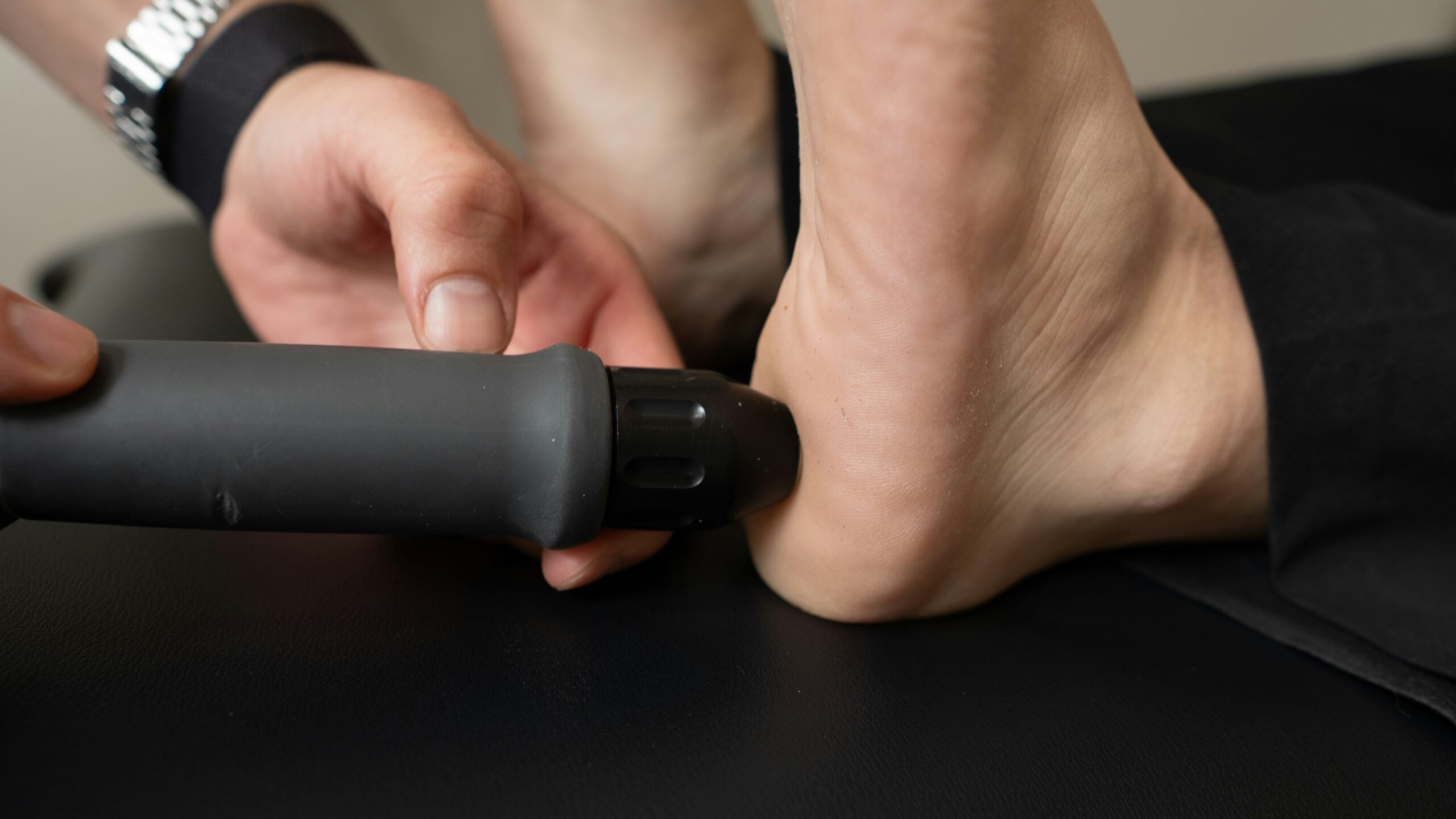
Electrical muscle stimulation is the clearest example of a category that does not get the Class I treatment. A powered muscle stimulator is defined at 21 CFR 890.5850 as “an electrically powered device intended for medical purposes that repeatedly contracts muscles by passing electrical currents through electrodes contacting the affected body area,” and the section classifies it as “Class II (performance standards).”
Class II is a different commercial proposition. It generally brings premarket notification and special controls rather than the exemption that applies to powered exercise equipment. For a dealer, the practical consequence is that an EMS training suit or a stimulation-based recovery unit should arrive with a clearance number the dealer can look up, not a brochure claim.
| Category | Regulation | Class | What a dealer should ask for |
|---|---|---|---|
| Nonmeasuring exercise equipment, medical intent | 21 CFR 890.5370 | Class I | Establishment registration and listing; labeling that matches the claim |
| Powered exercise equipment, medical intent | 21 CFR 890.5380 | Class I | Same, plus confirmation the 890.9 limitations are not triggered |
| Powered muscle stimulator | 21 CFR 890.5850 | Class II | A clearance number and the cleared indications for use |
| General wellness product, no medical claim | FDA guidance, revised 2026 | FDA does not intend to examine device status | Written claim language the manufacturer will stand behind |
Why the exemption is not the end of the analysis
A 510(k) exemption is narrower than it sounds. Both exercise equipment sections tie the exemption to the limitations at 21 CFR 890.9, which generally withdraw it when a device has a new intended use or operates on a different fundamental scientific technology than a legally marketed device in that generic type of device. A manufacturer claiming exemption for a machine with a novel mechanism should be able to explain why 890.9 does not apply.
Registration and listing are also separate obligations from premarket review. A device that is exempt from premarket notification is generally still a device, and FDA device classification determines a set of baseline duties that sit with the manufacturer rather than the dealer. The dealer’s interest is in knowing that those duties were met by someone.
Five checks before the product goes on a quote
- Read the manufacturer’s claims, not its category name. Pull the website copy, the spec sheet and the packaging. Look for words such as treat, therapy, rehabilitate, restore, relieve pain or reduce inflammation. Those are medical claims regardless of what the machine is called.
- Ask for the regulation number and class. A manufacturer that knows its product should be able to name the CFR section. One that cannot is a supplier risk before it is a regulatory one.
- Verify any clearance independently. If a Class II claim is made, ask for the submission number and confirm the cleared indications match how the machine will be sold.
- Control your own copy. A dealer that writes its own marketing can create a medical intended use the manufacturer never made. Keep the dealer’s wording inside the manufacturer’s claim set.
- Check what the buyer will say. A gym that advertises a recovery room as therapy is making its own claims. That is the operator’s exposure, but it can pull the dealer into the conversation, and it is worth raising at the point of sale.
A worked example of the claim test
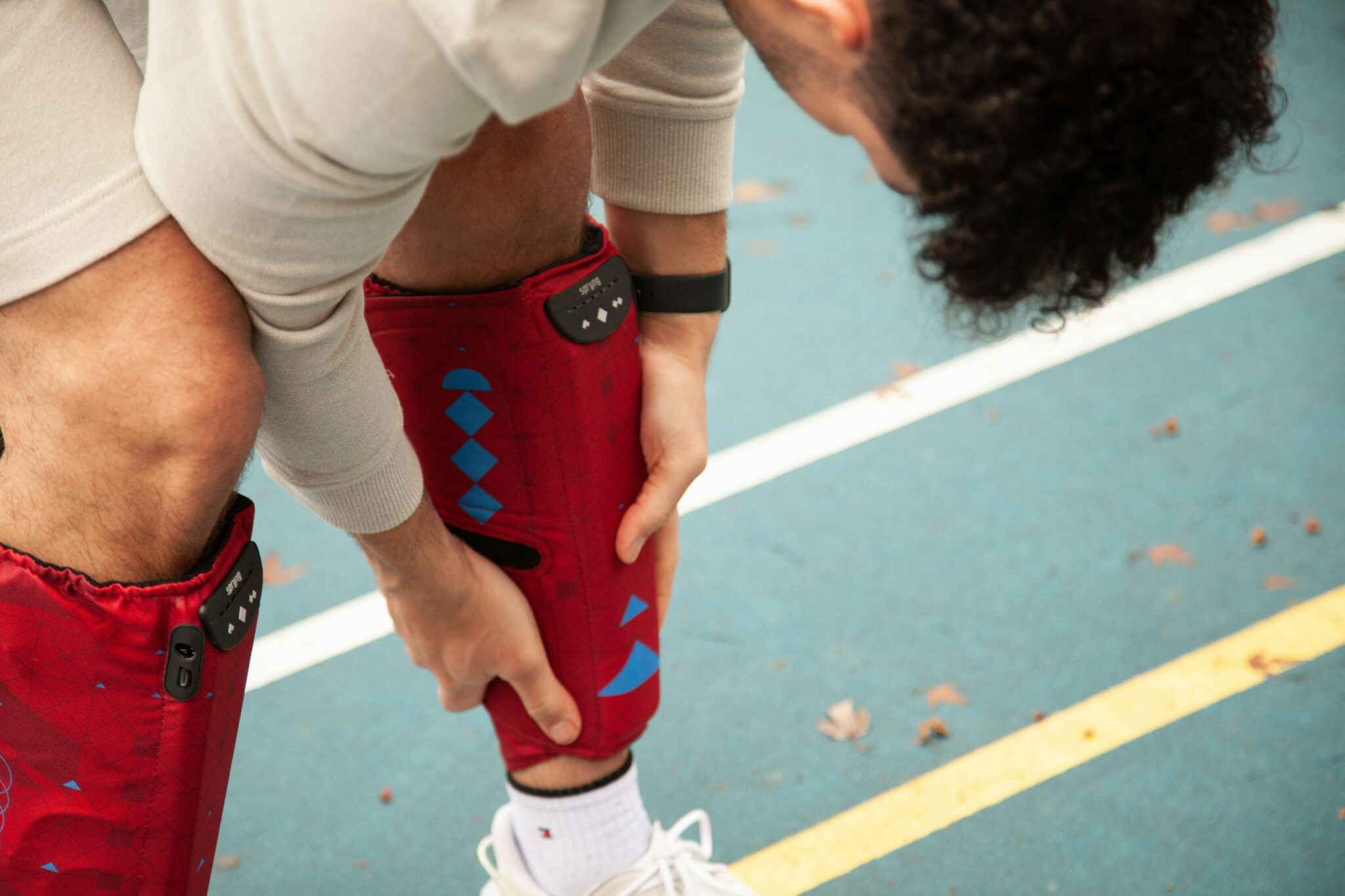
Take a single compression boot system, sold at an assumed $7,200 to a commercial gym. This figure is illustrative. Marketed as equipment that “supports post-workout recovery and general circulation comfort,” the claim set reads as general wellness under the categories in the FDA guidance. Marketed as a system that “treats lymphedema” or “relieves chronic venous insufficiency,” the same hardware carries a medical intended use and a different regulatory path.
The margin on the unit does not change between those two sentences, but the compliance obligation does. The practical control is a claims review that happens before the product is listed, not after a customer repeats the stronger sentence in their own advertising.
Signals that a category needs a closer look
Four patterns tend to show up before a problem does. Clinical vocabulary in consumer-facing copy is a common one, particularly words borrowed from physical therapy. A second is a price point far below established competitors in a Class II category, which can be a sign the compliance work was skipped. A third is a supplier that routes every regulatory question to a distributor rather than answering it. The fourth is a product whose user manual contains contraindications and warnings written in medical terms while the marketing avoids them entirely, which can indicate the manufacturer knows what the device does.
Records to keep on file
Keep the manufacturer’s claim sheet in the version current when the product was listed, dated. Keep any clearance documentation the manufacturer supplies. Keep the dealer’s own approved copy for the product, so there is a record of what the sales team was authorized to say. These three documents answer many of the questions a buyer, an insurer or a regulator is likely to ask.
This is the same discipline that governs other claim-dependent categories. Verifying a supplier’s evidence against what the label actually says is the core of checking equipment certification marks before purchase, and the treadmill origin example at the center of Made in USA label claims shows how quickly a routine marketing phrase becomes a regulated statement.
Does a recovery room need FDA clearance?
Generally the room does not, but individual machines in it might, depending on how they are classified and what is claimed for them. The analysis runs product by product and claim by claim, not room by room.
Common mistakes
The first is assuming that a product sold worldwide must be cleared in the United States. Clearance is jurisdiction-specific, and an import that arrives with a foreign conformity mark has not answered the FDA question. The second is treating the general wellness guidance as a rule. It is nonbinding and describes how FDA intends to exercise enforcement discretion.
The third is letting a demo script drift. A trainer demonstrating a stimulation unit who describes it as treating an injury has made a medical claim in the showroom. Before committing floor space to any of this, it is worth applying the same test used for deciding whether a recovery category earns the space it takes, because a category that cannot survive a claims review is not a category worth stocking.
The close
FDA device classification is a line a dealer can see in advance if it reads the claims before the catalog. Put a claims review into the product onboarding step, ask every supplier for its regulation number, and keep the dealer’s own copy inside the manufacturer’s claim set. This is general information drawn from published FDA regulations and guidance, not regulatory or legal advice, and a dealer entering these categories should confirm its position with qualified counsel.