
Within eight days at the start of September 2026, two equipment brands on opposite sides of the Pacific opened appointment-only equipment showrooms — rooms stocked with commercial hardware that no buyer can enter without booking a slot first.
- Two Openings, Eight Days, One Model
- The Booking Form Is a Qualification Tool
- Appointment-Only Equipment Showrooms Answer a Problem Trade Shows Never Solved
- Where This Leaves the Regional Distributor
- A Scorecard for Every Way Equipment Gets Demonstrated
- Costs That Never Appear in the Opening Announcement
- Demo Fleets Stop Traveling and Start Living Somewhere
- The Operator’s Side of the Same Room
- Six Moves Before You Walk Into a Booked Demo Slot
- Questions Buyers Ask About Appointment-Only Equipment Showrooms
- Are these rooms open to small independent operators
- Does a brand room replace a local distributor
- Should a supplier open one instead of exhibiting
- What should be asked about the equipment on display
- The Signal Worth Tracking
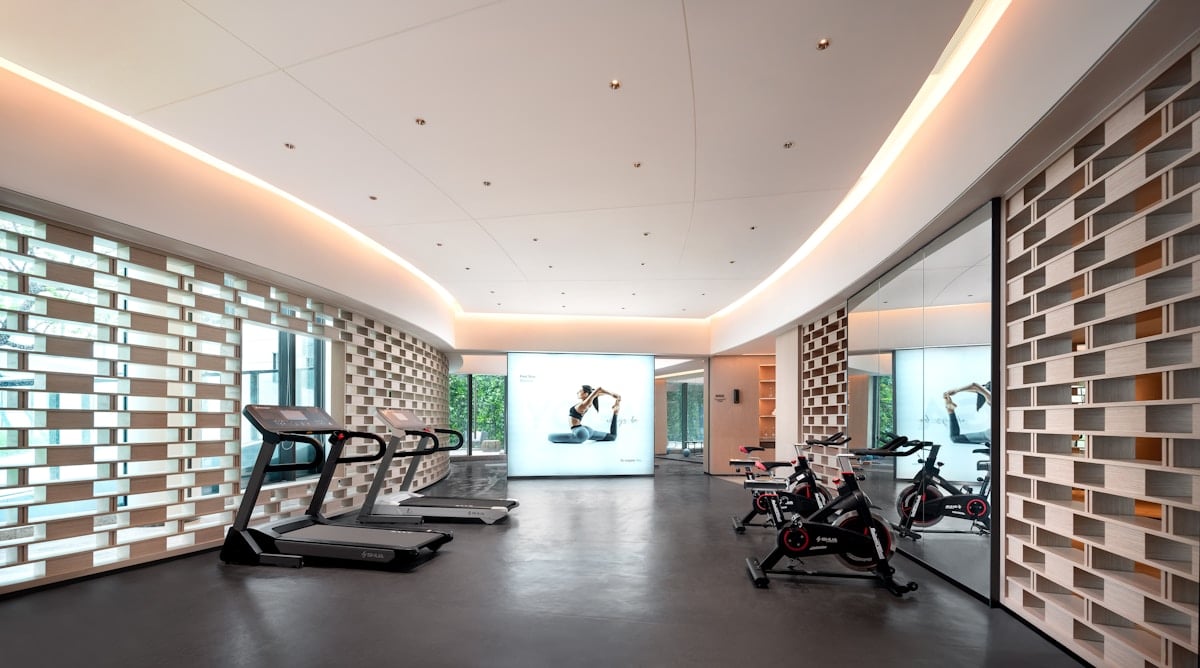
MTG opened a Nike Strength showroom in Tokyo’s Mita district on September 1. SportsArt announced a Columbus, Ohio space on September 3 that opens on September 10. Neither is a store, neither keeps walk-in hours, and both put a form between the buyer and the floor.
Two Openings, Eight Days, One Model
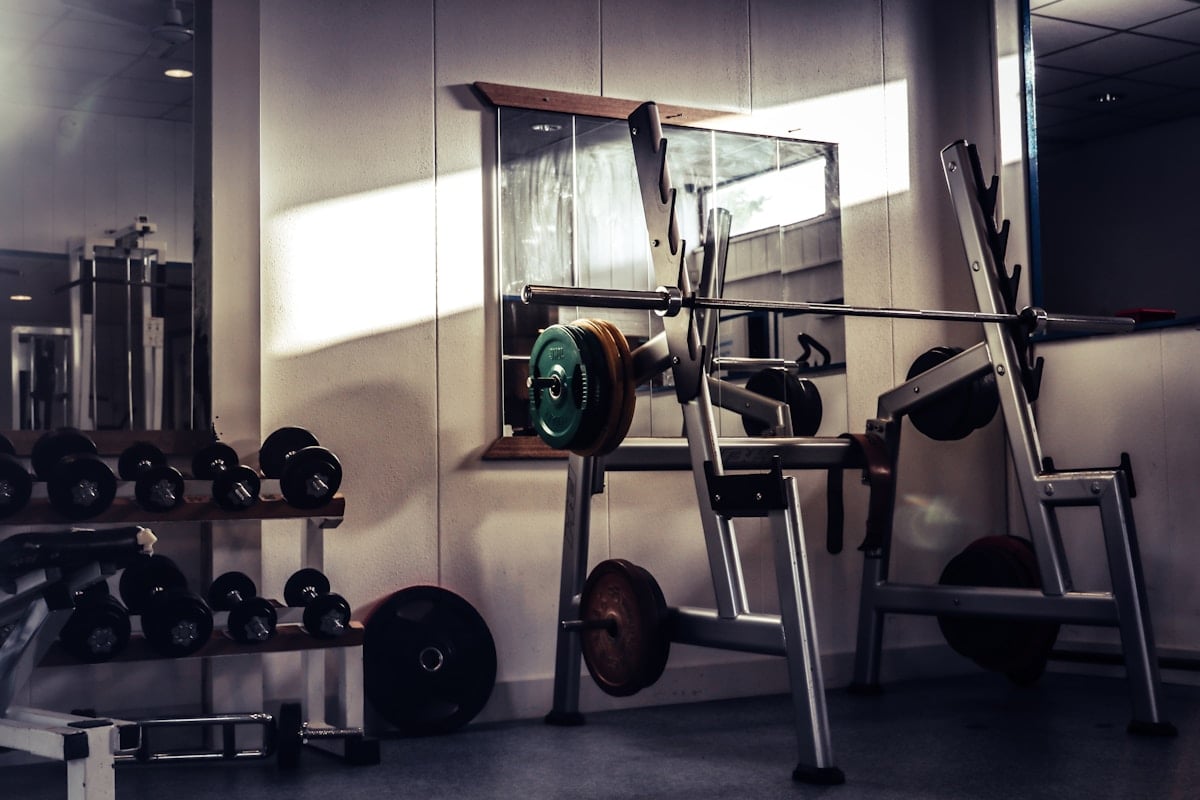
MTG’s release, dated September 1, describes a room on the third floor of the Nihon Seimei Mita Building in Minato Ward, open weekdays from 10:00 to 17:00 by reservation only. The floor carries dumbbells, kettlebells, barbells, plates, benches, racks and plyo boxes, including items sold nowhere else in Japan. MTG holds the exclusive domestic sales contract for Nike Strength, which Dimension 6 Fitness Corporation designs and manufactures under license from Nike.
SportsArt’s announcement, dated September 3, sets a September 10 opening for POWR-ZONE Columbus at 1020 Dennison Ave. Craig Lerner, founder of Involve and Involve Ventures, described the format in the release: “Powr-Zone Columbus is different from a typical fitness studio. It is not an open gym format, it’s an experience center, think tank and event space.”
The announcements share almost nothing except structure, and that structure is what makes them appointment-only equipment showrooms rather than stores. One is a distributor showing a licensed strength line. The other is a manufacturer building a live application lab around its Eco-Powr cardio, which SportsArt states converts up to 74 percent of the energy a user produces into electricity and can generate up to 220 watt-hours per hour of exercise.
The Booking Form Is a Qualification Tool
A reservation is not a courtesy. It is a data capture point that arrives before the first handshake, and it changes who gets seen and in what order. The buyer supplies facility type, timeline and often budget range before anyone loads a plate.
That is the quiet commercial argument for appointment-only equipment showrooms. A walk-in floor spends staff hours on traffic it cannot grade. A booked room spends them on a calendar the brand controls, with the specifier’s details already on file.
Appointment-Only Equipment Showrooms Answer a Problem Trade Shows Never Solved
Trade shows compress a year of product exposure into three days on carpet, with a rep who has thirty conversations queued behind yours. Nothing on that floor has run a full week of member load. The units are new, clean and quiet in ways a floor unit in week four is not — a gap covered in our piece on how demo units fail differently from floor units.
Appointment-only equipment showrooms do not fix that on their own. But a room open fifty weeks a year can hold equipment that has been used, serviced and reset repeatedly, and it can be visited twice: once at specification, once at validation. That second visit is what a booth cannot offer.
Where This Leaves the Regional Distributor
For decades the demo relationship belonged to the distributor. The local partner kept a floor, arranged the visit, absorbed the freight and earned the specification in the process. Appointment-only equipment showrooms run by the brand relocate that moment upstream.
The risk is not that a manufacturer starts selling direct. It is that the brand now owns the first physical impression and the questions asked in the room. Distributors who win on freight, install sequencing and escalation — the ground covered in our look at how freight and install decide the distributor — keep their position. Those whose only differentiator was a showroom floor have a harder argument this quarter than last.
A Scorecard for Every Way Equipment Gets Demonstrated
Each channel reveals something and conceals something else, and appointment-only equipment showrooms are one column in a wider grid. Buyers who use two channels in sequence catch more than buyers who trust one.
| Demo channel | Time to access | What it genuinely tests | What it hides |
|---|---|---|---|
| Trade show booth | Once or twice a year | Range breadth, price posture, roadmap talk | Service response, wear behavior, real footprint |
| Brand appointment room | Days, by booking | Fit, finish, adjustment ranges, staff depth | Local install capability, lead times, freight |
| Distributor showroom | Days to a week | Local stock, mixed-brand comparison | Manufacturer engineering answers |
| Reference site visit | Two to six weeks | Wear at month twelve, member behavior | Terms that operator negotiated privately |
| Loaner on your own floor | Four to twelve weeks | Throughput, cleaning time, failure modes | Little, which is why it is rarely offered |
| Video walkthrough | Same day | Console flows, dimensions, cable routing | Weight, noise, stability, adjustment feel |
| Rep visit to your site | One to two weeks | Layout fit, door and elevator constraints | The equipment, which is not present |
Costs That Never Appear in the Opening Announcement
A permanent room carries rent, fit-out, staffing, insurance and a cleaning cycle. It also carries a demo fleet that ages in place instead of returning to a warehouse for resale.
Suppliers weighing appointment-only equipment showrooms should price four lines that announcements omit: staffed hours per booked visit, the write-down on demo units held two or three years, the content that keeps the room worth revisiting, and the cost of refusing a booking from a buyer too small to justify the slot.
Demo Fleets Stop Traveling and Start Living Somewhere
A show fleet crates, ships, gets damaged, and eventually sells at a discount. A resident fleet does none of that and all of something else: it accumulates hours in front of the people deciding whether to buy it. That is a better test and a worse asset.
Operators can use this. Equipment inside appointment-only equipment showrooms has usually run longer than anything at a booth, so the questions worth asking are wear questions. Ask how many hours the unit in front of you has on it, what has been replaced, and who replaced it.
The Operator’s Side of the Same Room
A slot inside appointment-only equipment showrooms buys uninterrupted access to product staff, which is scarcer than access to product. The failure mode is arriving without a spec, spending ninety minutes being impressed, and leaving with a brochure instead of an answer.
The strongest visits treat the room as a testing bench, not a presentation. Bring the floor plan, the ceiling height, the power drops and the member profile. Push on the promises that tend to evaporate later, which our piece on first-year equipment promises that rarely reach the purchase agreement lays out in detail.
Six Moves Before You Walk Into a Booked Demo Slot
- Send the constraints ahead. Ceiling height, dock access, elevator dimensions and power availability decide more purchases than finish quality. Put them in the booking form.
- Name the three machines you will not buy. An exclusion list forces comparison rather than tour, and it exposes how a brand handles a no.
- Ask for the service map first. Who covers your ZIP code, how many technicians, what parts sit on the shelf. If that answer waits until the end, the room is a marketing asset first.
- Handle the wear parts, not the frames. Grips, pads, cable ends, belt edges and adjustment pins carry the service story. Frames almost never decide it.
- Get lead times in writing the same day. A visit produces goodwill, and goodwill decays. Ask for dated lead times before you leave the building.
- Book the second visit during the first. Validation after specification is the whole advantage of a permanent room over a booth.
Questions Buyers Ask About Appointment-Only Equipment Showrooms
Are these rooms open to small independent operators
Both September openings state broad audiences. MTG’s release names individual customers and commercial facilities, and SportsArt’s Columbus space is positioned for fitness professionals and programming partners. Small operators should book anyway and state facility size honestly, since a brand that only wants chain volume will reveal that quickly.
Does a brand room replace a local distributor
Not on current evidence. The rooms handle specification and product education. Freight, install sequencing, punch lists and same-week service still sit with whoever holds local capacity within driving distance of your building, and that remains by some margin the harder capability to build or to copy.
Should a supplier open one instead of exhibiting
Treat them as different jobs. A show generates first contact at volume across many markets, while a permanent room deepens contact in one. Suppliers with concentrated regional demand and a service bench nearby have the strongest case for the second option.
What should be asked about the equipment on display
Ask for run hours, replaced components and service intervals on the specific units present. Resident demo equipment carries real use history, and a brand willing to disclose it is telling you something useful about how it will handle your service file later.
The Signal Worth Tracking
Two openings eight days apart is a coincidence. A pattern would be a third and fourth room in the next two quarters, each in a metro with concentrated commercial demand. Watch which brands build them, which distributors keep the specification anyway, and whether appointment-only equipment showrooms start carrying used and serviced units rather than showroom-fresh ones. That shift would change how suppliers shrink an order before quoting it.
Sources: SportsArt’s POWR-ZONE Columbus announcement and MTG’s Nike Strength showroom release.