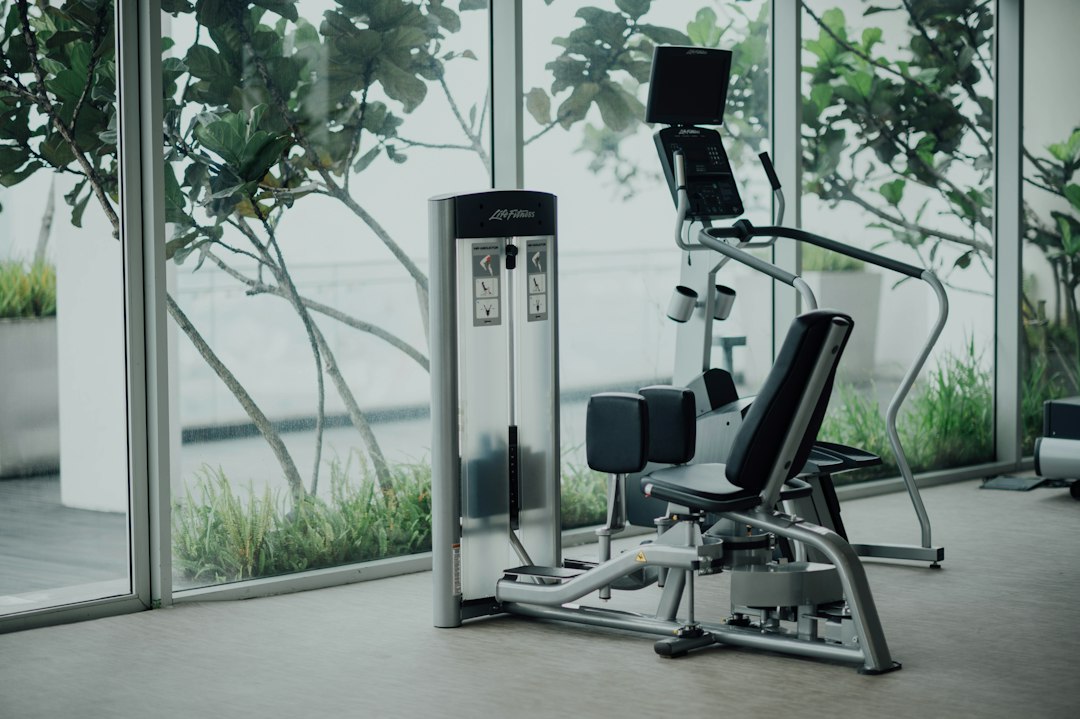

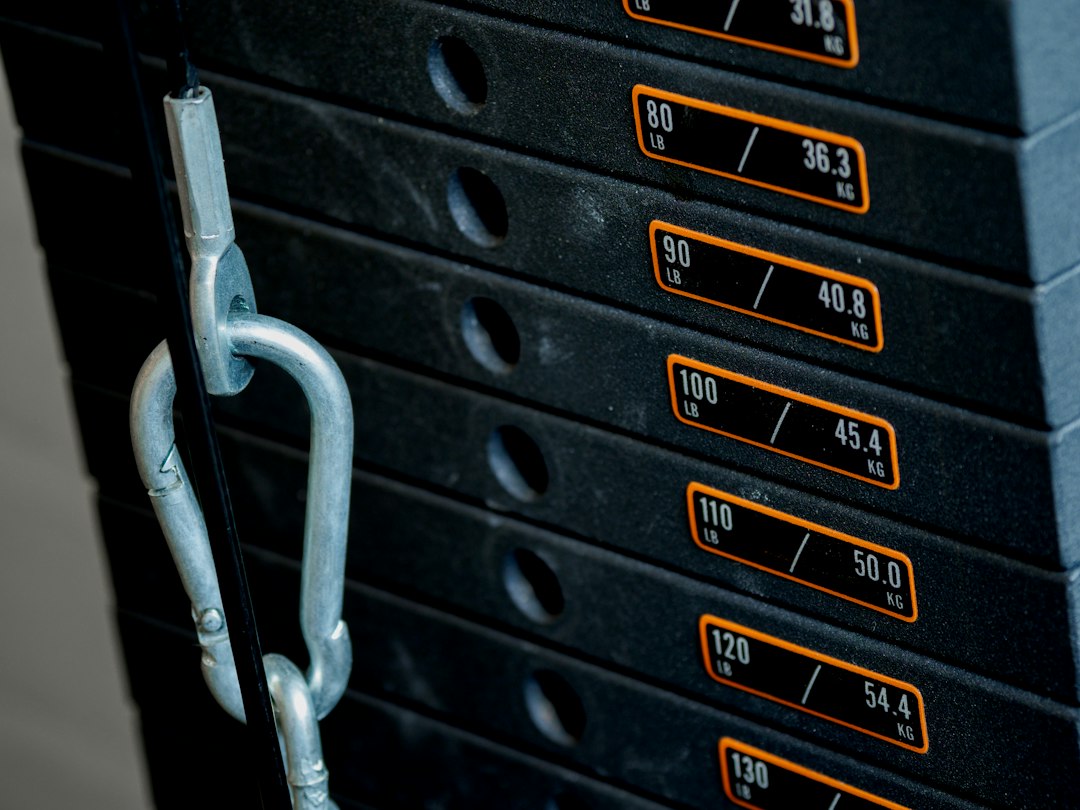
A weight stack has one advantage that never appears on a specification sheet, which is that it cannot stop working, and digital resistance machines give that advantage up in exchange for things buyers should price explicitly.
- What the category actually replaces
- Question one: what happens to the load when power fails
- Question two: who can service the resistance unit
- Question three: what digital resistance machines cost to keep licensed
- Questions four and five: standards, listing and the recall record
- An evidence table for digital resistance machines
- Questions six and seven: firmware cadence and data ownership
- Question eight: what the machine is worth in year six
- Specifying digital resistance machines without betting the floor
- Questions operators ask before buying electronic resistance
- Do digital resistance machines hold up in a 24-hour club?
- What happens if the manufacturer stops supporting the software?
- Can a regular equipment technician service electronic resistance?
- What the category is actually asking you to buy
The exchange is often worth making. Electronic load control produces eccentric overload, per-rep adjustment and usable strength data that a pin and a stack cannot. The mistake is treating the decision as a product comparison when it is really a service and dependency decision. What follows is eight questions, each paired with the evidence that answers it.
What the category actually replaces
Strip away the interface and these machines replace one mechanical component with three: a motor or electromagnetic brake, a controller, and software that decides how much force reaches the handle. The frame, cables and bearings remain conventional and wear conventionally.
That split matters because it predicts where failures land. Nothing about digital resistance machines changes how a cable frays or how a bearing fails. Everything changes about what happens when the component that sets the load stops agreeing with the component that displays it.
Question one: what happens to the load when power fails
Ask for the behavior in writing, then ask to see it. A machine that releases resistance progressively to zero on power loss is safe in a way that a machine holding load or dropping it instantly is not, and the difference is a design decision rather than an accident.
This is the single question most often skipped in a showroom, because power is never interrupted in a showroom. Ask the manufacturer to demonstrate a cut during a rep, at load, and repeat that test on every model of digital resistance machines under consideration.
Question two: who can service the resistance unit
The answer separates the category into two businesses. If the resistance module is field-replaceable, carries a published part number and can be swapped by a competent technician, service looks like conventional strength equipment with an extra part on the shelf.
If the unit returns to the manufacturer, or if diagnosis requires proprietary software on a laptop only the maker holds, then every fault becomes a freight event with a lead time attached. Ask which of those two the machine is before asking anything about price.
Question three: what digital resistance machines cost to keep licensed
Hardware is bought once and software is bought forever. Get the post-warranty software position in the quote: what the annual fee is per machine, whether it escalates, what stops working if it lapses, and whether the machine reverts to a basic operating mode or stops entirely.
Operators who have run digital resistance machines for three or more years consistently report that the license line, not the service line, is what changed the payback calculation. The recurring cost of consoles and platforms is covered separately in what the screen on top of the hardware bills every month.
Questions four and five: standards, listing and the recall record
Powered exercise equipment sits under a different electrical standard from a plate-loaded rack. UL 1647, the Standard for Motor-Operated Massage and Exercise Machines, applies to machines in which the motion of an operating part is produced by electrical means, and its sixth edition carries a 2026 publication date; the requirements do not apply to appliances rated above 250 volts. Ask which listing mark is on the unit itself, not on a component inside it.
The recall record is the second piece of evidence, and it is public. In recall 26-150, announced December 18, 2025, Amp Fit recalled about 1,900 AMP MP2 smart fitness machines because the arm did not lock properly and could swing unexpectedly. CPSC recorded ten reports of the locking mechanism failing, resulting in lacerations to the head and bruising. Notably, the defect was mechanical rather than electronic, which is the useful lesson: new categories fail at the joints between old parts and new ones.
An evidence table for digital resistance machines
Each row pairs one question with the answer that works on a commercial floor and the answer that should slow a purchase down. Take the answers in writing, because showroom answers and contract answers differ.
| Question | Answer that works | Answer that should worry you |
|---|---|---|
| Load behavior on power loss | Resistance releases progressively to zero | Load holds, or drops instantly |
| Resistance unit service | Field-replaceable module, published part number | Whole machine returns to the maker |
| Software cost after warranty | Fixed annual fee, stated in the quote | Per machine per month, uncapped |
| Electrical listing | Listing mark on the finished machine | Component-level certificate only |
| Firmware update control | Scheduled, deferrable, rollback supported | Silent overnight push to the fleet |
| Training data export | Documented export in a standard format | Accessible only inside the vendor portal |
| Resale and transfer | License transfers with the machine | License tied to the original account |
Questions six and seven: firmware cadence and data ownership
Firmware on digital resistance machines is not a console cosmetic; it governs the force the member feels. A fleet running four versions is a fleet where the same selection produces different work, and members notice that before management does.
Insist on scheduled updates, a deferral window and a rollback path. Data ownership is the companion question, and it is settled in the contract rather than the brochure, which is the argument made in who actually owns connected equipment data and in what happens when consoles update themselves overnight.
Question eight: what the machine is worth in year six
A plate-loaded station has a residual value that anyone can estimate, because a rack is a rack. An electronically controlled machine whose software license is tied to the original purchaser has a residual value close to its scrap weight, and the refurbishment trade prices that honestly.
Ask whether the license transfers on sale. If it does not, the disposal assumption in your depreciation schedule is wrong, and the correction belongs in the business case rather than in a surprise six years out.
Specifying digital resistance machines without betting the floor
Five steps, each producing something written that survives a change of staff.
- Buy one, not twelve. Place a single unit on the busiest part of the floor for ninety days before committing the category. Demo units never fail the way floor units do.
- Put the power-loss behavior in the purchase agreement. Describe the required behavior in a sentence and require the manufacturer to confirm it applies to the delivered configuration.
- Get the parts list and the license schedule together. A quote without both is incomplete, and digital resistance machines are the category where the missing half is always the expensive one.
- Name the service path. Identify who diagnoses a fault, what software they need, where the module comes from and what the published lead time is.
- Write the exit. License transfer on resale, data export on termination, and the minimum function the machine retains if the software relationship ends.
Questions operators ask before buying electronic resistance
Do digital resistance machines hold up in a 24-hour club?
The mechanical parts hold up about as well as conventional equipment, because the frame and cables are conventional. The variable is heat and duty cycle on the resistance unit, which is worth asking about directly: request the continuous duty rating and the ambient temperature range, and compare them against the warmest corner of your floor in August.
What happens if the manufacturer stops supporting the software?
With digital resistance machines, that depends entirely on a clause most buyers never request. Ask for a written statement of the minimum function the machine retains without a live software relationship. If the honest answer is that the machine becomes unusable, the purchase is a subscription with hardware attached, and should be evaluated on those terms.
Can a regular equipment technician service electronic resistance?
Sometimes, and the answer is knowable in advance. If diagnosis needs proprietary software, if the module is not sold as a part, or if the maker restricts service to its own network, the answer is no regardless of your technician’s ability. Confirm it before the order, when the answer is still negotiable.
What the category is actually asking you to buy
Not a better machine. A different relationship, in which part of the equipment lives on someone else’s release schedule and some of its function depends on a live agreement. That can be an excellent trade for the training benefit, and floors are proving it. It just has to be priced as what it is, which is why digital resistance machines belong in a business case beside the certification and paperwork checks set out in what a certification mark does and does not prove.