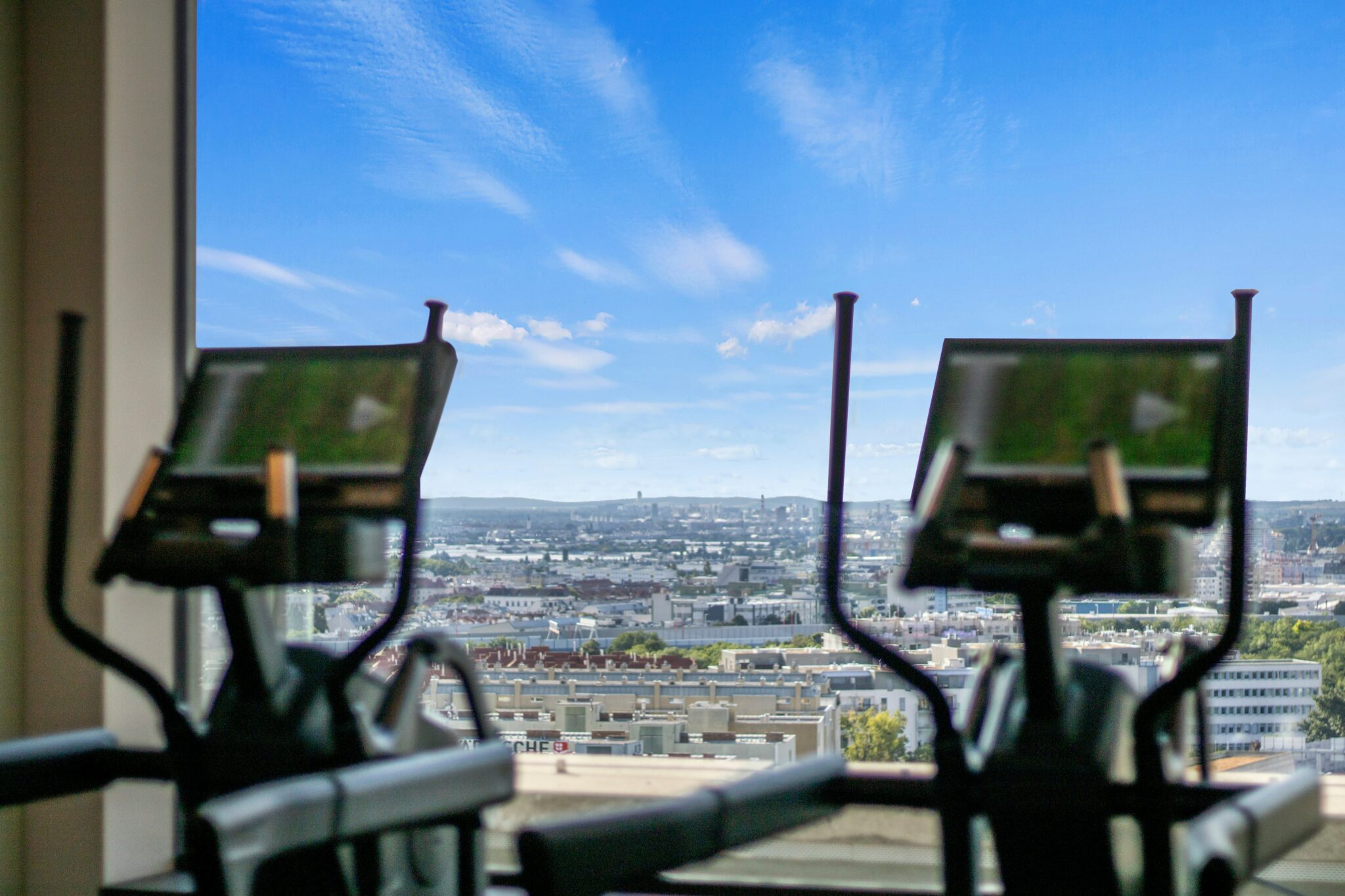

FCC equipment authorization is the quietest line item in a connected cardio purchase, and an easy one to leave out of a specification until a container is held. Every treadmill console with Bluetooth, every wireless heart-rate receiver and every tablet-style display in a commercial order is a radio frequency device in the Commission’s terms. Under 47 CFR Part 2, Subpart K, such a device may be imported only if it meets one of the eleven conditions listed in section 2.1204.
Dealers who import directly, private-label a console, or assemble a system from parts carry more of this obligation than the purchase order usually shows. The rules decide who is answerable to the Commission, what has to be printed on the machine, and what documentation the ultimate consignee must be able to produce on request. This guide sets out the two authorization routes, the import conditions that matter on a commercial order, and six checks to run before a purchase order goes out.
The two routes an FCC equipment authorization can take
There are two procedures, and which one applies is not a free choice. Under 47 CFR 15.201(b), with stated exceptions, “all intentional radiators operating under the provisions of this part shall be certified” “by the Telecommunication Certification Bodies” “prior to marketing,” so the Bluetooth radio in a connected console travels under certification rather than under a self-declaration. Certification is a grant issued by a telecommunication certification body, and the responsible party is, in the words of 47 CFR 2.909(a), “the party to whom that grant of certification is issued.” Supplier’s Declaration of Conformity, or SDoC, is described in section 2.906 as a procedure in which the responsible party itself makes measurements or completes other Commission-acceptable procedures to show compliance.
The difference that matters commercially is who answers for the product. Under section 2.909(b), the SDoC responsible party is “the party responsible for the compliance of the equipment with the applicable standards” and must be located in the United States. The manufacturer is normally that party, or the assembler where a system is put together from component parts, and for imported equipment the importer is responsible.
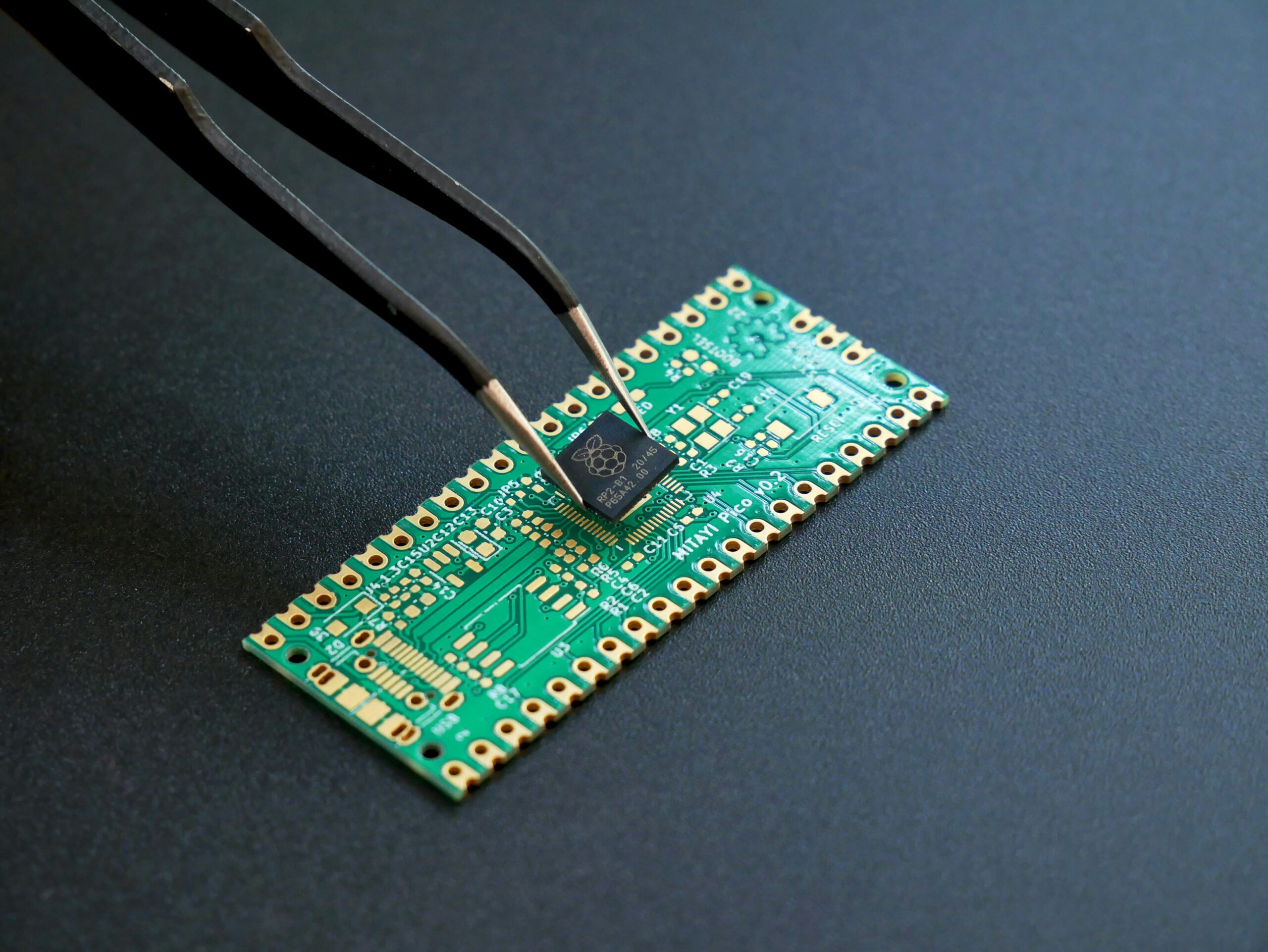
So a dealer who imports an SDoC device becomes the party the FCC looks to. The Commission’s own guidance notes that it may request samples and test records from that party. A dealer importing a certified device is in a different position: the FCC states that an importer may rely on the foreign manufacturer to obtain the grant, though a grant that is later revoked or withdrawn would bar importing, marketing or selling the product in the United States.
| Question | Certification | Supplier’s Declaration of Conformity |
|---|---|---|
| Who is the responsible party | The grantee named on the grant | The manufacturer, assembler or, for imports, the importer |
| Must that party be in the United States | Not necessarily | Yes, under section 2.909(b) |
| Is there an FCC ID | Yes, validated and granted | No FCC ID is issued under this procedure |
| What a dealer should collect | Grant number and FCC ID, tied to the model | Compliance documentation naming the responsible party and its US contact |
| Who the FCC may ask for samples | The grantee | The responsible party, which may be the dealer |
What has to be on the machine
Identification rules are specific and easy to check on a receiving dock. Section 2.925(a)(1) requires an FCC Identifier made up of the two elements in the order specified in section 2.926, and provides that “The FCC Identifier shall be preceded by the term FCC ID in capital letters on a single line.” Section 2.925(d) provides that “the nameplate or label shall be permanently affixed to the equipment.”
Two further provisions catch private-label programs. Section 2.926(e) provides that no FCC Identifier may be used on equipment to be marketed unless that specific identifier has been validated by a grant of equipment certification, and that it may not be placed on the equipment without authorization by the grantee. Borrowing a supplier’s FCC ID for a rebadged console is therefore not a shortcut a dealer can take on its own authority.
There is also a procurement gate worth knowing. Section 2.903(a) provides that “All equipment on the Covered List … is prohibited from obtaining an equipment authorization under this subpart.” Where a console or its wireless module comes from a vendor whose equipment appears on that list, the authorization route is closed rather than merely difficult. Section 2.903 was amended at 91 FR 57801 on September 11, 2026, and now also reaches a device that incorporates both a covered modular transmitter and a logic-bearing hardware component produced by a Covered List entity, where that entity producing the whole device would have barred it. Section 2.903(c) applies the prohibitions to equipment subject to certification, to Supplier’s Declaration of Conformity, and to exemption from authorization alike.
When an FCC equipment authorization is needed to import
Section 2.1204 sets out the conditions under which a radio frequency device may be imported, and three of them recur in this industry. A device that holds a valid FCC equipment authorization may be imported. Section 2.1204(a)(3) allows “4,000 or fewer units” to be brought in only for testing or evaluation, and section 2.1204(a)(4) allows “400 or fewer devices” only for demonstration at a trade show, with the FCC noting that those quantity limits can be exceeded only with written approval from the Chief of its Office of Engineering and Technology.
A fourth condition matters to dealers who pre-sell a new model. Certified-type devices may be imported before sale up to 12,000 units per FCC ID, subject to conditions, and the device or its packaging must carry a temporary label stating that it “cannot be delivered to end users, displayed, or operated” until it receives FCC certification. Showroom display of such a unit is precisely what that label forbids.
One piece of good news: there is no FCC form to file at import. The Commission required Form 740 before July 1, 2016 and eliminated that requirement as of November 2, 2017. The obligation that replaced it is documentary readiness, and the FCC states that the ultimate consignee must be able to provide authorization documentation to Customs or to the Commission on request.
The cost of getting this wrong is mostly time. The figures here are illustrative assumptions rather than industry data: assume a 40-unit cardio order invoiced at $92,000, a two-week hold while documentation is assembled, and a facility opening date already fixed. Ten working days of an install crew booked at an assumed $1,800 a day is $18,000 of idle capacity, before any storage or demurrage. The documentation that would have prevented it costs nothing to request at quote stage.
That asymmetry is the argument for treating this as a purchasing control rather than a compliance afterthought. A dealer cannot inspect radio compliance into a machine after it lands, and a supplier has little reason to volunteer an awkward answer. The leverage sits entirely in the questions asked before the order is placed.
Six checks before the purchase order
- Ask which procedure applies, model by model. Certification and SDoC produce different evidence, and a supplier answering “it is FCC compliant” has not answered the question.
- Get the FCC ID in writing and match it to the model and the module. A console family can carry more than one wireless module across production years.
- Name the responsible party in the contract. If the device travels under SDoC and your business is the importer, you are generally that party, and the contract should say who holds the test records.
- Inspect the first unit’s label on arrival. Check that the identifier is permanently affixed and preceded by FCC ID on a single line, as section 2.925 requires.
- Clear private-label artwork with the grantee before printing. Written authorization to use the identifier belongs on file, not in a conversation.
- Check the Covered List before you commit to a wireless module. This is cheaper to do at specification stage than after a container arrives.
Records to keep, and what to watch
Keep a one-page compliance record per model: procedure, FCC ID or SDoC documentation, responsible party and its United States contact, the module part number, and the date you verified it. Attach it to the model record rather than the purchase order, because the model outlives the order. Dealers already running a model-level evidence file for safety marks can extend it, and our guidance on verifying certification marks against the model, standard and evidence uses the same structure.
Three situations deserve a second look. A mid-production module change without a new FCC ID, a rebadged console whose label still carries the original manufacturer’s identifier, and a demonstration unit that quietly moved from a trade show onto a showroom floor. Each of these is visible on a receiving inspection if someone is looking.
Two common mistakes round this out. The first is treating FCC equipment authorization as the supplier’s problem when the dealer is the importer of record, which the SDoC rules do not support. The second is assuming an authorization covers later firmware, when a change to radio parameters can affect the basis of the original grant. Where a supplier pushes console updates remotely, the version discipline in our note on controlling firmware versions, rollback and support lifecycle is the practical control.
Where to read the rules
Two primary sources carry almost everything above: the FCC’s guidance on importing radio frequency devices and the regulations themselves at 47 CFR Part 2, Subpart J. Read them before a first direct import rather than after a hold, and take advice from a compliance consultant or counsel where a private-label or assembled-system question turns on who the responsible party is.
The practical close is short. On the next connected-equipment order, add two lines to the specification sheet: the authorization procedure and the FCC ID or SDoC document reference. Those two lines, asked at quote stage, settle the FCC equipment authorization question before anyone has paid freight, and they sit naturally alongside the network questions in our connected cardio security checklist.