
On most replacement projects equipment decommissioning is a single sentence in a contract, and that sentence is doing more work than anyone reading it realizes.
- The Sentence in the Contract That Creates the Problem
- Equipment Decommissioning Starts Before the Replacement Is Ordered
- Before: Building the Asset List That Does Not Exist Yet
- Before: Sorting the Fleet Into Four Destinations
- Before: The Battery Question Nobody Asks
- During: The Removal Day Itself
- During: Chain of Custody and the Paper You Keep
- After: What Equipment Decommissioning Leaves on the Books
- Four Destinations and What Each One Requires
- A Five-Step Sequence for the Removal Window
- Questions Operators Are Asking
- Who is responsible for equipment decommissioning under a supply contract
- Can old machines simply go in a scrap container
- Does a trade-in remove the disposal obligation
- How long should disposal records be kept
- The Obligation Follows the Machine
The sentence usually says the supplier will remove the existing equipment. It does not say where the equipment goes, who holds the obligation once it leaves, or what happens to the electronics inside it.
The Sentence in the Contract That Creates the Problem
Removal and disposal are different activities. Removal is labor and a truck. Disposal is a regulated destination with records attached, and it is the part that survives the project.
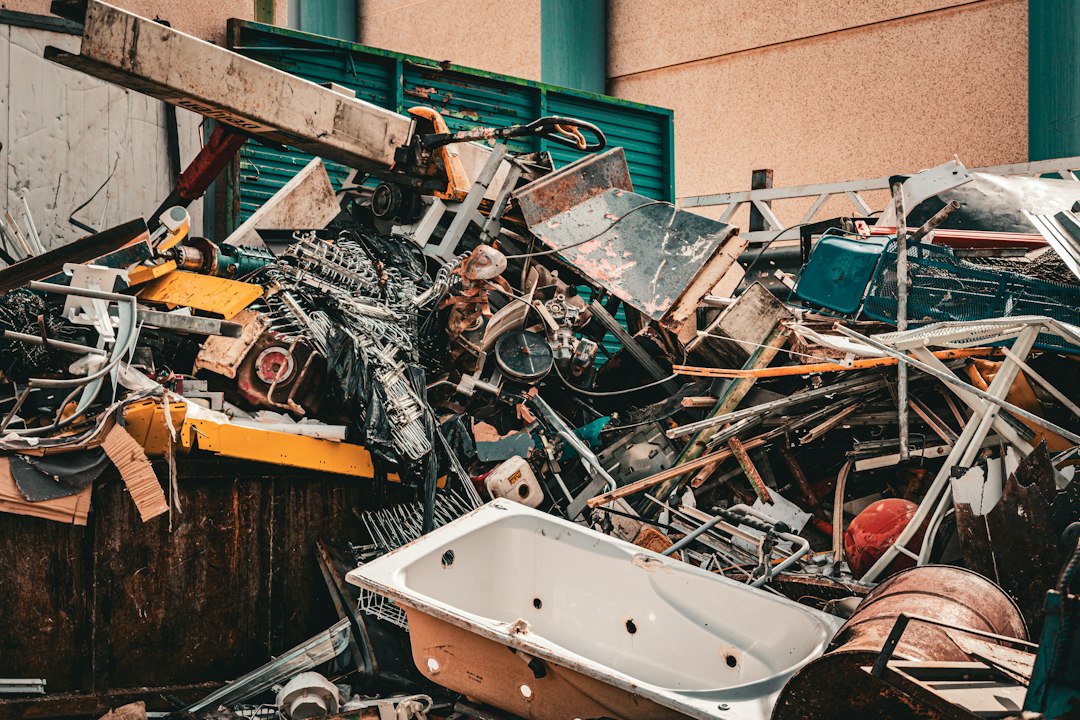
When a contract names removal only, the machines are taken away and the disposal decision is made informally by whoever is holding them at four in the afternoon. That is how a console with a lithium cell ends up in a scrap container.
Equipment Decommissioning Starts Before the Replacement Is Ordered
The useful moment to plan this is while the new order is being specified, not on the day the truck arrives. Three things are still possible then and impossible later: a real asset list, a sorting decision per machine, and a negotiated removal price.
Once the replacement equipment is on a truck, the removal becomes a schedule problem and every option collapses into the cheapest one available that afternoon.
Before: Building the Asset List That Does Not Exist Yet
Most facilities cannot produce a serial-level list of what is on the floor. Fixed asset registers name purchase batches, not machines, and service records live with whoever performed the work.
Walk the floor and photograph every serial plate. It takes an afternoon and it is the single document that makes the rest of equipment decommissioning possible, because every downstream destination wants serial numbers: the trade-in credit, the refurbisher’s grade, the electronics recycler’s certificate and the insurer’s write-off.

Before: Sorting the Fleet Into Four Destinations
A retired fleet is never one pile. It sorts into resale, refurbishment, materials recycling and regulated waste, and most machines contribute to more than one because a stripped frame and its console go different ways.
Sorting per machine rather than per batch is where equipment decommissioning recovers money. A unit with a documented service history and a sound frame carries real secondary value, as our work on grading tiers in the refurbished market describes. The same unit, undocumented and mixed into a scrap lot, is worth its weight in steel.
Trade-in is the fourth path and the easiest to mishandle. Our note on where trade-in credit actually lands covers the arithmetic that decides whether it beats resale.
Before: The Battery Question Nobody Asks
Consoles, wireless receivers and self-generating drivetrains contain cells, and the rules that apply to them are federal, specific and widely unknown in this trade.
The Environmental Protection Agency states in its lithium-ion battery recycling guidance that most lithium-ion and lithium primary batteries in use today are likely to be hazardous waste due to ignitability and reactivity, and that businesses generating them must make that determination and manage them accordingly.
The same guidance confirms that both rechargeable lithium-ion and single-use lithium primary batteries can be managed as universal waste, a streamlined route that does not require a hazardous waste manifest but does require the material be sent to a permitted hazardous waste disposal facility or a hazardous waste recycler. Accumulation requirements differ for handlers holding under and over 5,000 kilograms.
Machines with generating drivetrains, covered separately in our piece on the payback math behind energy-producing cardio, deserve a specific question at purchase about what is inside them and who takes it back.
During: The Removal Day Itself
Removal day compresses decisions. The crew wants to load, the floor has to reopen, and every machine that has not been sorted in advance gets sorted by convenience.
Three controls keep equipment decommissioning honest on the day. Mark each unit with its destination before the crew arrives, using tape and a letter code. Separate consoles and batteries from frames before anything is loaded. Keep one person on the floor whose only job is the list, checking serials against destinations as units leave.
During: Chain of Custody and the Paper You Keep
EPA’s consumer-facing guidance on used lithium-ion batteries warns that cells damaged or crushed in transport or in sorting equipment create a fire hazard, and that even used batteries can hold enough energy to injure or start fires. It advises isolating terminals with non-conductive tape and bagging cells individually.
Those are household instructions, but the physics is identical in a warehouse. A crew that tapes terminals and bags cells is not being fussy. It is preventing the one incident in this whole process that can burn a building.
Keep the weight tickets, the recycling certificates and the trade-in memo in the same file as the asset list. The value of equipment decommissioning records shows up years later, in an insurance question or an audit, not in the week the work is done.
After: What Equipment Decommissioning Leaves on the Books
Retired assets do not disappear from accounting because they left the building. A written-off machine still needs a disposal date and a destination to close cleanly.
For public buyers this is not optional. Agencies running the process described in our piece on public equipment solicitations generally require documented disposition of surplus property, and a supplier who can produce certificates by serial number is a materially easier partner than one who cannot.
Four Destinations and What Each One Requires
| Destination | What goes there | Paperwork to keep | Common mistake |
|---|---|---|---|
| Trade-in to the supplier | Late-cycle units with sound frames | Credit memo naming serial numbers | Credit quietly absorbed by freight |
| Secondary market resale | Units with documented service history | Bill of sale and transferred service log | Selling before club software is cleared |
| Certified refurbisher | Sound frames with spent wear parts | Written grading agreement and pickup manifest | No agreed definition of each grade |
| Scrap metal recycler | Stripped frames, stacks and plates | Dated weight ticket | Sending consoles still attached |
| Certified electronics recycler | Consoles, displays, control boards | Certificate of recycling listing serials | Treating electronics as ordinary scrap |
| Universal waste handler | Lithium cells and battery packs | Handler records and shipment record | Leaving cells inside the console |
| Donation to a nonprofit | Working units with useful life left | Transfer receipt and liability release | No release and no serial list |
A Five-Step Sequence for the Removal Window
- Photograph every serial plate before anything is quoted. One afternoon produces the document every downstream destination will ask for. Without it, each destination reprices the work in its own favor.
- Sort per machine and mark the floor. Assign each unit a destination code in advance and tape it to the frame. A crew that has to make decisions is a crew making them by convenience.
- Separate electronics and cells before loading. Consoles and batteries leave on a different path from frames. Tape terminals, bag cells, and load them last so nothing is crushed underneath a weight stack.
- Quote removal and disposal as two lines. Removal is labor and freight; disposal is destinations and certificates. A single combined number hides which of the two was actually performed.
- File the certificates with the asset list. Weight tickets, recycling certificates, trade-in memos and the release for anything donated. That file closes the equipment decommissioning project and answers questions nobody has asked yet.
Questions Operators Are Asking
Who is responsible for equipment decommissioning under a supply contract
Read the words rather than the intent. A clause promising removal commits the supplier to labor and a truck, not to a regulated destination or to records. If disposal matters to you, name it separately, require certificates by serial number, and price it as its own line. Silence on disposal defaults the obligation back to the generator.
Can old machines simply go in a scrap container
Stripped frames, weight stacks and plates generally can, and the weight ticket is worth keeping. Consoles and anything holding a cell should not, because EPA treats most lithium batteries as likely hazardous waste and routes them through universal waste handling. Separating the two takes minutes per machine and removes the whole risk.
Does a trade-in remove the disposal obligation
Usually yes in practice, since the supplier takes title, but get that in writing rather than assuming it. A trade-in memo naming serial numbers and stating transfer of title is what makes the obligation genuinely move. An invoice line reading credit for old equipment does not establish who holds the machines afterward.
How long should disposal records be kept
Longer than feels necessary. Insurance questions, property tax audits and surplus property reviews all arrive years after the fact, and the party who can produce a certificate by serial number ends those conversations quickly. Keep the asset list, certificates and tickets together, and keep them for as long as you keep the purchase records.
The Obligation Follows the Machine
A retired fleet is not waste until someone decides it is, and that decision is worth making deliberately rather than at four in the afternoon on removal day. Equipment decommissioning done per machine, with electronics separated and certificates filed, returns real money and closes cleanly. Handled as one pile, it returns scrap value and leaves an open question that surfaces years later, in a file nobody expected to need.