
For: dealers, studio owners and commercial buyers
The decision: Which kettlebells and quantities fit the program and its users?
60-second answer: Build the order from the planned sessions and a supervised sample trial. Verify handle fit, finish, weight identification, supplier tolerances and storage before buying a complete set.
A tidy weight ladder can still leave the most-used bells in short supply.
Buy for simultaneous use
Ask the coach to list the exercises, participant range and number of people using the same weights at once. Existing checkout observations or session notes are more useful than an evenly spaced catalogue bundle. Identify which weights need duplicates and where a small initial order can test uncertain demand.
Have qualified staff run a sample evaluation within the manufacturer’s intended use. Include representative users and the exercises the facility actually plans to teach. Record handle clearance, grip comfort, surface condition and ease of reading the weight. Do not turn the trial into an improvised drop or overload test.
| Decision | Evidence | Order implication |
|---|---|---|
| Weight mix | Session plan and simultaneous demand by weight | Choose quantities by use, not catalogue symmetry |
| Handle and body fit | Supervised trial notes for intended movements | Select a model that works for the target users |
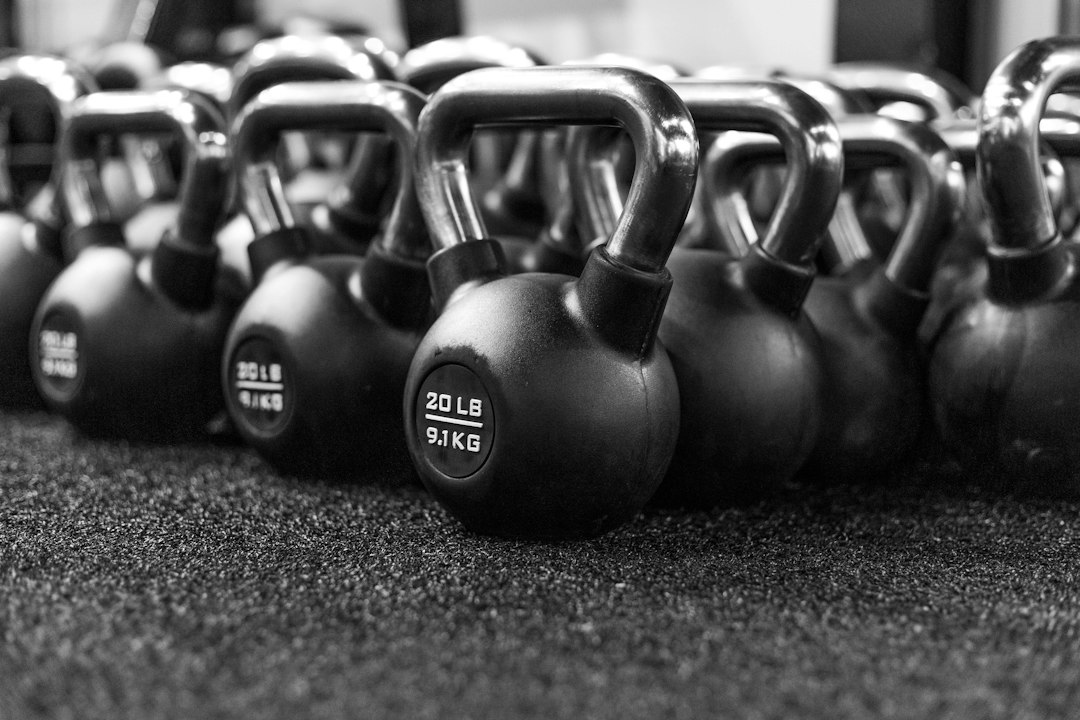
| Weight consistency | Supplier’s stated tolerance and identification method | Resolve matching and labelling expectations |
| Finish and maintenance | Cleaning instructions, sample condition and warranty terms | Confirm care and replacement process |
| Storage | Rack compatibility, capacity and loading instructions | Include suitable storage and access in the quote |
Avoid shortcut quality rules
Construction method, coating and handle dimensions should be evaluated in context. A blanket rule that all one-piece castings are good or all welded handles are unacceptable does not replace product evidence. Ask how the supplier controls quality, identifies batches and handles a defect report. Keep unsupported durability claims out of the proposal.
Inspect deliveries before mixing them into existing stock. Check the ordered model and weight markings, visible defects and rack compatibility. Escalate damage or an unsafe condition to the supplier and keep affected equipment out of use while it is resolved. Do not grind, weld or refinish equipment as an informal receiving remedy.
Calculate the cost of the useful program: bells, suitable storage, freight, staff familiarization and likely replacement needs. A set with unused heavy weights can consume cash and floor space without solving a shortage in the working range.
Records to pull
Pull session plans, attendance, current weight usage, duplicate-weight shortages, sample evaluation notes, supplier specifications and storage instructions. Separate observed demand from the coach’s proposed expansion.
Questions to resolve
- Which weights are needed simultaneously in the planned session?
- What weight tolerance and commercial-use terms does the supplier state?
- How are damaged or defective units identified and replaced?
What to do this week
- Observe weight demand during a representative session.
- Trial shortlisted samples with qualified staff and record the findings.
- Revise quantities and storage together before approving the order.
Related FEX resources
FEX editorial analysis: the operating framework above is a recommendation, not a manufacturer specification or an industry benchmark.
Editorial update, October 7, 2026: Removed unsupported construction rankings and universal utilization assumptions; the buying framework now uses observed program demand.