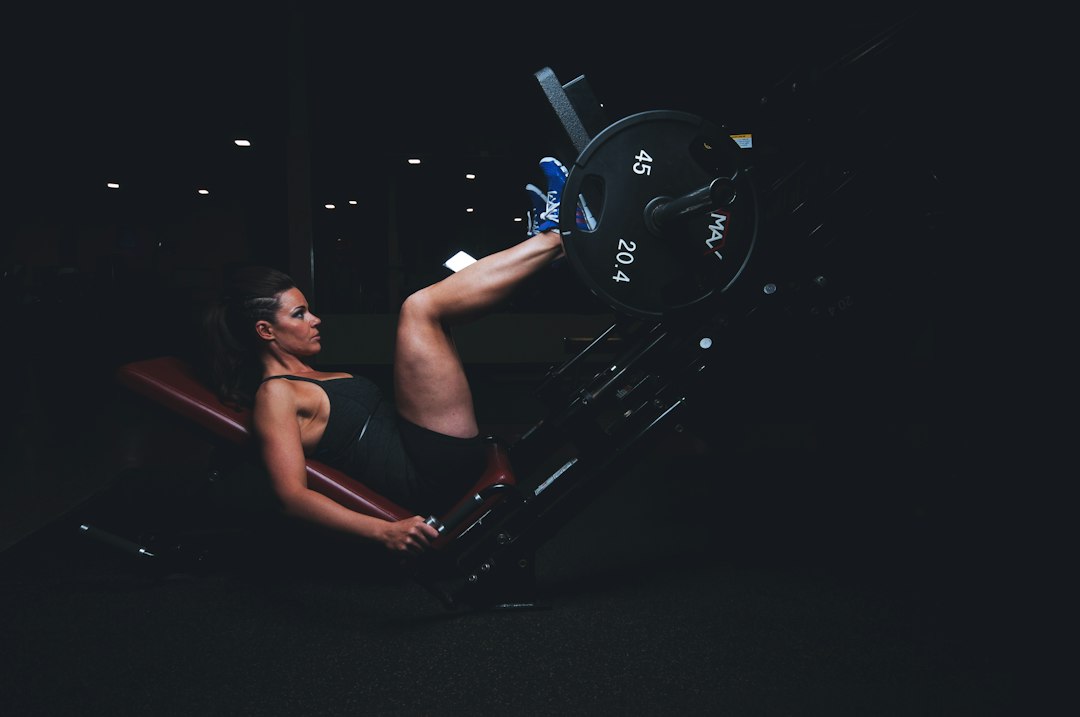

Commercial leg press machines almost never fail at the plate horns, where members expect them to. They fail along two steel rails that nobody has wiped in a year.
- Monday morning: the sled that will not return
- Six weeks earlier: the noise nobody logged
- The six wear points on commercial leg press machines
- Eight months earlier: a lubrication schedule that was never written
- The inspection table, by interval
- Year one: the install that set the geometry wrong
- Quote stage: where commercial leg press machines are actually decided
- The safety stops get scored last and matter first
- What the nine days actually cost
- Five questions to put in the purchase order
- Questions buyers ask about leg press purchases
- Is a plate-loaded or selectorized leg press better for a mixed-use floor
- What does an accessible leg press station actually require
- How long should a commercial station last before replacement
- Reading the sequence forward
On a Monday at 6:40 in the morning, a 45-degree sled travels halfway up, stops, and drops back an inch. The member steps off. The machine gets a paper sign and a service ticket, and the club loses its highest-traffic strength station for nine days.
That Monday is the end of the story. Running it backward, failure point to purchase order, is the only way the buying lesson survives contact with a catalog.
Monday morning: the sled that will not return
The technician finds scoring on the left rail and a bushing worn oval. The sled has been tracking slightly out of square for months, loading one side of the carriage far harder than the other.
Parts for commercial leg press machines are four to six weeks out because the platform changed two model years ago. The machine sits taped off through the busiest month of the quarter.
Six weeks earlier: the noise nobody logged
Members had been reporting a click at the top of the stroke. Front desk staff heard it, tried it, decided it sounded normal for a loaded machine, and wrote nothing down.
A click at a consistent point in travel is a bearing telling the room where it is failing. On commercial leg press machines that sound almost always originates in the carriage. Fleets that log member reports against the serial number catch it; fleets that rely on the assumption that frames fail first do not.
The six wear points on commercial leg press machines
Six components carry essentially all of the risk, and only one of them is visible while the machine is in use.
Linear rails and their bushings come first. Then sled bearings or rollers, the safety catch mechanism, the seat and back carriage lock, the welds at the foot plate, and the plate horns themselves.
Plate horns are the part buyers inspect in a showroom, and the part least likely to end a service life.
Eight months earlier: a lubrication schedule that was never written
The rails on commercial leg press machines need wiping and relubricating on an interval the manual states and most clubs never transfer into a checklist. Chalk dust and sweat turn residual grease into a grinding compound.
Nothing about this is exotic. It is a rag, a specified lubricant and four minutes a month, skipped because no line item in the preventive maintenance sheet named the part.
The inspection table, by interval
Intervals below suit a busy club floor. A studio at a third of the traffic can stretch them; a 24-hour facility should not.
| Component | Check | Interval | Red flag that takes it out of service |
|---|---|---|---|
| Linear rails and bushings | Wipe, inspect, relubricate per manual | Monthly | Scoring or binding at midstroke |
| Sled bearings or rollers | Roll full travel unloaded | Monthly | Notchy travel or a repeating click |
| Safety catch positions | Engage every position under load | Weekly | Any position that will not latch |
| Seat and back carriage lock | Adjust through full range, torque check | Monthly | Movement at the lock under load |
| Foot plate welds | Visual inspection, load side | Quarterly | Any crack at a weld toe |
| Plate horns and retainers | Check for bending and missing collars | Quarterly | Visible deflection or a loose horn |
| Frame anchors and level | Torque and floor contact | Semiannual | Rocking on the floor |
| Back pad and seat upholstery | Seam and foam density check | Monthly | Split seam or bottomed-out foam |
Year one: the install that set the geometry wrong
Rails go out of square when a heavy frame is leveled against a floor that is not. Commercial leg press machines are heavy enough that the floor, rather than the frame, usually wins that argument.
The machine works, the members never notice, and the bushings absorb the difference for two years.
Shims and a torque sequence at install cost nothing on the day. Retrofitting them after a rail is scored costs a rail. On upper-level rooms the problem compounds, which is the argument inside what the structural drawings allow per square foot.
Quote stage: where commercial leg press machines are actually decided
Two quotes can sit four percent apart and describe different machines. Bearing type, rail material, weld certification and the parts window after discontinuation are the differences, and none of them appear in a photograph.
Ask for them in writing and the spread usually widens past twenty percent, which is the honest number. The upholstery spec belongs in the same conversation, since a cracked pad removes a machine from use as effectively as a seized bearing.
Selectorized versions of these stations sit under ASTM F2216, Standard Specification for Selectorized Strength Equipment, which sets stability requirements in unloaded, intrinsically loaded and extrinsically loaded conditions. A quote that cannot name its conformance is answering a different question.
The safety stops get scored last and matter first
Catch positions are the one system on the machine that exists solely for the worst case. They are also the first thing a rushed preventive maintenance visit skips, because testing them means loading the sled.
Test every position, not the middle one. A single stop that will not latch turns commercial leg press machines from a strength station into a liability with a seat.
What the nine days actually cost
Commercial leg press machines are among the highest-utilization strength stations on most floors, which makes their downtime expensive in a way the repair invoice never shows. Members redistribute onto two or three adjacent stations, queues form, and the complaint arrives as a remark about crowding.
Price the outage the way the service budget will not: sessions displaced per day, multiplied by the days the part spends in transit. Nine days of a station seeing sixty uses a day is not a four-hundred-dollar bushing.
That arithmetic is also the case for stocking rails, bushings and catch hardware for commercial leg press machines locally instead of ordering them at failure.
Five questions to put in the purchase order
- Name the bearing and rail specification. Material, type and manufacturer, written into the order rather than referenced from a brochure.
- Fix the parts window. How many years after the platform is discontinued will rails, bushings and catch hardware still be sold, and at what lead time.
- Buy the footprint with its loading zone. The plate-loading path and the walk-around clearance belong on the layout drawing, not in the installer’s judgment.
- Require the install torque sequence and shim record. Signed at handover, filed against the serial number, checked at the first service visit.
- Get accessibility requirements answered in writing. Transfer, seat access and control reach are design decisions, not adjustments made later on the floor.
Questions buyers ask about leg press purchases
Is a plate-loaded or selectorized leg press better for a mixed-use floor
Plate-loaded stations carry higher loads and fewer moving parts, which usually means longer service life. Selectorized units move members through faster and generate fewer loose plates on the floor. Traffic pattern decides it, and the honest comparison prices both against the same eight-year parts window rather than the same purchase price.
What does an accessible leg press station actually require
ASTM F3021 sets additional design requirements for commercial fitness equipment intended for inclusive use, covering access for wheelchairs and other assistive technologies along with color contrast on controls. Manufacturers can state conformance by model, so the question belongs in the quote rather than in a post-install retrofit.
How long should a commercial station last before replacement
Frames commonly outlive two or three sets of wear parts. Replacement is usually triggered by a parts window closing rather than by a frame failing, which is why commercial leg press machines should be scored on their supplier’s discontinuation record as carefully as on their build.
Reading the sequence forward
Run the story in the other direction and every step is cheap. A named bearing spec, a shim record, a line on the maintenance sheet, a logged member complaint, a monthly wipe of two rails. None of it costs a service call, and commercial leg press machines reward exactly that kind of boring attention. Skipped in order, the same five omissions arrive together on a Monday morning, and the club pays for all of them at once. The annual supplier review is where that bill gets attributed.