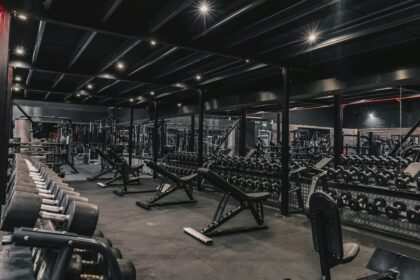


Nothing on a cardio floor gets quoted with more enthusiasm and less arithmetic than energy-generating cardio equipment, and the arithmetic is not hard to do.
- Two Different Machines Share One Name
- Energy-Generating Cardio Equipment and No-Mains Machines Are Not the Same Purchase
- The Manufacturer’s Number, Read Exactly
- Cost Line One: The Energy Actually Displaced
- Cost Line Two: The Utilization Assumption
- Cost Line Three: Installation and the Electrician
- Cost Line Four: Service, Parts and the Unfamiliar Component
- Cost Line Five: What Energy-Generating Cardio Equipment Buys That Is Not Electricity
- Reference: What Each Claim Actually Commits To
- A Four-Step Evaluation Before You Quote the Category
- Questions Operators Are Asking
- Does energy-generating cardio equipment pay for itself
- Will it reduce the number of circuits we need
- Is the 74 percent conversion figure meaningful
- Who services these units
- Reading the Payback Honestly
It is worth doing before the proposal goes out rather than after an operator checks a utility bill and finds the savings line missing.
Two Different Machines Share One Name
The energy-generating cardio equipment category is sold under a label covering two unrelated products, and conflating them is the first error.
The first is genuinely self-powered: curved manual treadmills, air bikes and some rowers that need no mains connection at all because the user drives the display. The second is energy-generating equipment, which plugs into a normal outlet and pushes surplus back into the building.
An operator who says they want self-powered cardio equipment usually means the first thing. A supplier quoting the phrase usually means the second. That gap produces a difficult conversation at install, when someone discovers the machine still needs a receptacle.
Energy-Generating Cardio Equipment and No-Mains Machines Are Not the Same Purchase
SportsArt’s published description of its ECO-POWR technology is unusually clear about which kind it is. The company states that units plug into a standard outlet, draw a small amount of electricity at rest like any appliance, and then, once a workout begins, “almost instantaneously stop consuming electricity” and send surplus back into the facility.
That is the grid-feeding design, not the no-mains design. It is not a criticism of the product. It is the difference between a machine that removes a circuit from your panel schedule and one that does not, and that distinction belongs on the quote rather than in a footnote.
The Manufacturer’s Number, Read Exactly
SportsArt states that the technology converts “up to 74%” of the human energy produced and generates “up to 220 wH of electricity per hour workout.”
Both figures carry the words “up to,” which is a ceiling produced by a strong user working hard, not an average across a membership. Read them as the best case and the rest of the analysis stays honest.
Cost Line One: The Energy Actually Displaced
Convert the energy-generating cardio equipment claim into money at a real price. The US Energy Information Administration reports a 2025 annual average retail price to commercial customers of 13.41 cents per kilowatthour, against 17.30 cents residential and 8.62 cents industrial.
Two hundred and twenty watt-hours is 0.22 kilowatthours. At the commercial average, one best-case hour of use is worth about three cents. That is the number the whole category rests on, and it is better to say it out loud than to let a customer discover it.
Scale it with your own utilization data rather than an aspiration. A unit running five hours a day for 350 days reaches 1,750 hours, or about 385 kilowatthours, which is roughly fifty dollars a year at that price. Multiply by the number of units and compare the result against the price premium.
Cost Line Two: The Utilization Assumption
The five-hour figure above is an assumption, and it is the variable that moves the answer most. Replace it with console hours from your own floor.
Most cardio banks do not run five hours a day per unit across a year. If the true figure is two hours, the annual value falls to around twenty dollars per machine, and no reasonable premium pays back inside a replacement cycle on energy alone.
Our earlier work on the cardio costs that skip the quote applies here in reverse: this is a benefit that skips the quote in the other direction, smaller than it sounds.
Cost Line Three: Installation and the Electrician
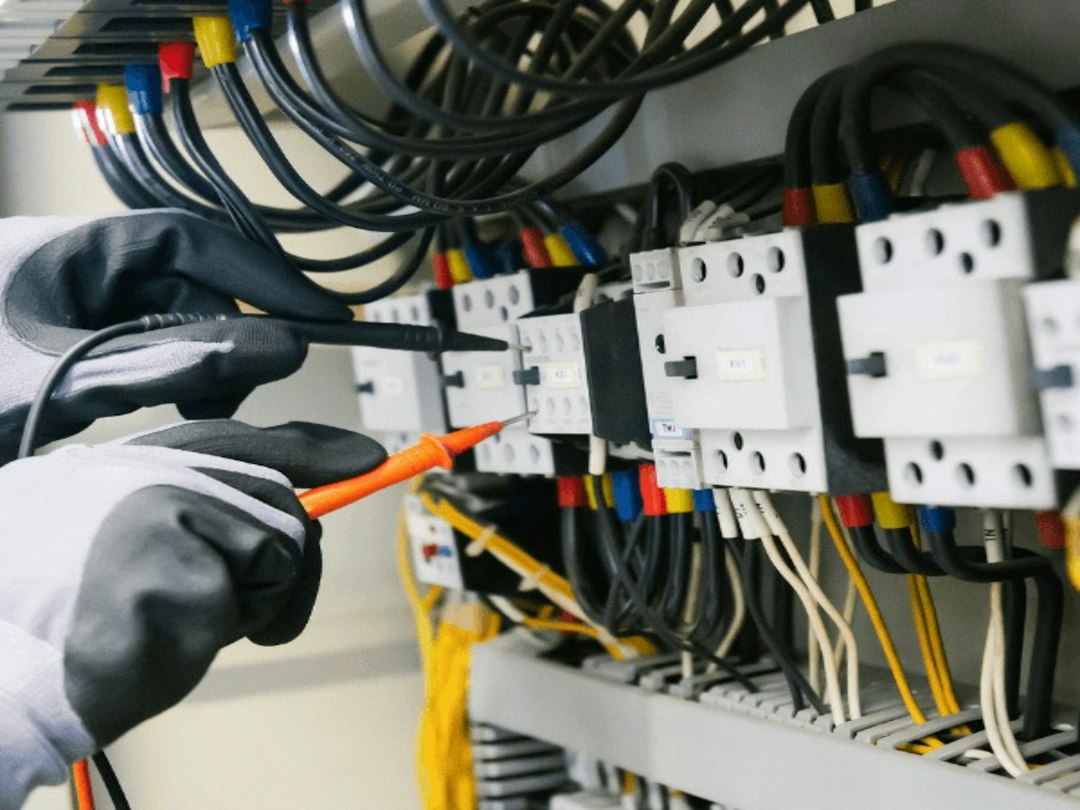
Grid-feeding units interact with building electrical systems in ways ordinary treadmills do not, and the installation question is local.
Some jurisdictions and some utilities treat any device exporting to a building’s wiring as requiring review, and daisy-chaining several units onto one circuit is a design decision rather than a convenience. Budget an electrician’s time for a written opinion. Our note on the panel schedule behind a cardio floor covers the circuit arithmetic that has to happen first.
Cost Line Four: Service, Parts and the Unfamiliar Component
An energy-generating cardio equipment drivetrain contains parts a local technician may not have seen. That matters more than the energy line.
Ask three questions before the order: which parts are unique to the generating system, what the stocking position is in your region, and who is certified to work on them within a two-hour drive. A machine that saves fifty dollars a year and sits dead for three weeks has cost the operator far more than it saved. The broader discipline is the one described in our piece on testing first-year equipment before it reaches a floor.
Cost Line Five: What Energy-Generating Cardio Equipment Buys That Is Not Electricity
The honest case for energy-generating cardio equipment is rarely the energy, and pretending otherwise damages credibility with the one buyer type most likely to purchase.
Universities, municipal facilities and corporate wellness sites have sustainability reporting obligations, procurement preferences and sometimes grant funding attached to them. For those buyers, a measurable generation figure is a documented line in a report, and the report is the thing being bought. Quote it that way, with the energy math shown plainly, and the proposal is stronger rather than weaker.
Reference: What Each Claim Actually Commits To
| Claim on the spec sheet | What it means technically | What to verify | Effect on the panel schedule |
|---|---|---|---|
| No power cord required | User-driven display, no mains | Console battery type and life | Removes a receptacle |
| Self-powered during use | Generates enough to run itself | Standby draw when idle | Receptacle still required |
| Feeds surplus to the building | Exports to the branch circuit | Utility and inspector position | Circuit design becomes a decision |
| Converts up to 74 percent | Ceiling, not average | Test conditions behind the figure | None |
| Up to 220 Wh per hour workout | Best-case hour, strong user | Your own console hours | None |
| Reduces carbon footprint | Displaces purchased power | Whether output is metered or estimated | None |
| Qualifies for green reporting | Produces a citable figure | Which standard or program accepts it | None |
A Four-Step Evaluation Before You Quote the Category
- Establish which product the buyer actually means. No-mains or grid-feeding. Ask it in the first conversation, because the answer changes the electrical scope, the price and the install sequence.
- Run the energy math with their price and their hours. Their utility rate, their console hours, their unit count. Present the annual figure even when it is unimpressive, because the operator will calculate it eventually.
- Price the electrical work as a separate line. An electrician’s written opinion on exporting to the branch circuit is cheap in advance and expensive after an inspector arrives. Energy-generating cardio equipment that cannot be energized on schedule is a delayed opening.
- Confirm parts and technician coverage in writing. Unique components, regional stocking, certified labor within a two-hour drive. Get it from the manufacturer on paper before the first unit ships.
Questions Operators Are Asking
Does energy-generating cardio equipment pay for itself
On energy alone, usually not inside a normal replacement cycle. At a commercial rate near thirteen cents a kilowatthour and a best-case 220 watt-hours an hour, a single unit generates tens of dollars a year, not hundreds. The purchase makes sense when reporting, grant eligibility or procurement preference carry weight alongside the energy.
Will it reduce the number of circuits we need
Only the genuinely no-mains machines do that, and those are a narrow group: curved manual treadmills, air bikes and some rowers. Grid-feeding units still require a receptacle and still draw at idle. If circuit count is the real constraint, that is a layout and panel conversation rather than a product one.
Is the 74 percent conversion figure meaningful
It is a ceiling published by the manufacturer, and it should be read as one. Conversion efficiency at peak effort tells you the technology works. It does not tell you what an average member produces on a Tuesday evening. Use it to judge engineering quality, not to build a budget.
Who services these units
Ask before you buy, in writing. The generating drivetrain is the part most likely to fall outside a local technician’s experience, and downtime on an unfamiliar component runs longer than downtime on a belt. When a unit finally retires, the same unfamiliarity shows up again at disposal.
Reading the Payback Honestly
The technology is real, the published figures are stated plainly by the manufacturer, and the money is small. Suppliers who present energy-generating cardio equipment as an energy investment will be corrected by a spreadsheet. Those who present it as a reporting and positioning purchase, with the energy arithmetic shown openly alongside, will close the buyers who were always going to buy it and keep the trust of the ones who were not.