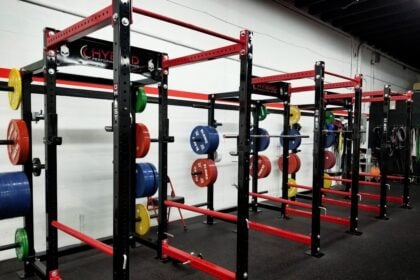
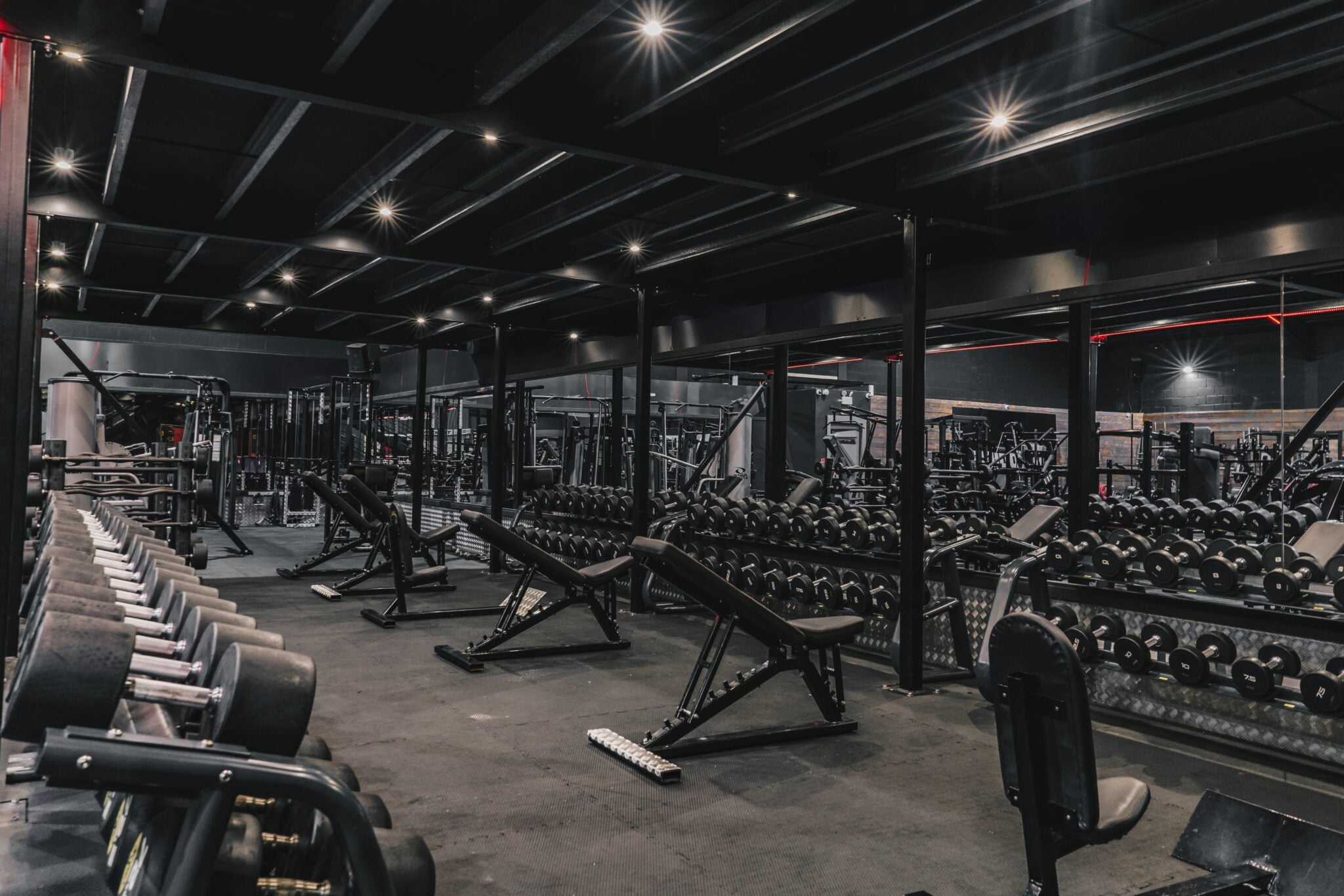

Four Pilates reformers, two group cycles and a functional trainer went into a rented sixteen-foot box truck on a Saturday morning, and the founder of what became a gym equipment relocation business spent the rest of that day learning that a reformer does not pass through a standard doorway assembled.
- Month one: a borrowed truck and the wrong unit of measure
- The first quote that lost money
- What gym equipment relocation actually sells
- Month five: the elevator that changed the pricing model
- A cost sheet for a gym equipment relocation quote
- Month nine: the second crew and the first real margin
- The reinstall is the product, not the move
- Month fourteen: the staging and standards conversation
- Five steps to quote a move weekend without guessing
- Gym equipment relocation questions operators ask
- How far ahead should a club book a move
- Does the original manufacturer have to reinstall the machines
- Who is responsible if a machine fails the week after a move
- Month eighteen: what gets priced differently now
The studio had hired him because its lease ended on the Sunday. He quoted it the way a household mover quotes: hours, truck, two people. What the job actually contained was disassembly, a carriage strap that fouled a wheel, a stairwell turn that needed the footbar off, and a rebuild on a floor nobody had checked for level. The arc below is a composite of how specialists in this trade describe their first eighteen months.
Month one: a borrowed truck and the wrong unit of measure
Movers price by volume and distance. Equipment work does not behave that way. A cardio row of fifteen treadmills is a fast load and a slow unload, because every unit needs a leveling pass and a belt check before it is handed back. A studio of six reformers is a light load and a long day, because each one is taken apart and rebuilt.
The unit of measure that works is the machine, priced by disassembly class. That single change reprices most of a first year’s quotes, and it is the difference between selling hours and selling outcomes.
The first quote that lost money
Early gym equipment relocation jobs lose money in the same place: the hours after the truck is empty. Loading is predictable. Reassembly is not, because it depends on conditions at the receiving end that nobody measured — floor flatness, circuit availability, whether the hardware bag from a machine taken apart three weeks ago is still taped to its frame.
Specialists eventually refuse to quote without a site walk at both ends. Clients resist that, because a mover would not ask for it. The answer is that a mover is not reconnecting a treadmill to a dedicated circuit and signing off that it runs.
What gym equipment relocation actually sells
Clients believe they are buying transport. They are buying Monday morning. Gym equipment relocation is closer to an install trade than a moving trade, and the crews that do it well come out of installation work rather than out of van lines.
The distinction shows up in the paperwork. A mover’s bill of lading records cartons. An installer’s punch list records machines, serials and functional condition at handover. The second document is the one that settles arguments, in the same way that a delivery signature decides a freight damage claim long before anyone opens a crate.
Month five: the elevator that changed the pricing model
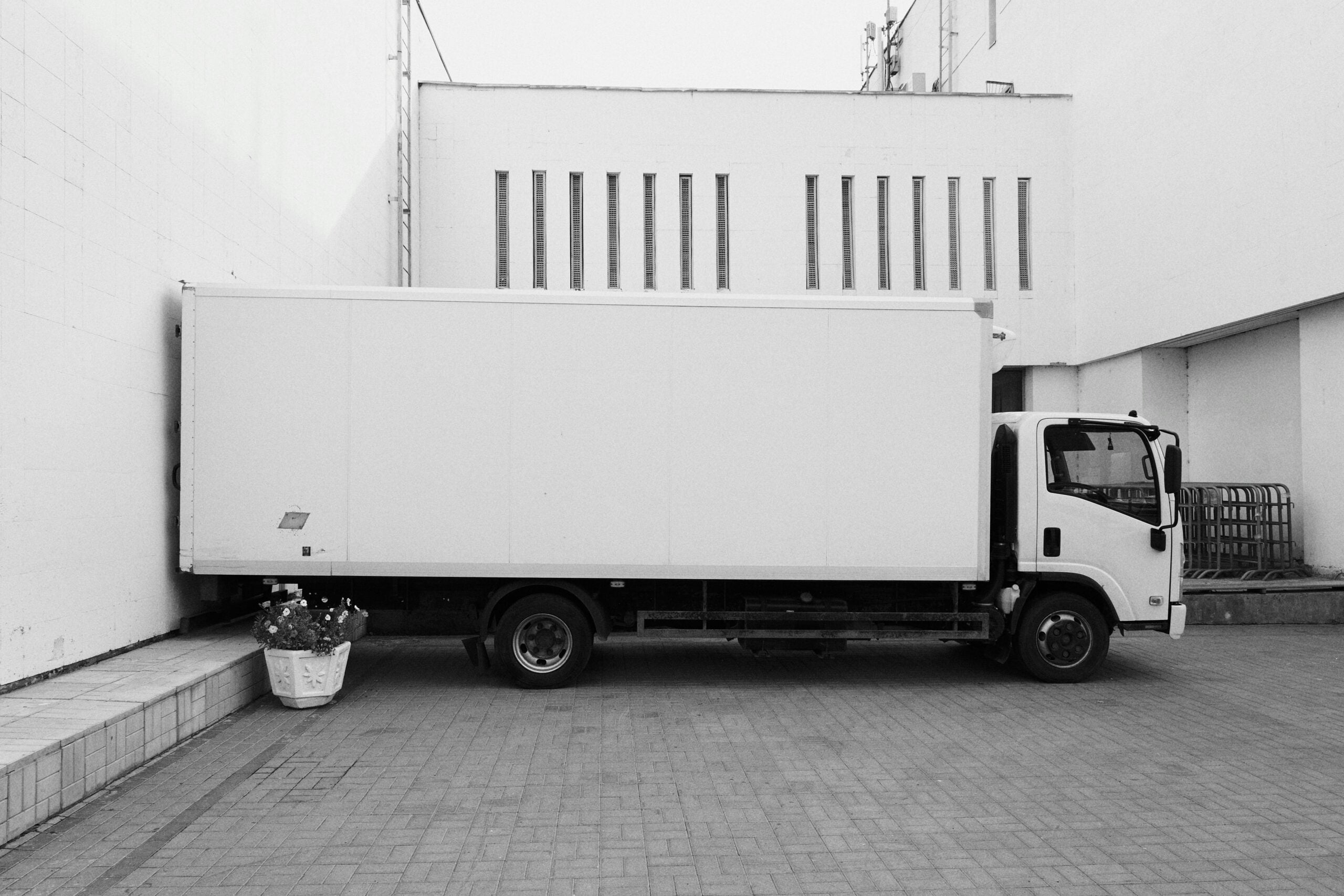
A second-floor club with a freight elevator looks like an easy job until someone measures the car. Interior depth shorter than a treadmill’s footprint means every cardio unit goes up the stairs, and a stair carry is a different crew size, a different insurance conversation and a different day length.
The correction is to quote the opening rather than the building. A gym equipment relocation quote that names elevator interior depth, door width and stairwell turn radius is defensible. One that names an address is a guess, and the same logic governs a new install, where a confirmed delivery date collides with a floor that is still curing.
A cost sheet for a gym equipment relocation quote
The sheet below is written for the site walk. Each line is a thing to measure, a way to price it, and the answer that should stop the quote until it is resolved.
| Cost line | What drives it | How to quote it | Red flag on the walk |
|---|---|---|---|
| Disassembly class | Parts count and tooling per machine | Per machine, by class | They all come apart the same |
| Vertical transit | Elevator interior depth and door width | Per machine, per floor | No measured car dimensions |
| Thresholds and turns | Stair turn radius and door swing | Flat adder per obstacle | Walk done from photos only |
| Floor protection | Surface type along both routes | By route length | New floor with no cure date |
| Reinstall and leveling | Machine count and floor flatness | Per machine plus leveling time | Slab poured inside 30 days |
| Electrical reconnect | Dedicated circuits and console power | Per circuit, licensed trade | Panel schedule unavailable |
| Wear parts carried | Straps, ropes, pins, leveling feet | Stocked kit on every truck | Client assumes parts included |
| Access window | Building hours and dock booking | Named hours in the contract | Access whenever you need it |
Month nine: the second crew and the first real margin
Margin in gym equipment relocation arrives when a second crew runs a job without the founder on site, which requires the punch list to be a document rather than a habit. Most specialists reach that point by writing down the disassembly class for every machine family they have touched, so a new technician can price and plan from a sheet.
The other lever is subcontracting overflow rather than turning work away. The economics there mirror the install side, where a rate card decides who absorbs a short crew on delivery day. A gym equipment relocation firm that subcontracts without a rate card discovers the same gap on a Sunday night.
The reinstall is the product, not the move
Machines that arrive intact and go back together wrong fail in the weeks afterward, and the failures look like coincidence. A leg press left unleveled after a gym equipment relocation wears a bushing early. A cable stack reassembled with the wrong pin length develops play. The client blames the move only if someone connects the two events.
Serial-level records at both ends close that loop, which is the same discipline that makes an asset register useful when a recall names a serial range. A gym equipment relocation without a serial record is a move with no memory.
Month fourteen: the staging and standards conversation
Staging is where this work gets dangerous. Machines waiting overnight in a warehouse bay are stored material, and OSHA’s general materials handling rule at 29 CFR 1910.176 requires aisles and passageways to be kept clear and in good repair, and material stored in tiers to be stacked, blocked, interlocked and limited in height so it is stable and secure against sliding or collapse.
Accessibility is the standard that quietly survives a move. The U.S. Access Board’s guide to sports facilities sets clear floor space of at least 30 by 48 inches at one of each type of exercise machine, 36 by 48 inches where the space is enclosed on three sides, and allows that space to be shared between adjacent machines. A gym equipment relocation that tightens spacing to fit one more unit can take a compliant floor out of compliance without anyone noticing.
Five steps to quote a move weekend without guessing
- Walk both ends, with a tape. Elevator interior depth, door width, stair turn radius and dock height. Photographs do not measure.
- Class every machine. Sort the inventory into bolt-together, partial strip and full strip. Price the classes, not the hours.
- Name the access window in the contract. Building hours are a cost driver and a schedule risk, and they are almost never what the client remembers them to be.
- Carry the wear parts. Straps, ropes, pins, leveling feet and fasteners on the truck turn a return visit into a five-minute fix.
- Hand over a signed punch list. Machine, serial, condition, and the date it was released to use. That document ends the argument that arrives six weeks later.
Gym equipment relocation questions operators ask
How far ahead should a club book a move
Book the site walk as soon as the lease dates are firm, and the crew four to six weeks out. The constraint is rarely the truck. It is the electrician, the building access window and the receiving floor’s readiness, and all three have longer lead times than the moving crew itself.
Does the original manufacturer have to reinstall the machines
Usually not, but check the warranty terms before assuming. Some manufacturers require authorized service for warranty work on specific assemblies, and a few void coverage on units relocated without documented reassembly. Ask the question in writing before the truck is booked rather than after a claim is denied.
Who is responsible if a machine fails the week after a move
Whoever holds the better record. A signed punch list showing the machine running at handover shifts the conversation toward normal wear. No record means the move is the obvious suspect, regardless of what actually happened. That asymmetry is why the documentation is worth more than the insurance certificate.
Month eighteen: what gets priced differently now
The founder still quotes by the machine, still walks both ends, and no longer quotes a building sight unseen. The change that mattered most was not a truck or a crew. It was moving the definition of the job from the drive to the reassembly, and charging for the half of the work that clients cannot see until the Monday it either holds or does not.