
For: Owners opening a reformer-based Pilates studio, and the dealers quoting a studio’s first order.
The decision: How many reformers, and which spares, consumables and other apparatus, belong on the first purchase order, and what should wait for booking evidence.
60-second answer: Fix the class size you intend to sell, then test the room with the manufacturer’s published footprint plus the circulation your instructors need. Buy reformers to that count. Budget springs, ropes and straps as a running cost using the manufacturer’s replacement schedule and spring warranty terms. Check the delivery route against the unit’s length and weight. Add chairs, towers and barrels only when a named class and a qualified instructor need them, and keep part of the budget unspent until bookings show what the timetable demands.
Start from the class you intend to sell
When a lease is signed before anyone has planned the pilates studio equipment that has to fit inside it, the room ends up deciding the business. Reformer footprint and circulation decide how many clients the room holds, and that number decides whether the rent works. Plan in the other order where you can: decide the product first, whether groups of a set size, duets, privates or a mix, and let the equipment list follow.
Records to use: the draft timetable, the class size you plan to sell at each hour, instructor availability and qualifications, your prices and the rent. An existing studio adding a room should also pull booking history and waitlists by class type and time.
The first purchase order is placed before any booking data exists. That is the case for buying to the capacity you can staff and fill, not to the room’s maximum. Machines beyond the class size you can sell still occupy floor the rent is paying for.
Test the room with real footprints
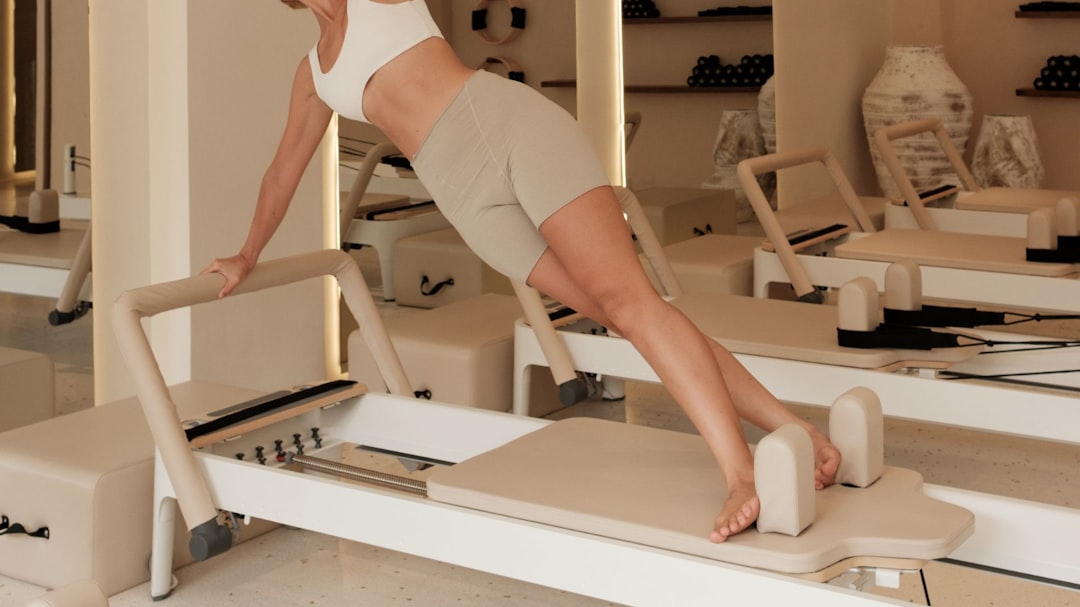
Use the manufacturer’s published dimensions for the model you will buy, not a generic reformer. Balanced Body, for example, lists its Allegro 2 Reformer frame at 94 inches long and 25 inches wide, or 31.25 inches wide including the footbar, and 155 pounds with legs. Mark that footprint on the floor with tape, add the space your instructors need to move between machines and change springs, and walk it at class pace. Plan the instructor’s circulation path, door swing and storage wall in the same pass. If reformers will be stored on end, Balanced Body advises confirming ceiling height clearance before vertical storage. It also says its tower retrofit kit adds 61 inches of height above the Allegro 2 frame without changing the footprint.
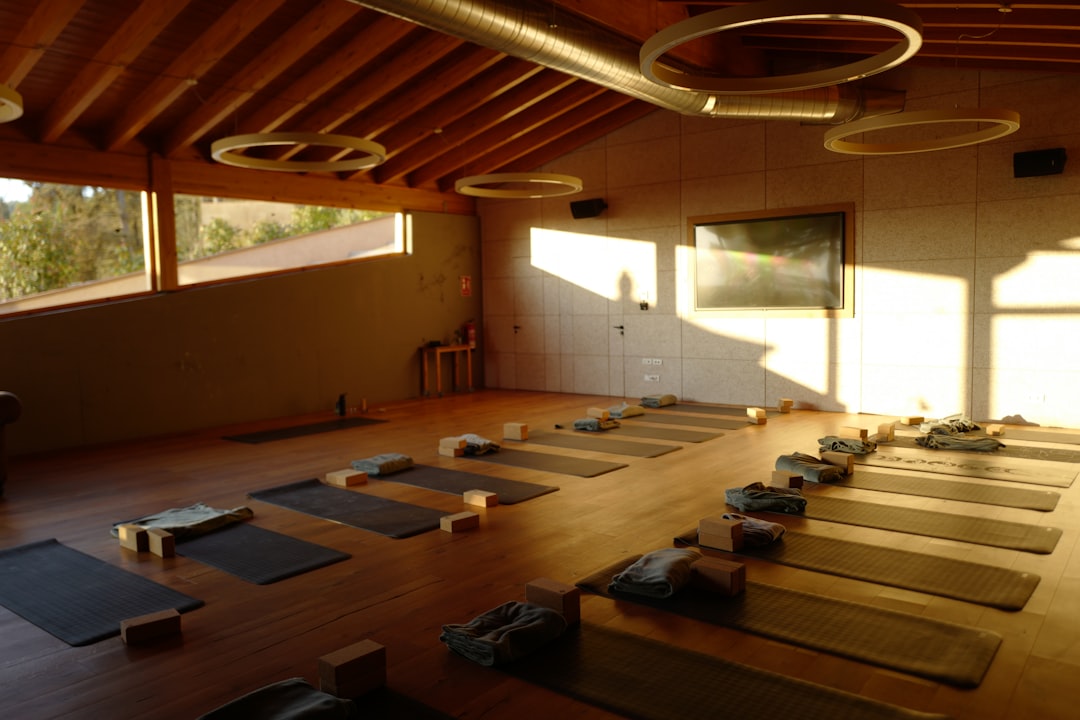
Accessibility belongs in this pass. The ADA Standards require at least one of each type of exercise machine and equipment to comply with section 1004, which calls for a clear floor space positioned for transfer or for use by a person seated in a wheelchair; clear floor space for more than one piece of equipment can overlap. The U.S. Access Board gives the minimum clear floor space as 30 by 48 inches. Which requirements apply to a particular studio needs project review; FEX’s guide to planning clear floor space and routes together shows how to document it.
Check delivery at the same time: door widths, turns, stairs, elevator dimensions and the delivery window the landlord allows, measured against the crated length and weight of the model you are buying.
What goes on the first purchase order
Buy the apparatus the timetable will fill rather than every apparatus you want to teach on. A disciplined first order covers reformers to the capacity count, the standard accessories the repertoire needs, spares that keep a machine in service the same day, and nothing else until a named class needs it. The table sets out when each item belongs on the order; the evidence levels in the last column are yours to set.
| Item | Order now when | Wait when | Evidence for the next order |
|---|---|---|---|
| Reformers | The class size is fixed and you can staff it | Class size or staffing is undecided | Waitlists at the class times you track |
| Spare springs | You own the model; spares keep a machine in service the same day | No reason to wait | Spring replacements logged per machine |
| Ropes, straps and loops | Spares for each model on the floor | No reason to wait | Wear found at scheduled inspections |
| Boxes, footstraps and standard accessories | The repertoire you will teach uses them | The repertoire does not use them | Classes that need more sets |
| Reformer-mounted tower | Private or supported work is on the timetable and the ceiling allows the added height | The schedule is group reformer only | Bookings for formats that need it |
| Chairs | A named class and a trained instructor exist | No instructor programs on them | Bookings and instructor hours for chair formats |
| Barrels | Private or specialist sessions will use them | No booked use | Session plans that call for them |
| Mat and small props | A mat class is on the timetable | Storage is unresolved | Recurring mat attendance |
| Spare parts kit | The manufacturer can name the parts that most often take a machine out of service | Parts are stocked locally with short lead times | Parts ordered at expedited freight cost |
Springs, ropes and straps are a running cost
Consumables wear with use and are easy to leave out of an opening budget. Use the manufacturer’s schedule rather than a rule of thumb. Merrithew’s inspection and maintenance schedule for its large equipment calls for checking reformer springs weekly and ropes monthly, replacing all spring clips yearly and replacing all reformer springs every two years. Balanced Body states that its Signature Springs carry a limited warranty of two years from the invoice date or 3,000 hours of use when used with four reformers or fewer, and one year in group settings with five or more reformers.
Those are each manufacturer’s terms for its own products. Ask your supplier, in writing, for the inspection schedule, replacement intervals and spring warranty that apply to the model you buy, and set consumables as a standing budget line from opening. Log replacement dates by machine: if every spring went into service on opening day, a time-based schedule brings every replacement due at once, and that date belongs in the budget. FEX’s reformer maintenance guide covers the wear points to inspect.
Used apparatus, the reserve and the second order
Used reformers can be a reasonable way to open if the wear points are inspected rather than described. Frames and rails may be sound while ropes, springs, straps and upholstery carry the previous owner’s use. Price the immediate replacement of those consumables into the purchase and judge the deal on that total; FEX’s guide to refurbished equipment grading shows how to price the parts list.
Keep a defined part of the equipment budget unspent after opening, in an amount and for a period you set, so the schedule can correct the order. The second order should come from bookings: another reformer for the class time that keeps filling, an apparatus for a format that has a named instructor and a price, or the storage the room turned out to need. FEX’s guide to sequencing Pilates studio apparatus covers chairs, towers and barrels.
Red flags
- A machine count taken from the room’s maximum rather than the class you can staff and fill.
- Spacing approved on a drawing nobody has walked.
- No year-one budget line for springs, ropes and straps.
- Specialist apparatus with no named class or instructor.
- Freight booked before the delivery route was measured.
What to do this week
- Tape one footprint of the model you plan to buy, plus circulation, and walk it at class pace.
- Fix the class size and let the reformer count follow it.
- Ask the supplier for spring, rope and strap schedules and the spring warranty terms, in writing.
- Name a class and an instructor for every non-reformer item, or move it to the second order.
- Measure the delivery route and confirm the landlord’s delivery window.
Continue with FEX
- Calculate the cost of equipment downtime
- Delivery site survey: routes, doors and lifts
- Grading and replacing upholstery
- Personal training studio fit-out checks
FEX editorial guidance: the capacity method and first-order matrix are FEX analysis, not manufacturer requirements or industry benchmarks. This guide is not based on an interview with a named business. Manufacturer instructions control inspection and replacement intervals for each model; the dimensions and terms cited apply only to the named products. Accessibility applicability should be confirmed with the project designer.
Source notes
- Balanced Body: Allegro 2 Reformer product specifications (accessed October 2026) — Frame dimensions, weight and the vertical-storage ceiling note.
- Balanced Body: Signature Springs for Reformers (accessed October 2026) — Spring warranty terms by number of reformers.
- Merrithew: Inspection and Maintenance Schedule for Large Equipment (undated) — Weekly, monthly, yearly and two-year reformer items.
- U.S. Access Board: Moving Forward: Access to Inclusive Fitness Equipment (July 14, 2021) — ADA sections 236 and 1004 and overlap of clear floor space.
- U.S. Access Board: Guide to the ADA Standards, Chapter 3: Clear Floor or Ground Space — Minimum 30-by-48-inch clear floor space.
Editorial update, October 8, 2026: Reframed a founder narrative as a first-order buying guide. Removed an unrelated SFIA report listing and prices, invented class volumes and fixed reorder triggers, and added reformer footprint, spring schedule and spring warranty terms from Balanced Body and Merrithew documentation, with ADA references checked against U.S. Access Board material.