
Crouch beside a flat bench on a club floor and the rating is usually there on the frame, under the pad: a maximum user weight, printed small. Equipment user weight limits travel with the machine from the factory, and almost nobody reads them until something bends.
- The sticker under the seat pad
- What equipment user weight limits are built from
- Two numbers: the user and the total load
- What the standards actually say
- Decision point one: the quote gives no number
- Decision point two: the rating fits, the traffic does not
- A rating request list by machine family
- How equipment user weight limits change a service contract
- Labels, the floor log and the claim eleven months later
- Five checks before the purchase order clears
- Questions operators ask about equipment user weight limits
- Does the rating include the weight the member is lifting?
- What should happen when a machine loses its label?
- Are cardio and strength ratings comparable?
- Is a higher rating always the better buy?
- Where the number belongs
The number carries more weight than it looks, because two different quantities can hide behind it. One is the person lying on the bench. The other is that person plus the loaded bar above them, and on a heavy set the difference is not small.
The sticker under the seat pad
Ratings appear in three places and they do not always agree: the frame label, the owner’s manual, and the spec sheet a distributor pastes into a quote. The manual is the authority. The quote is the document buyers actually rely on, and it is the one most likely to omit the figure entirely.
That gap is how a club ends up with a bench rated for one population serving another, and it is why the three numbers that separate eight benches on a quote rarely sit beside the price. Nothing was defective. The bench was specified against equipment user weight limits nobody checked.
What equipment user weight limits are built from
A rating is an engineering statement about a structure in its weakest configuration: the bench at its steepest incline, the rack at its highest pin position, the machine at the end of its travel. Manufacturers derive it from static load testing and endurance cycling, then apply a factor of safety on top.
Two machines with identical tube dimensions can carry different numbers because the welds, the fastener grade or the pivot bearing differ. That is why these ratings cannot be inferred from how solid a machine feels on a showroom floor.
Two numbers: the user and the total load
On cardio, the rating is usually about the user alone, because the user is the load. On strength equipment the picture splits. A bench may state a maximum user weight and a separate total capacity that includes bar and plates; a rack states a capacity for the uprights and sometimes a different one for the safeties.
Ask for both in writing. Equipment user weight limits quoted as a single figure, with no statement of which quantity it describes, have told you nothing you can build a spec on.
What the standards actually say
ASTM’s Standard Specification for Fitness Equipment, F2276, establishes parameters for the design and manufacture of fitness equipment intended for users aged 13 and above. Its requirements run from stability and the guarding of squeeze, shear and crush points through handgrips, foot supports and load-transmitting components such as ropes and chains, to structural durability under endurance loading. It also covers required documentation, including site-specific labels and user weight restrictions.
For selectorized lines, the companion Standard Specification for Selectorized Strength Equipment, F2216, sets parameters for indoor equipment for the same user age and is written to be applied together with F2276. Neither document replaces a manufacturer’s own rating. They establish the language that rating should be stated in.
Decision point one: the quote gives no number
If a quote is silent on equipment user weight limits, get the figure from the model’s manual before the order is placed rather than after. Silence usually means someone is quoting from a catalog sheet instead of the documentation, and catalog sheets are where superseded ratings survive longest.
This is also the moment to separate two claims that get conflated routinely. A load rating and a certification mark on a quote are different assertions, and one does not imply the other.
Decision point two: the rating fits, the traffic does not
Equipment user weight limits describe a machine, not a population. A high-volume club serving a broad membership runs a different duty cycle from a training studio working scheduled appointments, and the components that sit nearest the ceiling fatigue first: bench hinges, seat carriages, pop pins, adjustment ladders.
Where the expected member weight distribution sits close to a machine’s limit, specify up a tier. Freight and footprint barely change. The service history changes a great deal.
A rating request list by machine family
What follows is a request list, not a reference chart. Published figures vary by model and no honest number can be generalized across brands, so equipment user weight limits should arrive from the manufacturer, in writing, per model and per configuration.
| Machine family | Get in writing | Load the rating can miss | Check at delivery |
|---|---|---|---|
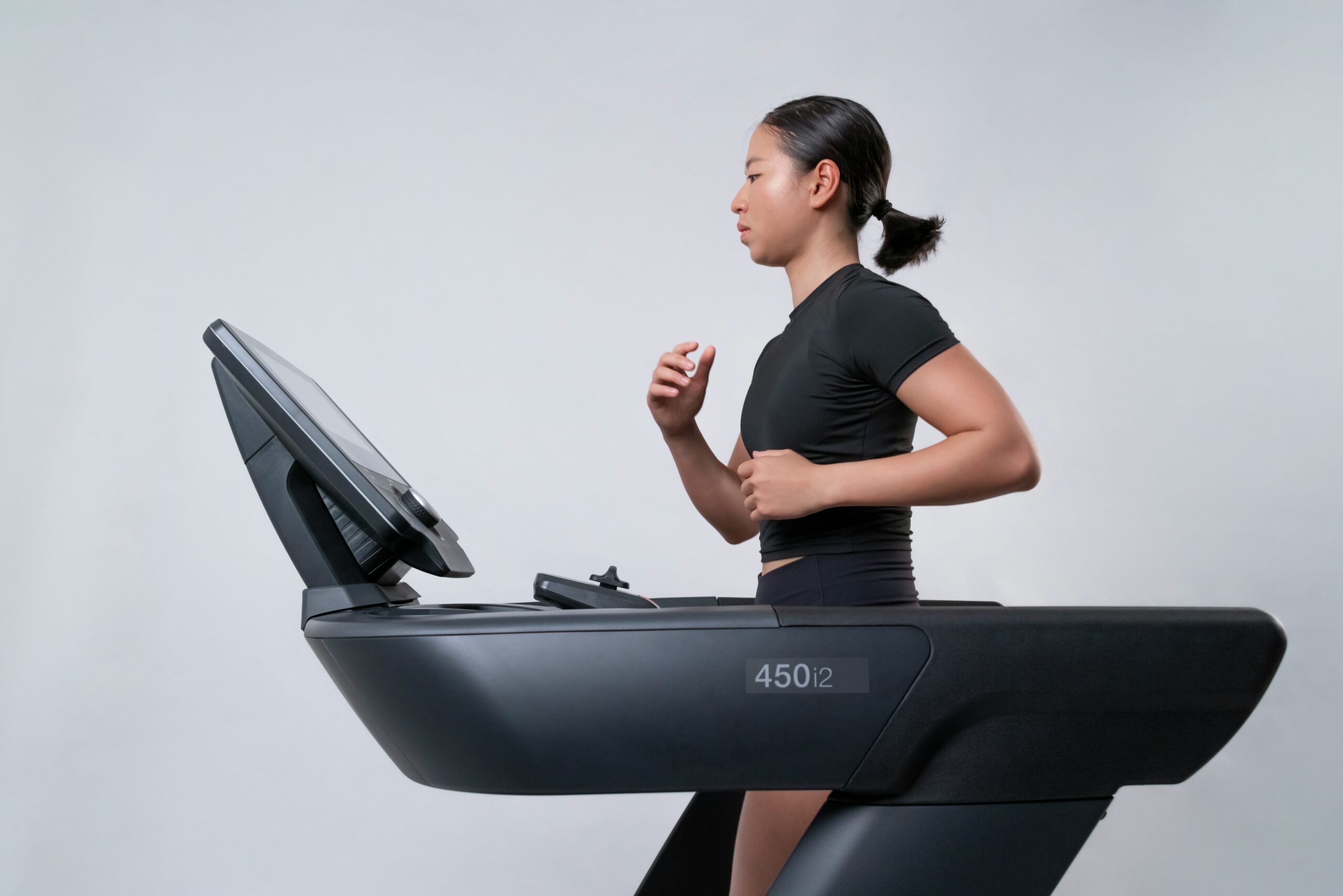
| Treadmill | Maximum user weight from the manual | Nothing; the user is the load | Frame label legible and matching the manual |
| Elliptical and stepmill | Maximum user weight and step load | Dynamic loading at the pedal arm | No pedal arm play on arrival |
| Group cycle | Maximum user weight | Standing loads out of the saddle | Seat post and handlebar post markings |
| Flat and adjustable bench | User weight and total capacity | Bar plus plates in the lifter’s hands | Rating present at the steepest incline |
| Power rack and half rack | Upright capacity and safety capacity | Dropped load onto the safeties | Pin and J-cup part numbers match the spec |
| Selectorized machine | User weight and stack maximum | Assisted body weight on dip and pull stations | Range of travel matches the documentation |
| Plate-loaded machine | User weight and total loaded capacity | Plate storage horns under full load | Horn welds and counterweight fitted |
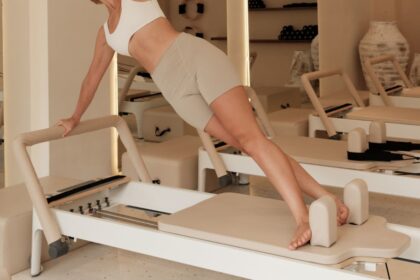
| Pilates reformer | Maximum user weight and carriage load | Standing and jumpboard work | Rope and spring specification as ordered |
How equipment user weight limits change a service contract
Coverage language routinely excludes damage arising from use above a rated load. That makes the rating a commercial boundary as much as a safety one, and it is another reason an equipment warranty reserve stays strict at the edges.
Service vendors read the same line. A bent upright on a machine with no legible label turns into an argument about supervision, and arguments about supervision are settled by records rather than opinions.
Labels, the floor log and the claim eleven months later
Labels come off. Powder coat gets cleaned aggressively, pads get swapped, and the frame sticker leaves with them. Replacing a missing label is a ten-minute job that nobody owns, and its absence turns up in an incident file rather than a maintenance report.
Keep equipment user weight limits in the asset record and refit a label whenever upholstery is replaced. Clubs that already run a disciplined evidence file on the floor have somewhere to put it.
Five checks before the purchase order clears
- Pull the manual, not the brochure. Get the figure from the model documentation for the exact part number you are buying, including the configuration you ordered.
- Separate user weight from total load. On every strength item, require both numbers and a sentence saying which is which.
- Test the worst configuration. Ask whether the rating holds at the steepest incline, the highest pin and the full range of travel, or only at the base setting.
- Match the rating to the room. Compare the figure against the population that will actually use the machine, not against an average membership.
- Record it on intake. Write the rating into the asset register at receiving, so a label lost in year three does not take the number with it.
Questions operators ask about equipment user weight limits
Does the rating include the weight the member is lifting?
Sometimes, and you cannot assume either way. Some makers publish a user weight and a separate total capacity; others publish one combined figure. The only safe approach is to require both numbers in writing for every strength item, with a plain statement of what each one includes.
What should happen when a machine loses its label?
Order a replacement label from the manufacturer and refit it, then note the date in the asset record. In the meantime the rating should still be retrievable from your own records, which is the practical argument for capturing equipment user weight limits at receiving rather than relying on a sticker.
Are cardio and strength ratings comparable?
Not directly. A cardio figure describes the person on the machine under dynamic motion. A strength figure may describe the person, the external load, or both together. Comparing the two numbers across families tells you very little about relative build quality.
Is a higher rating always the better buy?
Usually it signals a heavier structure, which is useful in a high-traffic room. It is not a substitute for checking the wear parts, though, because a strong frame with a weak pivot still fails at the pivot. Read the rating alongside the wear list and the parts availability terms.
Where the number belongs
Equipment user weight limits are not paperwork. It is a boundary that decides which machines suit a room, which warranty claims survive, and which incident files close quietly. Capture it at receiving, keep it in the asset record, refit the label when upholstery changes, and require both figures on every strength quote. That takes minutes per machine and settles arguments that otherwise run for months.