
For: Dealers quoting, and club, studio and facility buyers deciding whether a dedicated hip thrust or glute machine earns permanent strength-floor space.
The decision: Whether to add a commercial hip thrust machine, and which load, footprint, anchoring, pad and warranty terms to get in writing before the order.
60-second answer: Count your own demand first: how often members build the movement from a bench, bar and plates at peak times, and what a station would displace. Then get the numbers for the exact model, because manufacturers publish different ones. Nautilus lists the Glute Drive (NP-L1131) with a 360 lb plate-load capacity but no maximum user weight; Life Fitness lists the Insignia Series Glute Bridge (SS-GLB) with a 300 lb maximum user weight and a live area far larger than the machine. Ask for the missing figure, the anchoring instruction, belt and pad part numbers, and the warranty by component; Life Fitness’s current US strength warranty lists upholstery at three months.
What the station replaces, and how to count demand
A dedicated station replaces a free-weight set-up that ties up a bench, a barbell and plates for one exercise. Whether that justifies permanent floor space depends on your floor. Judge the station against the traffic of the set-ups it would displace, using your own counts; a single-purpose machine on a studio floor that runs several programs a day may sit idle through most of them.
Records to pull: peak-hour counts of bench-and-bar set-ups for the movement, by time block, over a period you define; what each set-up ties up; the trainer programs that prescribe it; the floor plan with clearances; and the capital line the purchase would come from. FEX suggests treating a new category as a capital addition rather than a replacement, so it does not draw on the fund set aside for planned replacements; follow your own capital policy.
Read the published numbers for the exact model
Two examples, as published by the manufacturers (accessed October 2026):
- Nautilus Glute Drive (Leverage Premier, SKU NP-L1131), Core Health & Fitness: 60 inches wide, 62 inches long and 35 inches high; 252 lb unit weight and 305 lb shipping weight; a 360 lb plate-load capacity and 15 lb starting resistance. The product page and product sheet do not state a maximum user weight. The sheet says bolt-down locations are defined.
- Life Fitness Insignia Series Glute Bridge (SS-GLB): 75.8 by 31.8 by 58.1 inches; 592 lb with the C stack; a maximum user weight of 300 lb; and a live area of 99.6 by 67.8 by 82.7 inches. The page does not list stack capacity or starting resistance.
One listing gives a load capacity and no user weight; the other gives a user weight and no stack capacity. Neither figure answers the other. For the model on your quote, ask for maximum user weight and maximum added load in writing, with the manufacturer’s definition of each, using the method in user and total-load ratings.
Ask which standard the model was tested to, with its year. ASTM’s published scope for F2216-17a(2025) covers selectorized strength equipment, such as the Glute Bridge, and says it is used with F2276, F2571 and F2277; a plate-loaded model such as the Glute Drive is outside that scope, so ask the manufacturer which standard it applied. F2276-23 is ASTM’s general fitness equipment specification. Both scopes describe products intended for an indoor setting and users aged 13 and older. FEX has not reviewed the full texts, so ask for the test report or laboratory letter that names the model, as in verifying certification marks.
Footprint in use and clear floor space
Product dimensions are not the space the station uses. The Glute Bridge measures 75.8 by 31.8 inches; its published live area is 99.6 by 67.8 inches. Where a listing gives only product dimensions, ask for a layout drawing that shows the user getting in and out, loaded plates or plate storage, and a trainer alongside, then tape that outline on your floor before ordering. On plate-loaded models, ask where the plates will live: Nautilus lists a plate storage rack (731-8296-26) as an optional accessory for the Glute Drive, so if it is not on the quote, the plates will sit somewhere else on your floor.
If no machine of this type on your floor already has compliant clear floor space, the U.S. Access Board’s guide to the 2010 ADA Standards says at least one of each type of exercise machine must have clear floor space of at least 30 by 48 inches and be served by an accessible route, positioned so a person can transfer from a wheelchair. Clear floor space for more than one piece of equipment may overlap. If the space is enclosed on three sides, by walls or by the equipment itself, it must be at least 36 by 48 inches. Plan it with the layout, as in accessible gym layouts.
Anchoring, pads and wear parts
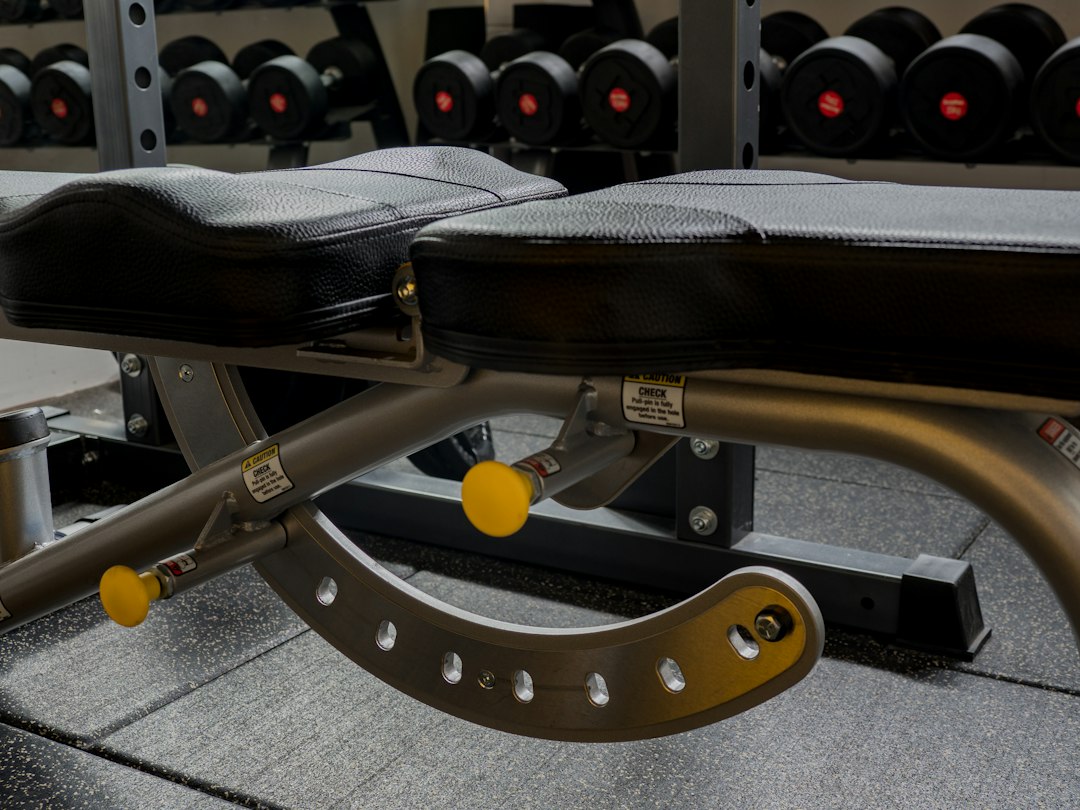
Anchoring. Get the manufacturer’s instruction in writing: required, recommended or optional, with fasteners and permitted floor types. “Bolt-down locations are defined” is not the same as “anchoring required.” Where anchoring applies, put who supplies and installs the anchors into the installation scope. Manufacturer instructions control assembly and installation.
Pads and belts. Ask for separate part numbers, prices and lead times for the hip belt, belt pad, back pad and any covers. Nautilus lists an optional belt pad (731-8789) for the Glute Drive. If a cover is sold only as a whole pad assembly, budget for that.
Warranty by component. Life Fitness’s US strength warranty, valid as of April 1, 2026, lists one table for all Life Fitness Strength and Hammer Strength equipment: frame 10 years; block, pulley, plate and rods 5 years; electrical 2 years; hardware, mechanical and components 1 year (components include grips, cables, transmission belt, bearings and springs); labor 1 year; upholstery and cosmetic 3 months. It states the coverage is not transferable. Core Health & Fitness’s warranty page says each product carries its own limited warranty and points to a warranty matrix, so ask for the line that applies to NP-L1131. Where upholstery coverage is short, pad wear is a parts budget line; grade pads using upholstery replacement tiers and stock first-wear parts from your own failure records.
Hip thrust machine quote check
The acceptable and needs-work columns are FEX analysis.
| Quote line | Acceptable answer | Needs work |
|---|---|---|
| Demand evidence | Your own counts of improvised set-ups by time block, and the program that will schedule the station | “Members keep asking for one” |
| Load and user rating | Maximum user weight and maximum added load for the model, in writing, with definitions | One figure, or “commercial rated” |
| Footprint in use | Published live area or a layout drawing with user path and plate storage | Product or crate dimensions only |
| Clear floor space | At least 30 by 48 inches (36 by 48 inches if enclosed on three sides) on an accessible route, shown on the plan, unless another machine of this type already has compliant space | Not shown |
| Anchoring | Written instruction: required, recommended or optional, with fasteners and floor type | “Bolt it down if you like” |
| Belt, pads and covers | Separate part numbers, prices and lead times | Whole assembly only, price on request |
| Warranty | Terms by component, including upholstery, labor and transfer | A headline frame term only |
| Standard | Test report naming the model and the standard with its year | “Meets ASTM” |
Triggers you set. Before the machine arrives, write down the date you will compare its use with your pre-purchase counts, and the usage or downtime level, from your own records, at which you would move, re-cover or remove it.
Red flags: crate dimensions offered as the footprint; a load figure with no definition; pad covers not sold separately; a warranty with a frame term and nothing else; anecdotal demand. On a studio floor, also compare the station with the bench-and-bar set-up it replaces and with any attachment that fits racks you already own.
What to do this week
- Count improvised hip thrust set-ups by time block over a period you define, and note what each ties up.
- Ask each supplier for maximum user weight, maximum added load, live area or a layout drawing, and the anchoring instruction for the exact model, in writing.
- Get part numbers, prices and lead times for the belt, pads and covers, and the warranty by component.
- Tape the in-use outline, including any required clear floor space, onto the floor.
- Record the purchase as a capital addition and set the date you will review its use.
Continue with FEX
- Weight bench specification: pads, frame and footprint
- Pendulum squat machines: fit, resistance and serviceability
- Comparing commercial equipment warranties
FEX editorial guidance: the quote check, triggers and red flags are FEX analysis. Specifications and warranty terms are as published by the manufacturers (accessed October 2026) and can change; confirm them against current documents for the model you buy. Standard scopes come from ASTM’s public pages; FEX has not reviewed the full texts. Manufacturer instructions control assembly, anchoring and service. Confirm accessibility obligations with your designer or accessibility consultant.
Source notes
- Core Health & Fitness: Nautilus Glute Drive (accessed October 8, 2026) — SKU, dimensions, weights, load capacity, optional plate storage rack and belt pad.
- Core Health & Fitness: Leverage Premier Glute Drive product sheet (accessed October 8, 2026) — Plate-load capacity, starting resistance, bolt-down locations.
- Core Health & Fitness: Warranty (accessed October 8, 2026) — Product-specific limited warranties and warranty matrix.
- Life Fitness: Insignia Series Glute Bridge (accessed October 8, 2026) — Dimensions, live area, weight, maximum user weight.
- Life Fitness: Strength warranties, valid as of April 1, 2026 (accessed October 8, 2026) — Component terms and non-transferability.
- ASTM International: F2216-17a(2025) Selectorized Strength Equipment (page last updated February 21, 2025; accessed October 8, 2026) — Scope, indoor setting, age, companion standards.
- ASTM International: F2276-23 Standard Specification for Fitness Equipment (page last updated September 12, 2023; accessed October 8, 2026) — General specification, indoor setting, age.
- U.S. Access Board: Guide to the ADA Accessibility Standards, Chapter 10 (accessed October 8, 2026) — Clear floor space and accessible route for exercise machines.
Editorial update, October 8, 2026: Removed the opening floor narrative, the unsupported “three numbers” framing and SFIA participation and sales figures that did not bear on the purchase decision. Added load, footprint and warranty figures for two named models as published by Nautilus and Life Fitness, and verified standard scopes against ASTM’s pages and the clear floor space requirements, including the 36 by 48 inch minimum for spaces enclosed on three sides, against the U.S. Access Board guide.