
For: Dealers writing equipment quotes, facility buyers and service managers responsible for asset records.
The decision: Whether a machine’s rated capacity fits the people and loads it will actually carry, and how to keep that rating on record for warranty, service and incident purposes.
60-second answer: Equipment user weight limits can describe the user alone or the user plus external load, and quotes often omit them. Take the figures from the model’s manual, not the brochure, for the exact configuration ordered. On strength equipment, require both user weight and total capacity in writing, with a sentence saying which is which. Compare them with your members and traffic, record them in the asset register at receiving, and refit labels when they are lost.
One number can hide two quantities
A rating printed on a bench frame may describe the person lying on it, or that person plus the loaded bar above them; on a heavy set the difference is large. Ratings appear on the frame label, in the owner’s manual and on spec sheets pasted into quotes, and they do not always agree. Treat the manual for the exact model and configuration as the authority, and the quote as the document most likely to leave the figure out.
A rating is an engineering statement about the machine, typically in its most demanding configuration. Manufacturers decide how it is tested and stated; ask how the quoted figure was derived and whether it holds at the steepest incline, the highest pin position and the full range of travel. Similar-looking machines can carry different ratings because welds, fasteners or pivots differ, so ratings cannot be inferred from how solid a machine feels.
What the standards provide
ASTM F2276-23, the Standard Specification for Fitness Equipment, covers equipment for users 13 and above and addresses stability, adjustment and locking means, load-transmitting components and intrinsic, extrinsic and endurance loading. It also covers documentation and labeling, including site-specific labels and user weight restrictions. ASTM F2216-17a, for selectorized strength equipment, is used with F2276 and requires stability unloaded and under intrinsic and extrinsic loading. Neither replaces the manufacturer’s own rating; they set expectations for how equipment is designed, tested and labeled.
Rating request list by machine family
| Machine family | Get in writing | Load the single figure can miss | Check at delivery |
|---|---|---|---|
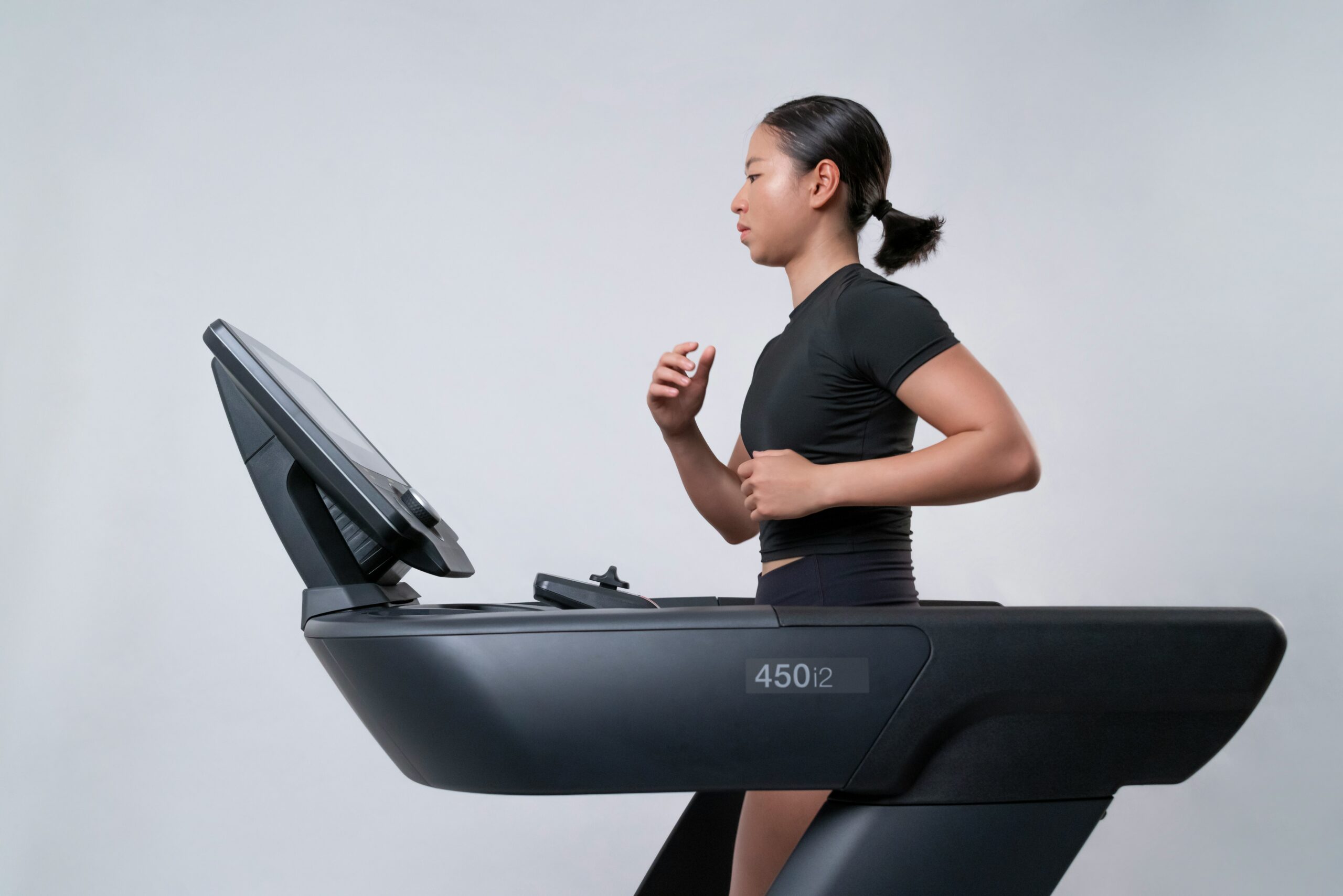
| Treadmill | Maximum user weight from the manual | Generally none; the user is the load | Label legible and matching the manual |
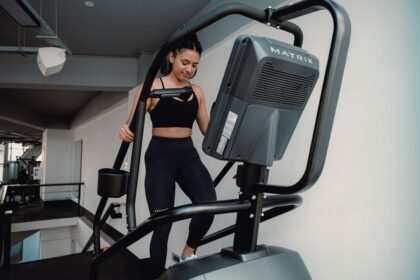
| Elliptical and stepmill | Maximum user weight | Dynamic loading at the pedals or steps | No pedal or step play |
| Group cycle | Maximum user weight | Standing efforts out of the saddle | Post markings and limits |
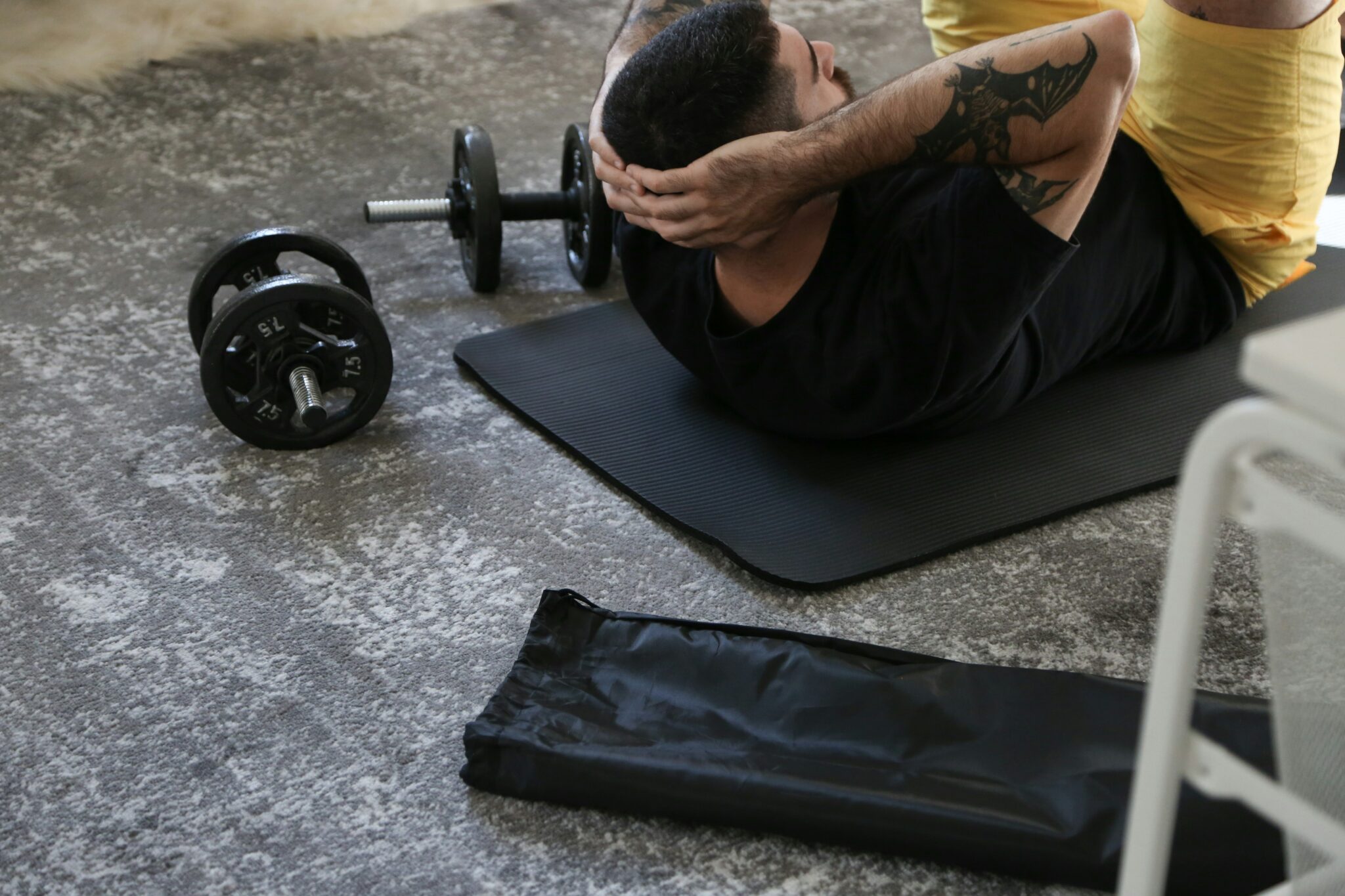
| Flat and adjustable bench | User weight and total capacity | Bar and plates | Rating applies at every configuration offered |
| Power rack and half rack | Upright capacity and safety capacity | Loads dropped onto the safeties | J-cup and safety part numbers match the spec |
| Selectorized machine | User weight and stack maximum | Assisted body weight on dip and pull stations | Range of travel matches the documentation |
| Plate-loaded machine | User weight and total loaded capacity | Plates on storage horns | Horns and counterweights fitted as specified |
| Pilates reformer | Maximum user weight | Standing and jumpboard work | Spring and rope specification as ordered |
Match the rating to the room
A rating describes a machine, not a population. A high-volume club with a broad membership runs a different duty cycle from an appointment-based studio, and components near their limit, such as hinges, carriages, pins and adjustment ladders, tend to wear first. Where your expected users sit close to a machine’s limit, consider specifying a model with more margin. This is a commissioning and buying choice for you to set, not an industry rule.
Ratings, warranty and records
Warranty and service terms may exclude damage from use above the rated capacity, which makes the rating a commercial boundary as well as a safety one. Check the wording, and see comparing commercial warranties. Labels come off with cleaning and pad changes. Record the ratings in the asset register at receiving, order replacement labels from the manufacturer when needed, and note the date; see warning label audits and maintenance records as evidence. A load rating and a certification mark are separate claims; one does not imply the other.
What to do this week
- Add user weight and total capacity fields to your quote template for strength equipment.
- Pull ratings from the manual for the exact models and configurations on open quotes.
- Record ratings for installed equipment in the asset register.
- Walk the floor for missing labels and order replacements.
Continue with FEX
FEX editorial guidance: the request list is FEX analysis. Ratings vary by model and configuration; use the manufacturer’s documentation.
Source notes
- ASTM F2276-23 — Loading, documentation, labeling and user weight restrictions.
- ASTM F2216-17a — Selectorized strength equipment; used with F2276.
Editorial update, October 8, 2026: Qualified general statements about how manufacturers derive ratings and how warranties treat overload, framed specifying more margin as a buyer’s choice, and updated the F2276 reference to the current edition.