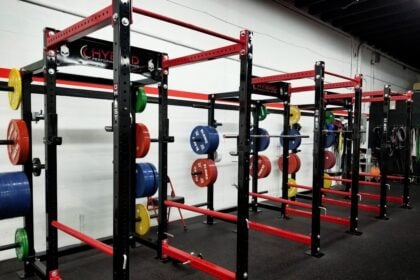


A half rack, a functional trainer and a rower crated for a twenty-foot booth weigh more than most exhibitors expect, and the moment those crates hit the hall floor a fitness equipment trade show stops being a marketing decision and becomes a logistics one. The machines have to arrive, get uncrated, get assembled, get powered and get taken apart again inside a fixed window. Everything else on the stand is signage.
- The booth is the cheapest line on the show invoice
- Before: the six weeks that decide the outcome
- Before: what ships, and what stays in the warehouse
- During: the stand is a qualifying station, not a showroom
- During: a fitness equipment trade show rewards a pre-booked calendar
- After: the four weeks that convert the list or lose it
- Choosing which fitness equipment trade show to work
- A working plan for the next show cycle
- Exhibitor questions on fitness equipment trade shows
- Is a small booth worth doing at a major show?
- Should we exhibit or just attend as a visitor?
- What happens to the machines after the show?
- The stand is a sales channel with a load-in time
Distributors and small manufacturers keep making the same evaluation error. They compare the price of booth space against the value of a lead list and conclude a fitness equipment trade show is expensive or cheap on that basis. Booth space is rarely the largest line, and the lead list is worth nothing until somebody works it in the weeks after the hall empties.
The booth is the cheapest line on the show invoice
Seven cost lines make up a fitness equipment trade show stand, and most of them are invoiced by parties the exhibitor never negotiates with. Knowing which lines have a control lever and which do not is the difference between a show budget and a show guess.
| Cost line | What it covers | Why it gets underestimated | Control lever |
|---|---|---|---|
| Booth space | Square footage and location | It is the number quoted first and remembered | Book early for position, not size |
| Outbound freight | Crated machines to the hall | Equipment is heavy and dense | Ship fewer, larger-impact units |
| Drayage | Moving crates from dock to stand and back | Billed by weight, outside your control | Reduce crate count and weight |
| Install and dismantle labor | Hall labor assembling and breaking down | Hourly, with minimums and overtime rules | Ship pre-assembled where possible |
| Stand build and graphics | Flooring, walls, lighting, print | Reprinted every year for small changes | Design for multi-year reuse |
| People on the floor | Travel, hotel, and days out of territory | Selling days lost are invisible in the budget | Send fewer, better-briefed staff |
| Follow-up labor | Four weeks of calls after the show | Nobody budgets time that happens later | Block the calendar before you go |
Before: the six weeks that decide the outcome
The work that determines the result of a fitness equipment trade show happens well before load-in. Meetings booked in advance turn a stand from a hoping station into a schedule. Exhibitors who arrive with an empty calendar are relying on aisle traffic, which is the least qualified traffic in the building.
Six weeks out, the list of target accounts should already exist and invitations should already be sent. Four weeks out, confirmations should be tracked by name and time slot. Two weeks out, the stand staff should know which appointments belong to them and what each account bought last.
Before: what ships, and what stays in the warehouse
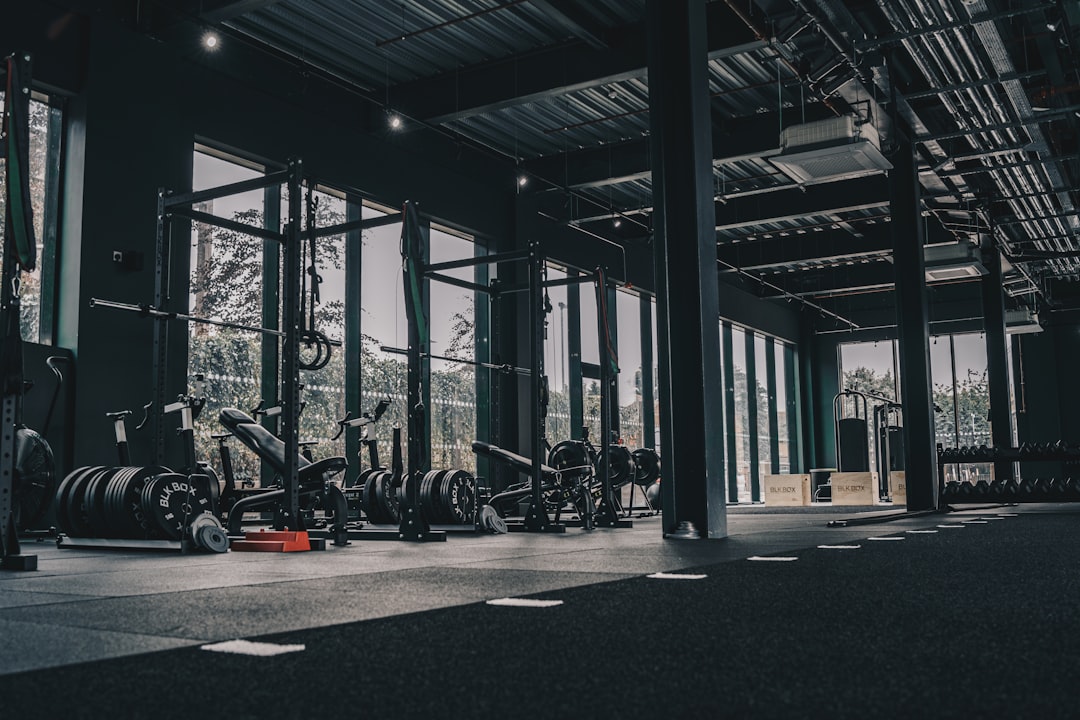
Exhibitors routinely ship too much to a fitness equipment trade show. Every additional crate adds freight and drayage in both directions and adds hall labor at each end, and a crowded stand is harder to hold a conversation in than a sparse one.
The rule that survives contact with a show floor is to bring what cannot be understood from a photograph. A new adjustment mechanism, a pivot action, a genuinely different footprint: those need hands on them. A second color of a known machine does not, and our look at where demo units go after the event matters here, because show units rarely return in sellable condition.
During: the stand is a qualifying station, not a showroom
The purpose of three days at a fitness equipment trade show is to sort. Most people walking an aisle are not buyers, and the cost of treating everyone as one is that real prospects wait or walk on. A short qualifying question at the edge of the stand does more for the return on the week than any amount of demonstration.
Capture discipline is the other half. A name with no context is not a lead, and a business card with no note attached becomes an anonymous row in a spreadsheet by Friday. Record the machine discussed, the timing and the next step, and record it while the conversation is still in the room.
During: a fitness equipment trade show rewards a pre-booked calendar
Scheduled meetings outperform aisle conversations by a wide margin because the attendee arrived intending to talk. This is also the argument for evaluating who attends rather than how many. HFA’s announcement of the 2026 HFA European Congress, held September 24 to 26 at London Stadium, states that nearly 75 percent of attendees hold executive-level positions and that delegates come from more than 35 countries.
That profile changes the math. A smaller room of decision-makers can be worth more than a larger one of operators who will take the brochure back to somebody else. It is the same logic behind the move toward rooms you cannot simply walk into.
After: the four weeks that convert the list or lose it
Leads decay fast, and fitness equipment trade show leads decay against a budget cycle rather than against interest. An operator who discussed a cardio refresh in September is building a capital request within weeks, and an exhibitor who calls in November is calling after the number was set.
The practical fix is to book follow-up time before departure. Two hours a day for the first two weeks, worked against a list sorted by timing rather than by enthusiasm, converts more than a single frantic week. Hand the accounts that belong to an agency straight to it, on the terms set out in the agreement that governs the territory.
Choosing which fitness equipment trade show to work
Not every show deserves a stand, and some deserve attendance without one. Walking a show as a visitor costs travel and two days and tells you exactly who exhibits, who attends and whether the conversations are with buyers or with other suppliers. Published schedules, such as the HFA show program, show how much of the week is education and networking rather than expo floor time.
The other filter is channel fit. A show full of independent operators is a poor fit for a brand selling exclusively through distribution, and a distributor-heavy room is a poor fit for a brand going direct, which is the tension described in our piece on the channel a new brand chooses to skip.
A working plan for the next show cycle
- Set the objective in units, not impressions. Decide what a successful week looks like in booked meetings and quoted machines before booking the space.
- Build the target list six weeks out. Name the accounts, send the invitations and track confirmations by time slot rather than by hope.
- Cut the shipping list to what needs hands on it. Every crate carries freight both ways plus drayage and labor at both ends.
- Brief the stand team on qualifying, not on features. Agree the opening question, the disqualifying answer and the capture format before load-in.
- Block follow-up time in the calendar before you travel. Two hours a day for the first two weeks after the show, sorted by budget timing.
Exhibitor questions on fitness equipment trade shows
Is a small booth worth doing at a major show?
Often yes, provided the objective is meetings rather than presence. A compact stand with two machines and a scheduled calendar can outperform a large one staffed by people waiting for traffic. The cost lines that scale with size are freight, drayage and labor, so a smaller footprint improves the ratio if the calendar is full.
Should we exhibit or just attend as a visitor?
Attend first when the show is new to you. One visit tells you the attendee profile, the exhibitor mix and whether your buyers are in the building, which no media kit will tell you honestly. Exhibiting the following year with that knowledge is cheaper than learning it from a stand.
What happens to the machines after the show?
Plan for them before they ship. Show units accumulate handling marks, missing hardware and console wear, so they either become demo fleet with a documented condition report or they get sold as used with the history disclosed. Treating them as new stock on return is how margin quietly disappears.
The stand is a sales channel with a load-in time
A fitness equipment trade show is not an advertisement. It is a short, expensive, high-density selling period bracketed by freight at one end and follow-up labor at the other, and the two brackets are where most of the money and nearly all of the result live. Exhibitors who budget both, and who measure the week in booked machines rather than badge scans, tend to come back. The rest conclude shows do not work.