
The cost of equipment container shipping is not decided on the water. It is decided at six handoffs on land, each between parties who have never spoken to each other and none of whom answer to the importer.
- The factory controls the load plan and the paperwork that follows it
- The forwarder controls the booking and the language of the contract
- The carrier and terminal control free time
- Where the FMC rule gives the importer real leverage
- The drayage carrier controls the chassis and the appointment
- The accessorial charges that make up equipment container shipping costs
- The customs broker controls classification and clearance timing
- The warehouse controls detention and the damage record
- Running an import without absorbing other people’s delays
- Questions importers ask about equipment container shipping
- Is full container load always cheaper than less than container load
- Can I dispute a demurrage invoice that names the wrong party
- How does ocean freight interact with domestic freight class
- Should a service business import its own aftermarket parts
- Owning the handoffs
A distributor bringing in racks, benches or aftermarket parts sees an ocean rate and assumes that is the price. The accessorial charges that arrive afterward are frequently larger, and they land on whoever happens to be named on the invoice.
What follows walks equipment container shipping role by role. Each role controls one variable, and knowing which is which is the difference between a chargeable event and an unexplained bill.
The factory controls the load plan and the paperwork that follows it
Everything downstream inherits what the factory does at packing. Carton dimensions, pallet configuration, gross and net weights, and the description on the commercial invoice all originate here.
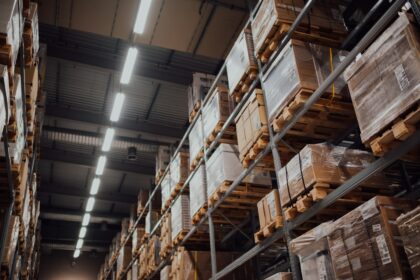
Fitness equipment is dense and awkwardly shaped, which makes cube utilization the first cost lever in equipment container shipping. A rack loaded flat where it could have been nested is a container’s worth of air being shipped at full rate.
Ask for a load plan and a photograph of the stuffed container before the doors close. Both cost nothing, and both become the primary evidence when something arrives damaged.
The forwarder controls the booking and the language of the contract
A freight forwarder or non-vessel operating common carrier arranges the movement and issues the house bill of lading. That document names the shipper, the consignee and the notify party, and in equipment container shipping it decides who has standing to argue about anything later.
Importers routinely let the forwarder name itself or a third party as consignee for convenience. The convenience is real and the cost is that the importer is no longer the party the carrier must deal with.

That matters more since the Federal Maritime Commission’s billing rule. Under the final rule on detention and demurrage billing practices, invoices may only be issued to the person for whose account the billing party provided ocean transportation or storage, or to the consignee, defined as the ultimate recipient of the cargo.
The carrier and terminal control free time
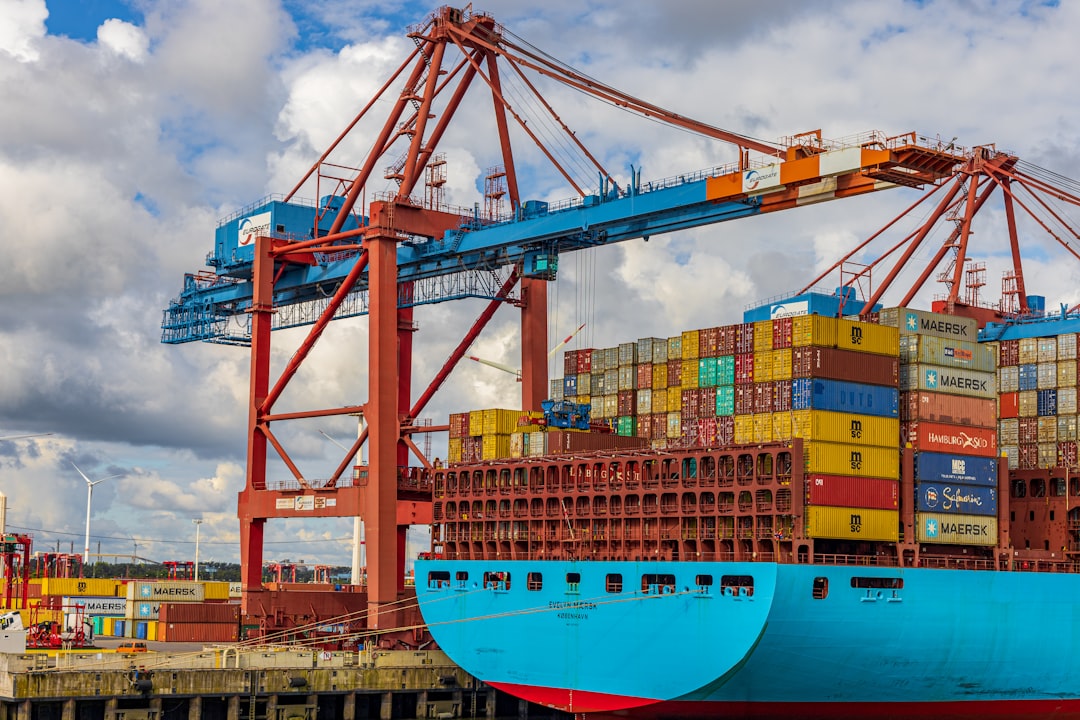
Free time is the number of days a container may sit at the terminal before demurrage accrues. It is negotiable, it varies by carrier and port, and buyers of equipment container shipping almost never check it before booking.
The clock does not start when the vessel docks. It starts when the container is available for pickup, which can be days later and is announced by a terminal system the importer does not monitor.
Equipment container shipping is particularly exposed here because heavy, low-value-per-cube freight often sits while higher-priority cargo is pulled first.
Where the FMC rule gives the importer real leverage
The billing rule changed the dispute posture on equipment container shipping materially, and most importers have not adjusted their process to use it.
Billed parties have at least 30 calendar days to make fee mitigation, refund or waiver requests, and where a timely request is filed the billing party must attempt to resolve the matter within 30 calendar days unless both sides agree to longer.
The rule also has teeth on invoice content. The Commission has confirmed that invoices issued from May 28, 2024 must be fully compliant with the final rule, and that entities issuing non-compliant invoices or billing the wrong parties are subject to enforcement action.
The drayage carrier controls the chassis and the appointment
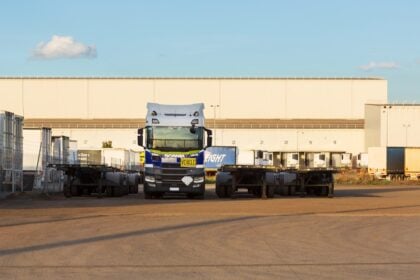
Drayage is the short truck move from terminal to warehouse, and it is where two scarce resources meet: an appointment slot and a chassis.
Neither is guaranteed by the ocean booking. A container can be available, the duty paid and the warehouse ready, and the box still sits because no chassis is free in that pool on that day.
Book drayage at the time of the ocean booking rather than on arrival, because equipment container shipping schedules rarely absorb a missed slot. The premium for an advance booking is consistently smaller than the demurrage it avoids.
The accessorial charges that make up equipment container shipping costs
The table below separates the charges by who triggers them and who can prevent them, which is the only framing that makes them actionable.
| Charge | Triggered by | Who can prevent it | Preventive action |
|---|---|---|---|
| Demurrage | Container sitting at terminal past free time | Importer and broker | Clear customs before arrival, book drayage early |
| Detention | Container held at your yard past free days | Warehouse | Unload and return same day, stage labor in advance |
| Per diem on chassis | Chassis held beyond the allowance | Drayage carrier | Confirm chassis source and return terms in the rate |
| Terminal appointment miss | Truck fails to arrive in slot | Drayage carrier | Same-day confirmation, backup slot |
| Congestion surcharge | Port conditions | Nobody | Route planning, alternate ports of entry |
| Exam and inspection fees | Customs selection | Broker | Accurate classification and clean documentation |
| Pier pass and gate fees | Terminal policy | Nobody | Budget as a known line, not a surprise |
| Redelivery and reconsignment | Wrong or unready destination | Importer | Confirm the dock can receive before the box moves |
The customs broker controls classification and clearance timing
A broker files the entry and pays duty, and the timing of that filing is a direct input to demurrage exposure. Documents that arrive with the vessel rather than ahead of it compress the whole window.
Classification matters separately. Fitness equipment spans several tariff headings, and a misclassification is both a duty exposure and a trigger for the exam fees in the table above.
Send commercial invoices, packing lists and certificates to the broker at sailing, not at arrival. That single habit removes more demurrage than any rate negotiation.
The warehouse controls detention and the damage record
Once the container reaches the dock, equipment container shipping switches its meter from demurrage to detention, and it now runs on the receiving team’s speed.
A forty-foot container of strength equipment is a serious unload. Staging labor, forklift availability and a clear dock apron all need to be arranged before the truck is dispatched, not when it arrives, which is the same discipline set out in our piece on choosing a first warehouse around its dock door.
Receiving is also the last moment to record damage. Our guidance on what a signature at the dock actually concedes applies to ocean freight with even less margin for error.
Running an import without absorbing other people’s delays
- Name yourself as consignee. Unless there is a specific commercial reason not to, the importer should be the ultimate recipient on the bill of lading, because that is who may be billed and therefore who may dispute.
- Confirm free time in writing at booking. Days at destination terminal and days for the container at your yard, both stated, both by carrier rather than assumed.
- Send documents to the broker at sailing. Commercial invoice, packing list, certificates. Clearance should be complete before the box is available, not started when it is.
- Book drayage and the unload crew together. One calendar entry covering the appointment slot, the chassis and the labor, so that no leg waits on another.
- Diarize the dispute window. Log every accessorial invoice on arrival and calendar the 30-day request deadline, because an unchallenged charge is a paid charge.
Questions importers ask about equipment container shipping
Is full container load always cheaper than less than container load
Not below a certain volume. Consolidated shipments avoid the fixed accessorials on a full box, but they add handling at the deconsolidation warehouse, which is where damage to partially assembled equipment usually occurs. The crossover point is usually reached faster than importers expect.
Can I dispute a demurrage invoice that names the wrong party
The FMC rule restricts who may be billed to the account holder or the consignee. An invoice issued to a party outside that definition is a compliance question, and the Commission has said non-compliant billing is subject to enforcement. Raise it in writing and within the stated window.
How does ocean freight interact with domestic freight class
They are separate systems with separate logic. Once the goods leave your warehouse on a domestic leg, density-based classification takes over, which we set out in our piece on how the density scale reprices equipment shipments.
Should a service business import its own aftermarket parts
Only at volume, and only with storage. The economics work for shops with a concentrated route and predictable consumption, which is the stocking logic described in our look at building an independent service operation.
Owning the handoffs
Nobody in this chain is trying to overcharge the importer. Each party optimizes its own leg, and the costs accumulate in the seams between them. An importer who names itself consignee, clears customs early, books the truck with the box and diaries every invoice has removed most of the exposure without negotiating a single rate. That is what competent equipment container shipping looks like from the inside.