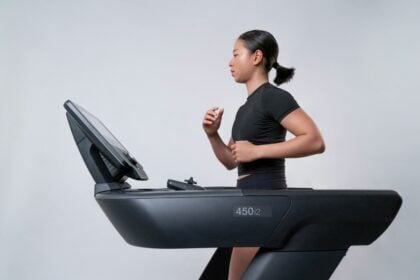

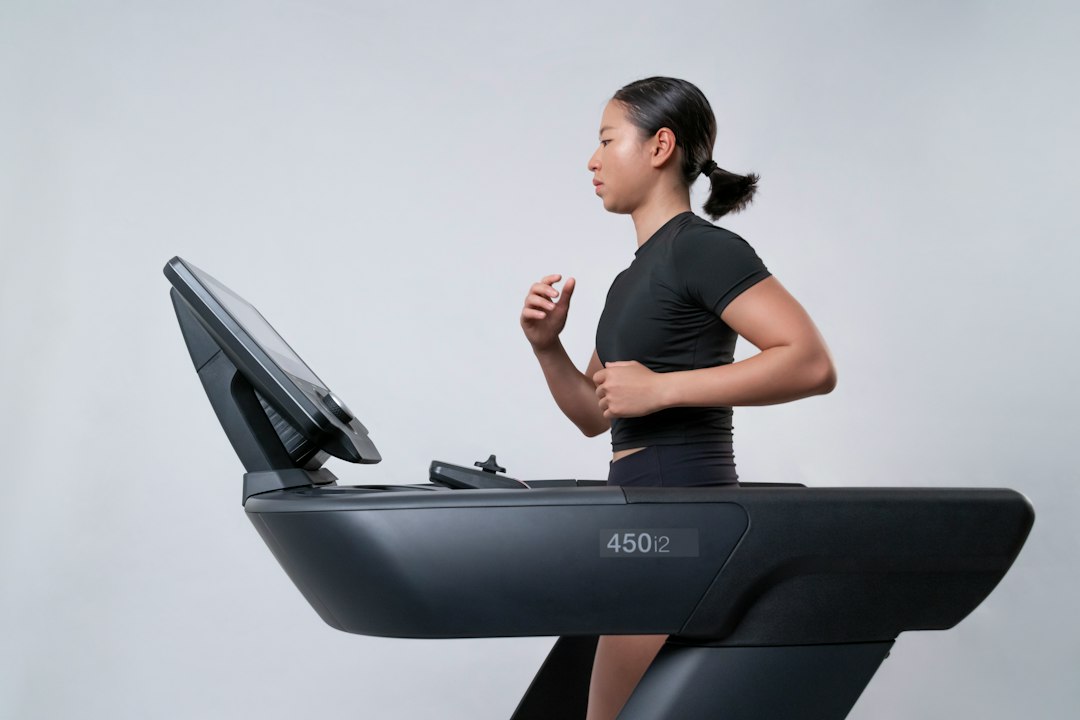
Consumer brand commercial equipment now arrives on freight with a screen already logged in to somebody’s living room. The machine is a treadmill with a rotating touchscreen bolted to the mast, and the member stepping onto it has run the same class at home the night before.
- The machine arrives with an account attached
- Question one: who holds the member relationship
- Question two: what the screen bills after year one
- Consumer brand commercial equipment and the service network behind it
- Question three: how the unit resells
- A scorecard for consumer brand commercial equipment quotes
- Question four: what happens when the app changes
- Where the category is heading
- Five checks before the purchase order clears
- Questions operators are asking
- Is consumer brand commercial equipment durable enough for a club floor
- Do members actually want the brand they use at home
- What happens to the machines if we cancel the subscription
- Should a distributor add a consumer-led line
- The floor keeps the verdict
Peloton opened orders for a Commercial Bike and Commercial Tread, Athletech News reported on September 22, 2026, with shipping expected in North America by the end of the year. The direction was set six months earlier. In its March 16, 2026 announcement, the company said chief executive Peter Stern framed the move as Peloton going to the gym, pairing its digital experience with Precor’s commercial engineering. For an owner, none of that is the decision.
The machine arrives with an account attached
A selectorized station is a closed transaction. You buy it, you service it, you sell it at the end of its life. A console-led cardio unit is not.
It arrives carrying a software relationship with its own owner, its own renewal date and its own view of who the member belongs to. Athletech News reported that the new commercial machines offer three sign-in routes: an existing personal account, a free facility account, or a guest mode. Each of those routes a different amount of member activity somewhere other than your own system.
Question one: who holds the member relationship
Ask the quoting rep to walk through, step by step, what a member sees on first use. If the answer is that the member signs in with the account they already pay for, the brand has a direct line to that person inside your building.
That is not automatically bad. It shortens onboarding and it raises the perceived value of a membership that includes the machine. It is a strategic position, though, and it belongs in the decision rather than in the surprise column eighteen months later. The same question sits underneath every argument about who owns connected equipment data.
Question two: what the screen bills after year one
Hardware is quoted once. Software is quoted forever, and with consumer brand commercial equipment the two numbers rarely appear on the same page.
Establish the per-unit subscription rate, whether it is tiered by facility size, what the machine still does when the subscription lapses, and whether the contract permits mid-term price changes. A cardio row that becomes a monthly line item changes the shape of a capital plan rather than the shape of one purchase order. Our reporting on console fees that keep billing after the hardware is paid for covers the clause language worth requesting.
Consumer brand commercial equipment and the service network behind it
Consumer brand commercial equipment inherits a support model built around a call center. Commercial support is a technician with a van, a parts stock and a response-time commitment. They are different businesses, and a brand crossing from one to the other is building the second while selling against the reputation of the first.
Ask for the technician roster by region, the parts depot location, and the current response time for a down unit. Ask who actually performs the work: the brand, a national third party, or the dealer you already use. Consumer brand commercial equipment is worth precisely what the answer to that last question is worth.
Question three: how the unit resells
Every piece of consumer brand commercial equipment has a second owner. Trade-in desks, liquidators and secondary dealers price a used treadmill on frame, motor, deck hours and console function.
A console that will not activate for a second owner is a console that prices at scrap. Ask directly whether the software license transfers on sale, whether a facility account can be reassigned, and whether the brand has ever done it. Consumer brand commercial equipment with a non-transferable license carries a residual value closer to zero than the spreadsheet assumes.
A scorecard for consumer brand commercial equipment quotes
Run the quote through eight columns before the order goes in. None of these require a lawyer, and all of them are answerable in a single call with a rep who has done this before.
| What to confirm | Ask for | Green | Red |
|---|---|---|---|
| Member sign-in path | A live walkthrough on a demo unit | Facility account with guest mode available | Personal account required to start |
| Console subscription | Per-unit rate card and renewal terms | Fixed rate across the service life | Uplift at the vendor’s discretion |
| Function without software | Written list of resident functions | Manual workout runs unconnected | Unit is inert without an active plan |
| Service coverage | Technician roster and depot by region | Named local tech, stocked depot | Call center triage, parts from one hub |
| Response commitment | Contract hours to first on-site visit | Business-day response in the order | Best-efforts language only |
| Member data | Written description of what is retained | Facility receives usage by asset | Facility receives nothing |
| Resale path | Evidence of a prior license transfer | License moves to a second owner | License dies with the first account |
| Screen warranty | Separate term for display and frame | Both terms equal | Display term shorter than the frame |
Question four: what happens when the app changes
Vendors behind consumer brand commercial equipment reorganize their content, their tiers and their interface on a schedule that has nothing to do with your floor. A class format retires, a tier splits, a home screen moves.
On a home machine that is an irritation. On twenty club machines it is a week of front-desk questions and a run of member complaints about equipment that did not physically change. Build a notification clause: written advance notice of interface changes, so staff hear it before members do.
Where the category is heading
The commercial ambition is not a side project. Peloton’s March announcement described a Commercial Business Unit formed through the Precor integration, and reported ten percent year-over-year revenue growth for that unit in its fiscal second quarter. Athletech News reported on September 22, 2026 that the machines are now orderable, following showings at the HFA Show and FIBO earlier in the year.
Read that as a signal about the shelf rather than about one brand. Consumer brand commercial equipment is going to be quoted against your incumbent lines more often, which means your incumbent will start answering questions it has not had to answer before. That is the useful part for a buyer, whichever way the order goes. The pressure is visible in the category-level wholesale numbers as well.
Five checks before the purchase order clears
Order of operations matters here, because four of these get harder once the freight is booked.
- Run the first-use walkthrough yourself. Not a demo of the workout, a demo of a stranger walking up cold and starting to move. Time it.
- Price the software across the hardware’s full life. Seven years of subscription against seven years of frame, in one cell, before anyone compares sticker prices.
- Get the technician named. A region, a company and a phone number. Call it once before you sign and note how long it rings.
- Separate the screen warranty from the frame warranty. If the display carries a shorter term, negotiate the gap now or budget the replacement.
- Ask for one completed license transfer. A brand that has never moved a license to a second owner has not yet proven the residual value it is implying.
Questions operators are asking
Is consumer brand commercial equipment durable enough for a club floor
Durability is a spec question, not a brand question. Ask for the duty rating, the frame warranty term and the motor continuous-duty figure, then compare them line for line against your incumbent. A brand’s consumer history tells you nothing either way; the published commercial specification and the warranty term tell you most of it.
Do members actually want the brand they use at home
Some do, strongly, and those members are the ones who will find the machine on day one. The harder question is the rest of your floor, who will see a screen asking them to sign in. Test with a single unit in a visible position and count sessions per day against the machine it replaced.
What happens to the machines if we cancel the subscription
That answer belongs in writing before the order, because it varies by brand and sometimes by contract. Confirm which functions are resident in the hardware, whether the machine runs a manual session unconnected, and whether the display reverts to a basic readout or goes dark. A machine that stops working is not equipment; it is a rental.
Should a distributor add a consumer-led line
Only with the service economics worked through first. Consumer brand commercial equipment sells itself on member recognition, which shortens the sales cycle and lengthens the support one. Model parts availability, technician training requirements and warranty labor rates before the line card changes, the same way you would for any console-led strength platform.
The floor keeps the verdict
Eighteen months after install, nobody on your team will remember the launch coverage. They will remember whether the parts arrived, whether the screens still boot, and whether members walk to those machines or past them. Consumer brand commercial equipment will be judged on exactly the same evidence as every other line on the floor, which is the reassuring part. Ask the old questions, write the answers into the order, and let the machines argue for themselves.